

 °C
°C Sorted by most relevant, search for "Environment"
-
 Travel & Leisure
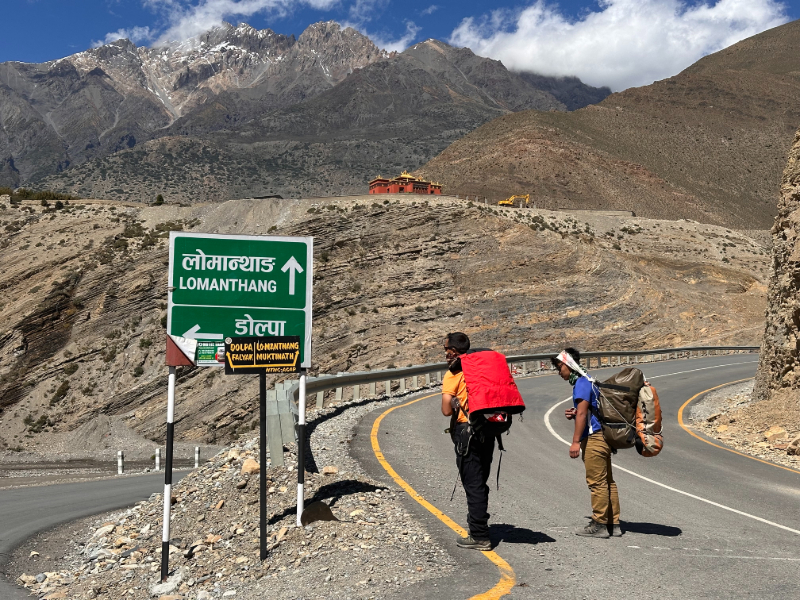
Nepal restores calm, tourism activities resume nationwide
2025-09-14T11:59Nepal has returned to normal life after days of political unrest and nationwide curfews, with transportation, tourism services, and daily business fully operational once again.
-
 T3 Special
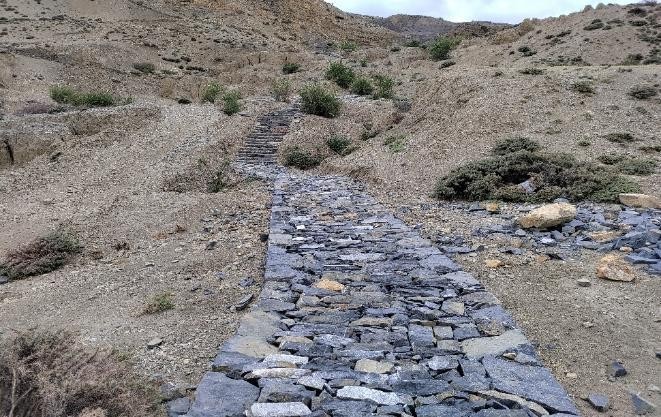
Planning a trek in Nepal’s restricted areas? Here’s the latest permit and fee guide
2025-09-17T11:33The restricted areas of Nepal —famous for their pristine landscapes, rich culture, and limited access—require special permits and, in some cases, higher fees that vary by season and length of stay.
-
 Global
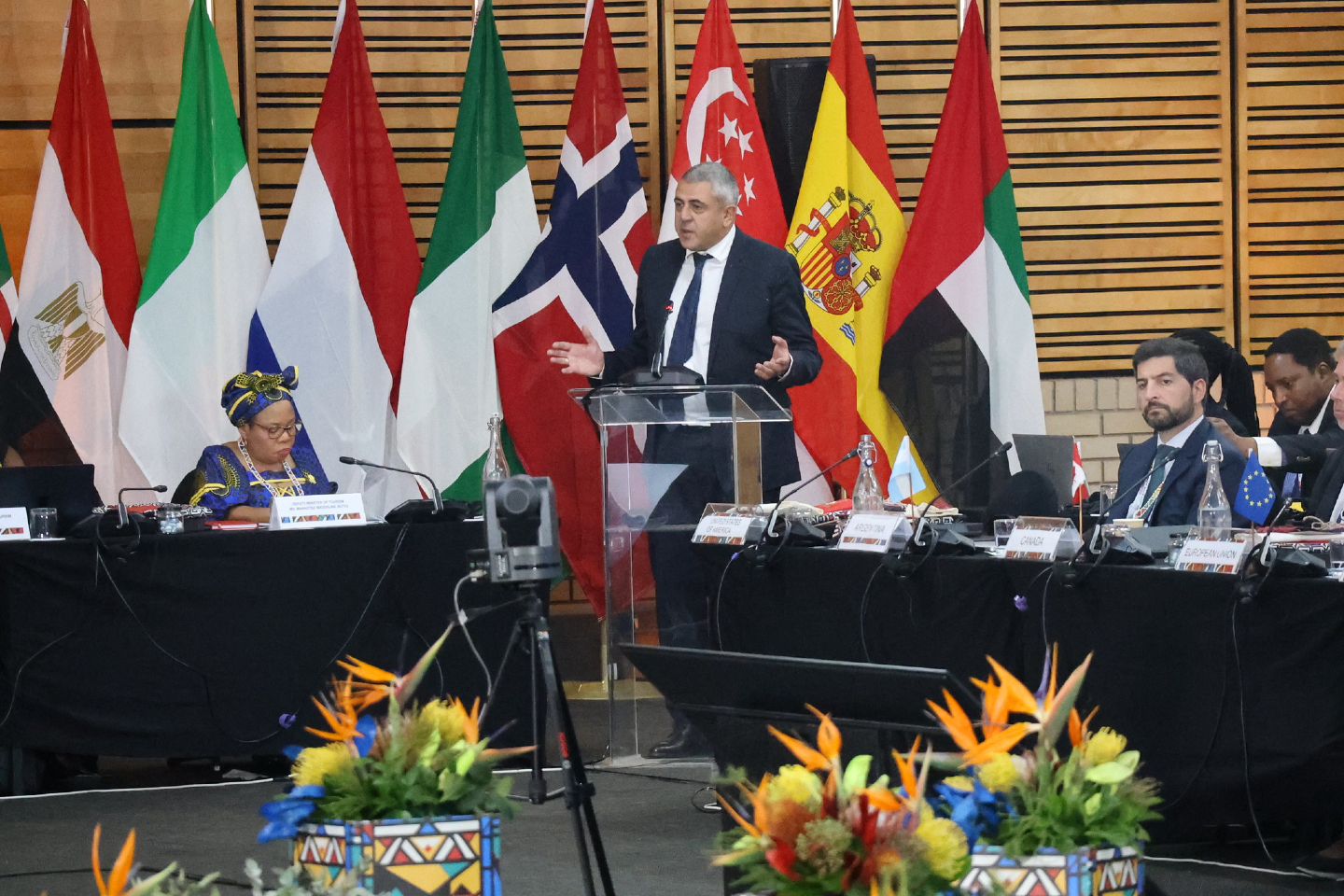
UN Tourism urges G20 to harness tourism for inclusion and sustainable growth
2025-09-17T19:18Tourism can be a powerful driver of equality, innovation, and economic development if countries work together, UN Tourism Secretary-General Zurab Pololikashvili told G20 Tourism Ministers during their recent meeting under South Africa’s presidency.
-
 Travel & Leisure
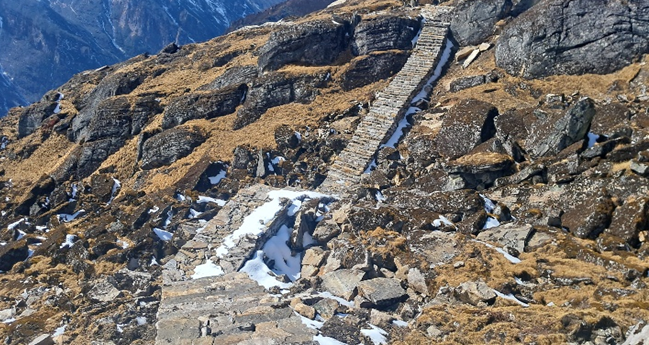
Nepal’s timeless allure persists amid recovery efforts
2025-09-19T11:55For travelers dreaming of Himalayan peaks, tranquil lakes, and vibrant culture, Nepal remains very much open for exploration.
-
 Travel & Leisure
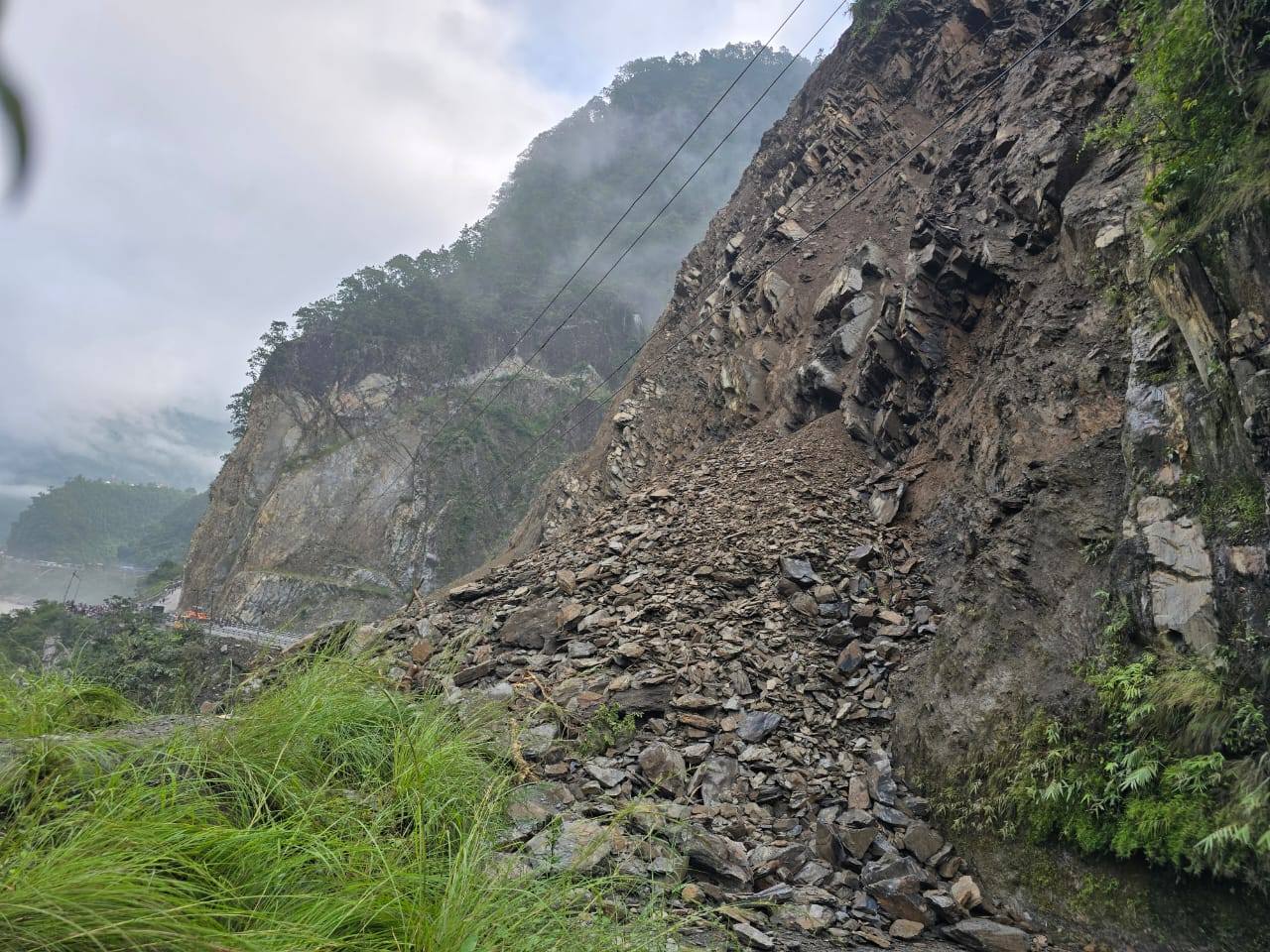
Heavy rains trigger landslides, disrupting key highways and holiday travel
2025-09-20T17:03Continuous monsoon rains have unleashed landslides across Nepal, blocking major highways and stranding travelers just as the autumn trekking season and Dashain festival travel surge begin.
-
 Travel & Leisure
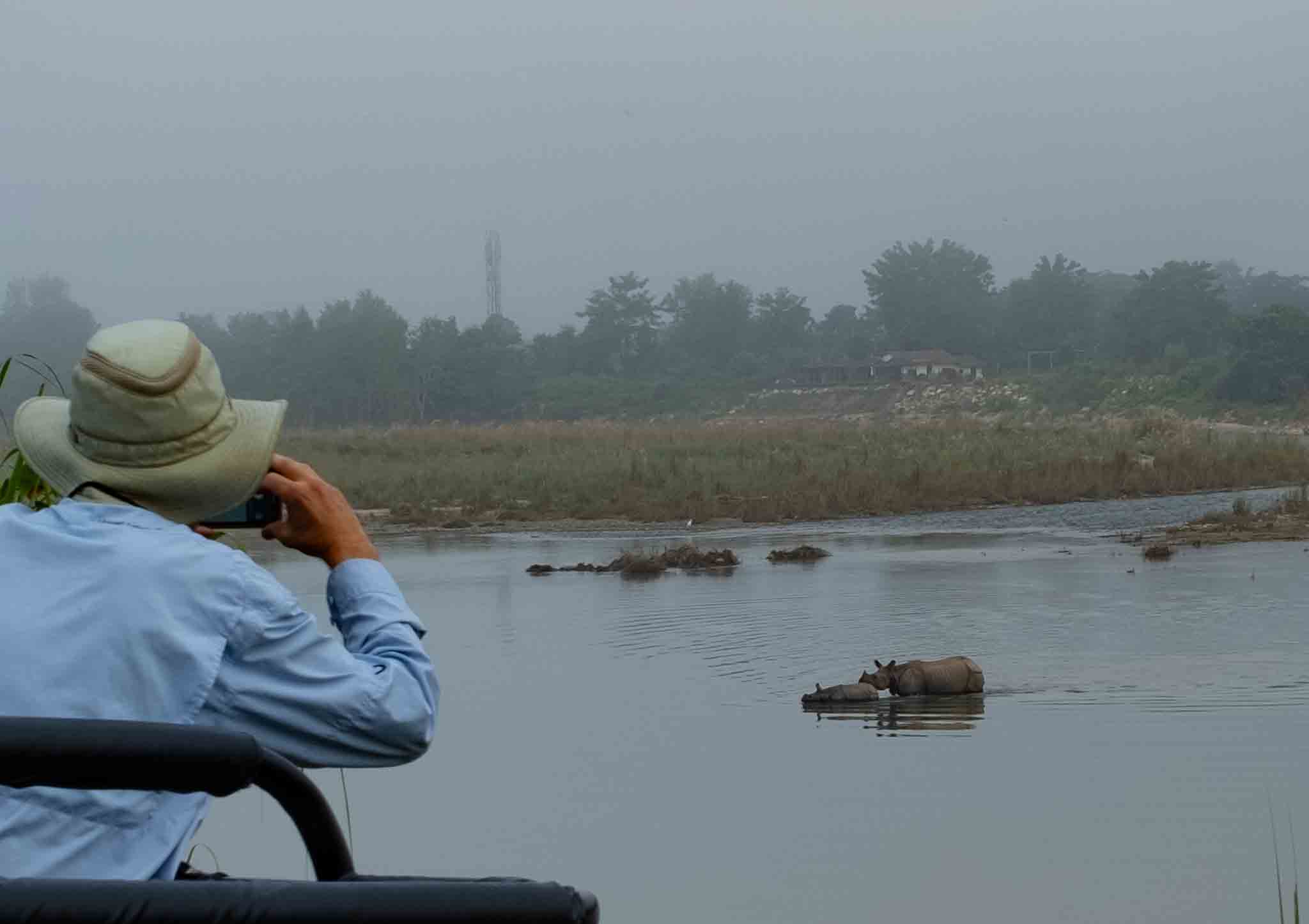
By Foot in Chitwan - Exploring Nepal’s first national park
2025-09-21T13:33The leech-proof socks on my feet had captured all my attention, which wasn’t a good thing while trekking in the jungle.
-
 Climbing
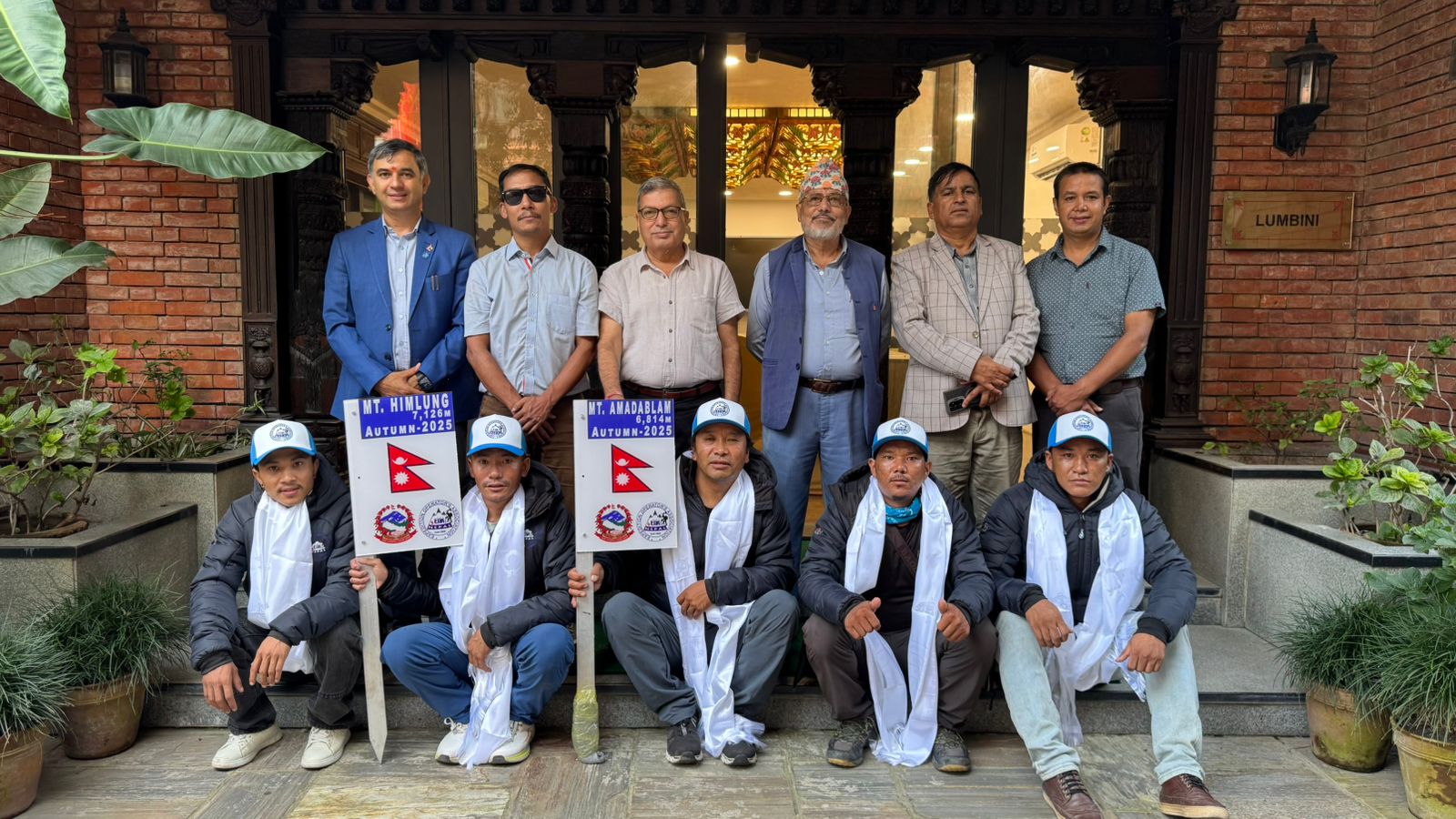
Expedition Operators Association Nepal flags off route-fixing teams for Ama Dablam and Himlung Himal
2025-09-21T22:05The Expedition Operators Association Nepal (EOA) has bid farewell to two specialized teams tasked with fixing ropes and opening routes on Ama Dablam (6,812 m) and Himlung Himal (7,126 m) for the 2025 autumn climbing season.
-
 Travel & Leisure
NTNC announces Dashain holiday schedule for Tourist Permit Counter
2025-09-22T11:30The National Trust for Nature Conservation (NTNC) has published special opening hours for its Tourist Entry Permit Counter in Bhrikutimandap, Kathmandu, which issues permits for the Annapurna, Manaslu, and Gaurishankar Conservation Areas during the upcoming Dashain festival.
-
 Climbing
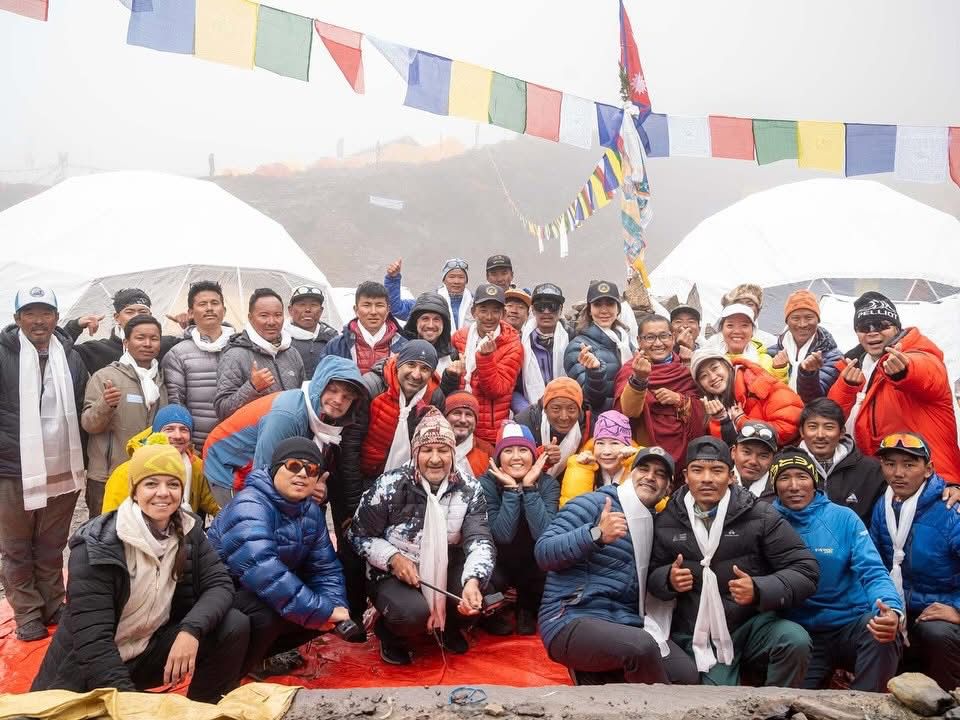
34 SST climbers scale Mount Manaslu
2025-09-22T13:05The world’s eighth highest mountain today recorded more summits as world climbers continued their summit push on Mt Manaslu.
-
 Climbing
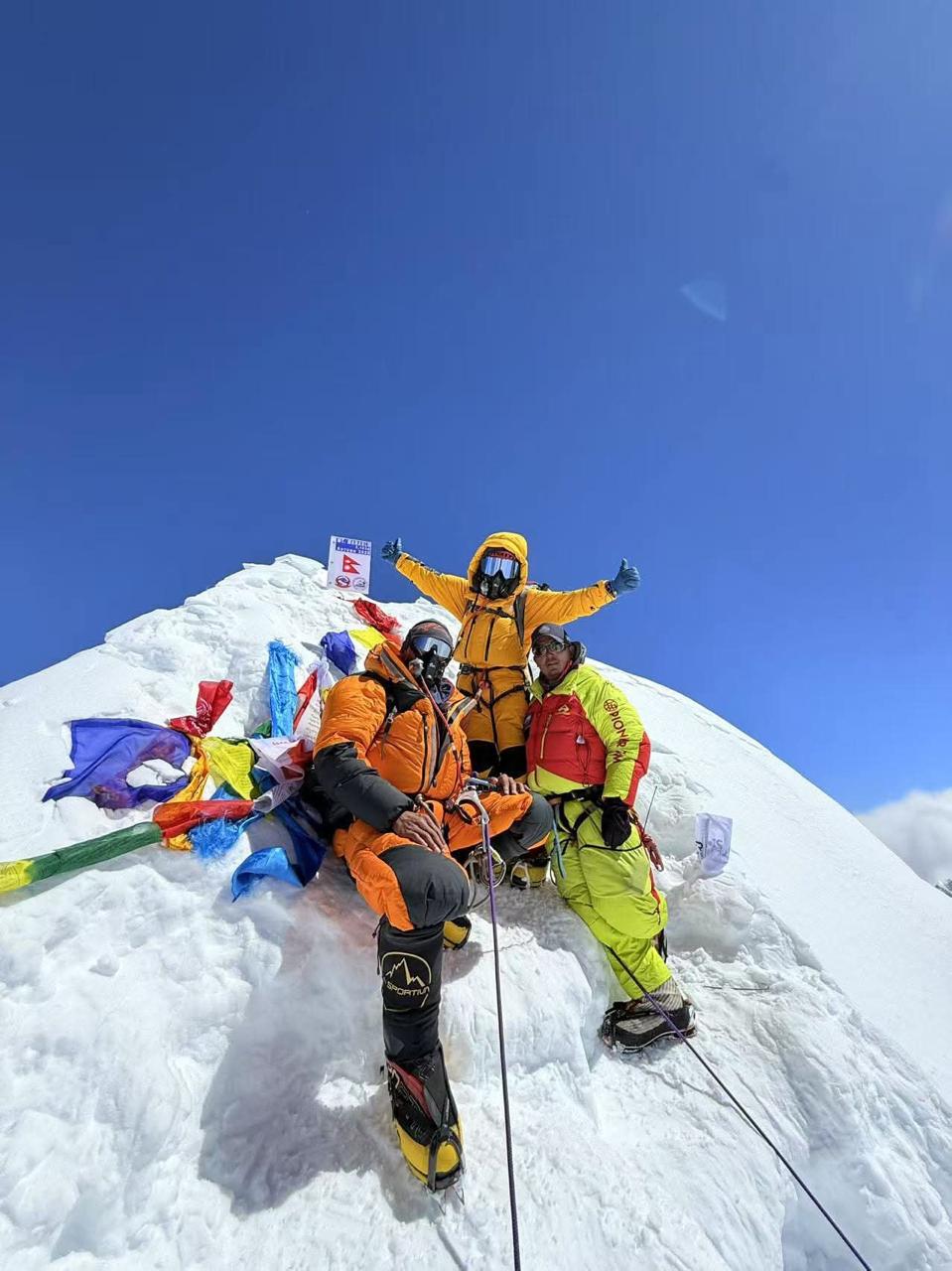
Hong Kong mountaineer Ada races to Manaslu summit in record time
2025-09-25T11:23The dramatic landscapes of Nepal’s Manaslu region witnessed another remarkable feat this week as Hong Kong mountaineer Tsang Yin Hung—widely known as Ada—scaled the 8,163-metre peak in just 18 hours and 53 minutes.