

 °C
°C Beyond the Summits: Legendary Sherpa climbers bring their stories to Colorado
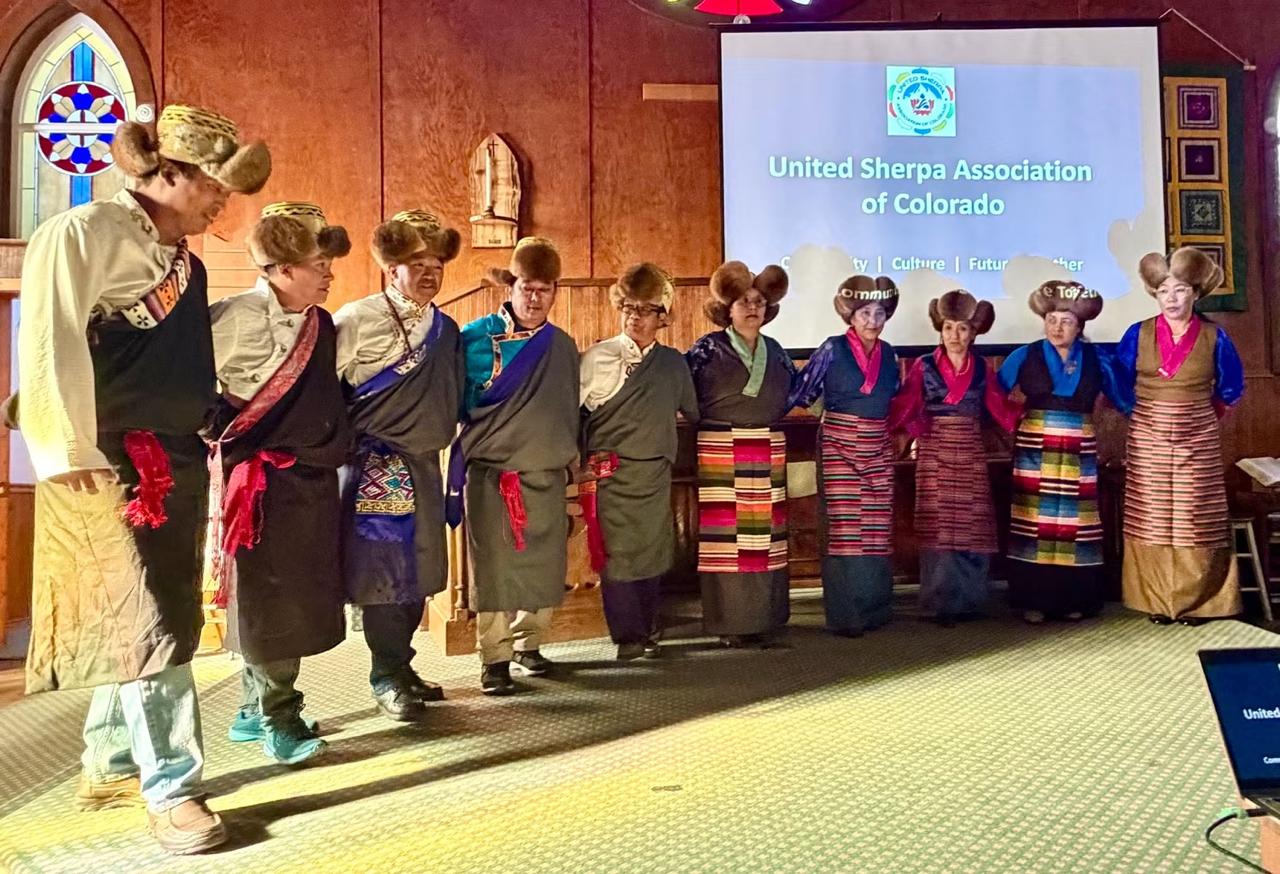
A new campaign from the United Sherpa Association Colorado aims to fund a community center—and to let Sherpa mountaineers tell their own stories
GOLDEN: The stories from the roof of the world are not only about summits. They are about loss, rescue, survival, climate change, and a community determined to be heard.
On Sept. 26, more than 150 people gathered in Crested Butte, Colorado, for the first event of “Beyond the Summits: Sherpa Stories,” a campaign launched by the United Sherpa Association Colorado (USAC) to raise funds for a Sherpa Community Centre and promote Nepal’s adventure tourism in the United States.
The event, organized at the initiative of USAC and its president, Lhakpa Sherpa, was designed to share the real stories of Nepal’s Himalayas with a global audience through the voices of renowned Sherpa mountaineers, said USAC President Lhakpa Sherpa.
The program opened with a personal and heart-touching account from Pasang Dawa Sherpa, a celebrated climber who described both the challenge and the excitement of life as a mountain guide. The 37-year-old said his mountaineering journey began at 22, when he worked as a climbing assistant in the Everest region. From guiding foreign clients on Mount Everest to rescuing lives from the death zone, he said the mountains had become a second home.
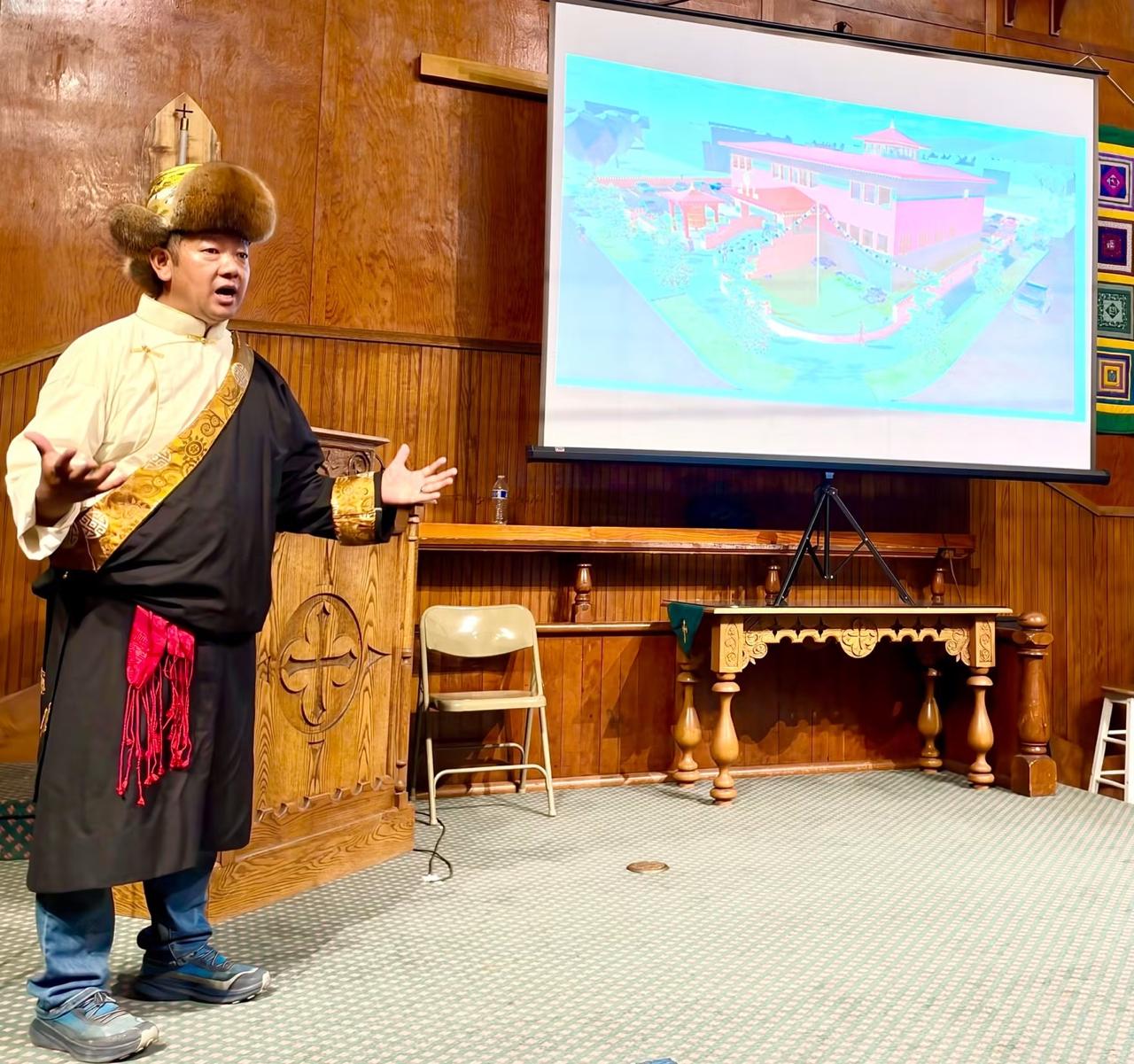
“Sherpa guides make everything possible for foreign clients, putting their lives at risk,” Pasang Dawa said.
Over time, he established himself as a recognizable figure in mountaineering. He was part of a rare autumn Himalayan climbing team—an attempt known for immense difficulty and risk, and one that had not been tried since 2000. According to Pasang Dawa, his team successfully summited Everest on Oct. 15, 2010. He also described the challenges of climbing peaks from Himlung Himal to Mount Baker.
In 2013, Pasang Dawa and his team faced a life-threatening situation while attempting to summit Everest from the Tibetan side. After reaching the summit, a 73-year-old Japanese climber ran out of oxygen and became critically ill. The team selflessly shared their oxygen masks, but the climber died at 8,500 meters, he recounted.
Then, in 2019, just two days after successfully summiting Everest, Pasang Dawa set out to retrieve the body of an Indian female climber from an altitude of 8,700 meters and brought it to Kathmandu.
“Sherpa contributions aren’t confined solely to mountaineering achievements; we also fulfill our humanitarian responsibilities by acting as rescuers in the mountains,” he said.
There was pin-drop silence in the hall when Nima Doma Sherpa, a widow and mountaineer, began to speak. Born in Khumjung in the Pasang Lhamu rural municipality of Solukhumbu district, Nima Doma comes from a Sherpa family dedicated to climbing. Both her father and her husband died while scaling mountains.
“I lost my husband during the 2014 avalanche that hit the Khumbu Icefall and claimed the lives of 18 Sherpa guides,” she said.
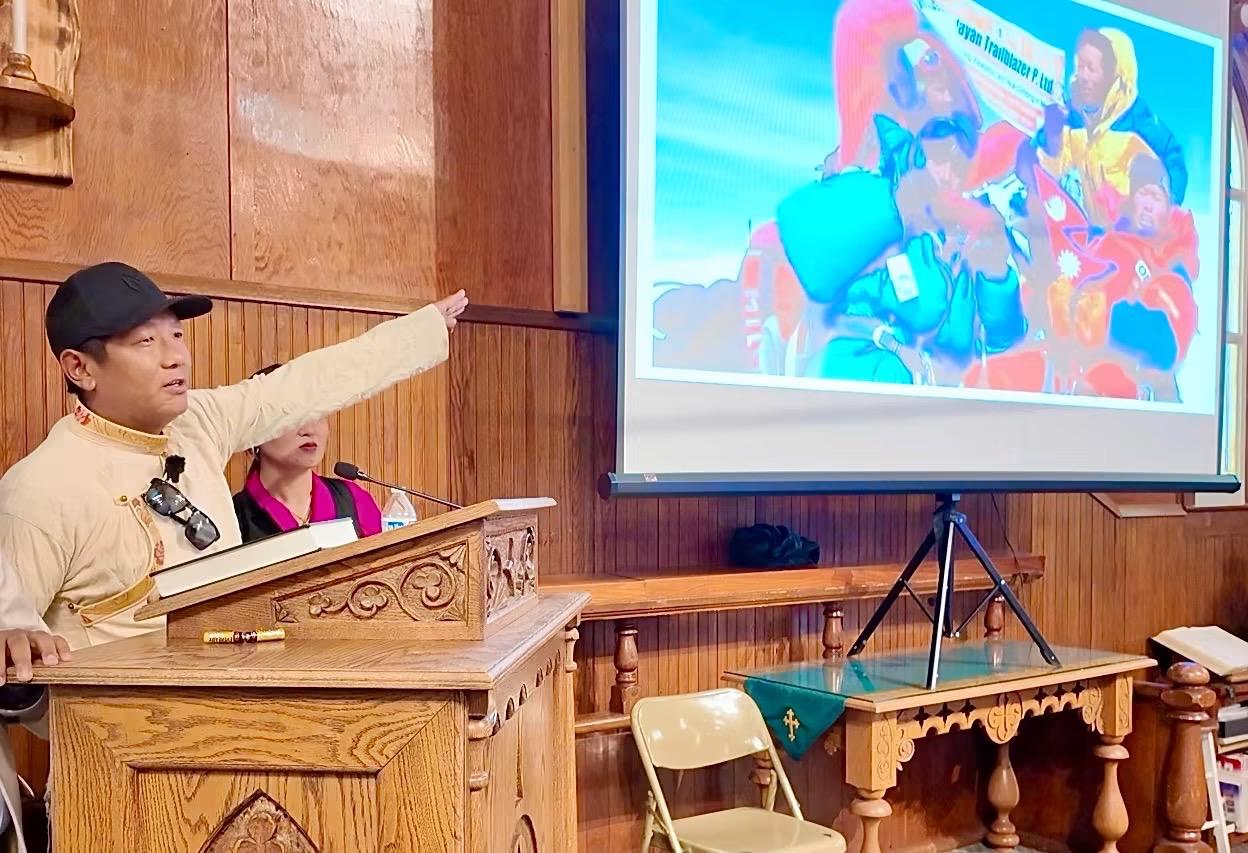
After the death of her husband, Tsering Wangchu Sherpa, she shouldered the responsibility of raising their two children, an elder son and a younger daughter. She faced financial difficulties and other hardships, and said she received no facilities or benefits from the government.
“But I refused to give up,” she told the audience. “With the support of the mountaineering community, I challenged the stereotype and scaled Mount Everest to honor the contribution of my husband and other Sherpa climbers.”
She summited Everest in 2019. She said she returned with a deeper understanding of the difficulties her husband and other Sherpas faced when they went to the mountains to earn money to feed their families. At the time, she received support for mountaineering and her livelihood from organizations including The Juniper Fund.
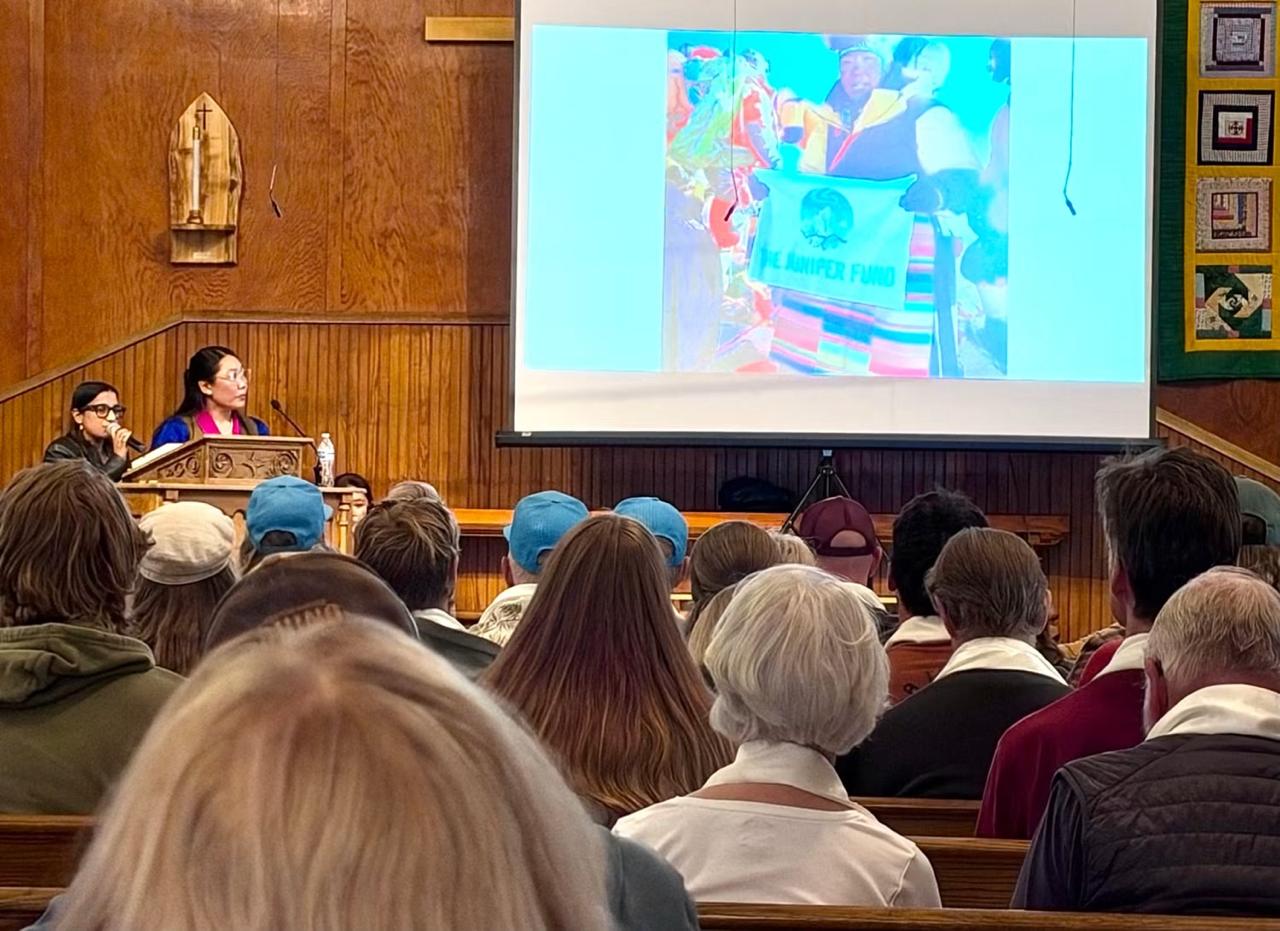
Next, mountaineering instructor and renowned climber Panuru Sherpa spoke about how the Khumbu Climbing Centre was conceptualized in Phortse village and how technical skills help climbers and guides make safer, more successful climbs. Panuru began climbing at 15 after dropping out of school.
“In the early days, a lack of training and skill resulted in massive losses in the mountains,” Panuru said.
Recalling his own experience, he said that when he began climbing in 1988, there were no technical schools where climbing Sherpas could receive proper training for many years. Eventually, along with American friends including Conrad Anker, he helped architect the Khumbu Climbing Centre in Phortse. Founded in 2003, KCC’s mission is to increase the safety margin of Nepali climbers and high-altitude workers by encouraging responsible climbing practices in a supportive, community-based program.
Panuru led KCC for many years and works as a lead instructor. “Over the past 23 years, KCC has become a successful vocational program for indigenous people like Sherpas,” he said, adding that adventure aspirants are equipped with technical climbing skills, mountain safety, rescue, and wilderness first aid training.
Panuru also shared climbing experiences ranging from the 1999 Everest expedition that recovered the remains of George Mallory to leading Sophia Danenberg, the first Black American woman to summit Everest, in 2006, as well as leading the National Geographic Expedition on Everest in 2019.
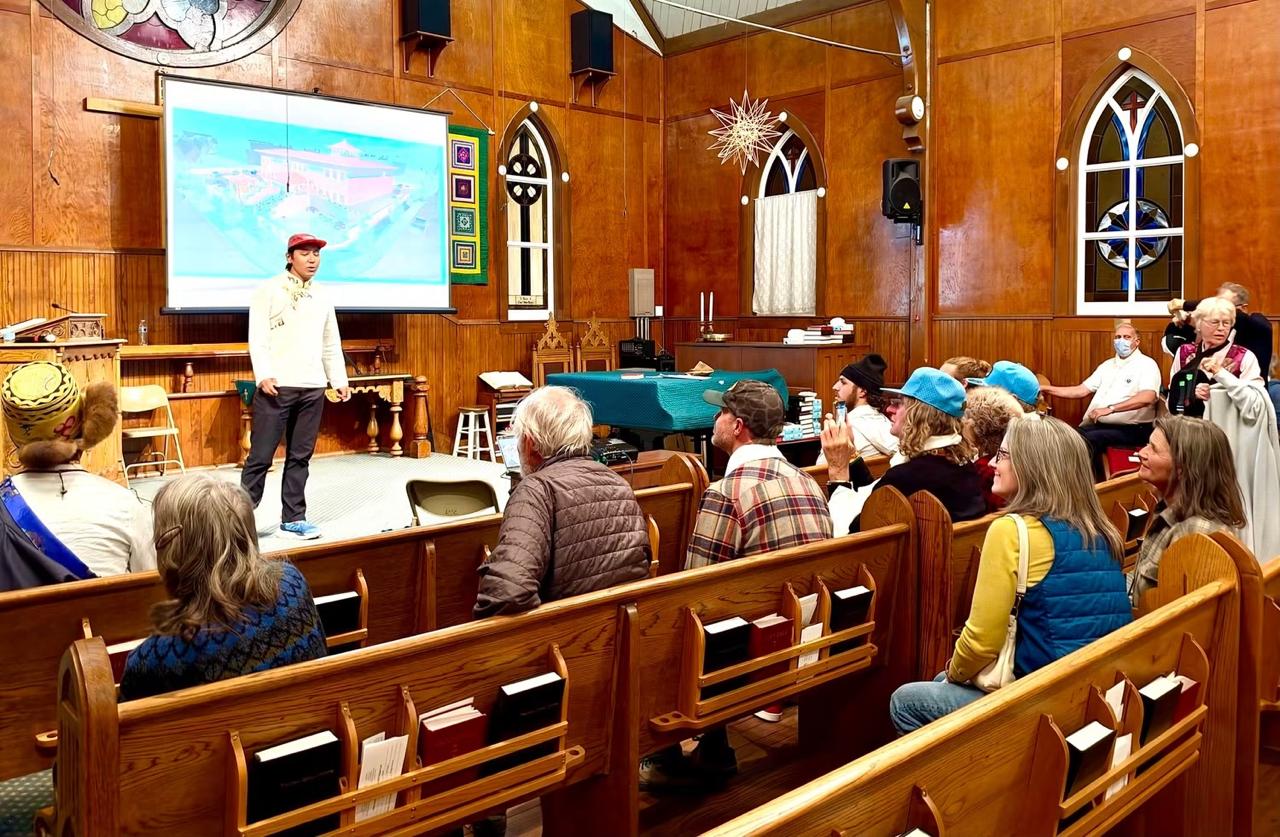
During the session, 16-time Everest summiteer Danuru Sherpa explained modern-day climbing and the use of technical skills while ascending mountains.
“Mountaineering is a journey that involves risks in every step,” said Danuru, who has led numerous Everest expeditions from both sides. “With the help of technical skills and the latest technologies, we can minimize it.”
Whether climbing a small peak or a towering mountain like Everest, climbers need proper caution, technical skills, training, and guidance from experienced mountaineers, he said. He also shared his personal experiences, mountain life, and the recent impact of global warming in the Himalayas.
Another presenter, Mingma Sherpa, shared his personal stories and focused on the challenges facing Sherpa climbers in Himalayan climbing.
“Sherpas are the backbone of mountain climbing, but they are largely ignored by the government and authorities,” Mingma said.
He highlighted issues including rising temperatures in the Himalayas, the social security of Sherpa climbers, and unhealthy practices in Himalayan climbing.
“Our mountains and communities are bearing the brunt of climate change,” Mingma said. “It’s high time all of us worked for the protection of the Himalayan environment and Himalayan communities.”
There are more stories beyond summits, and they were told during the event, Lhakpa said. Similar events are being planned soon in Denver and other cities across Colorado and beyond.
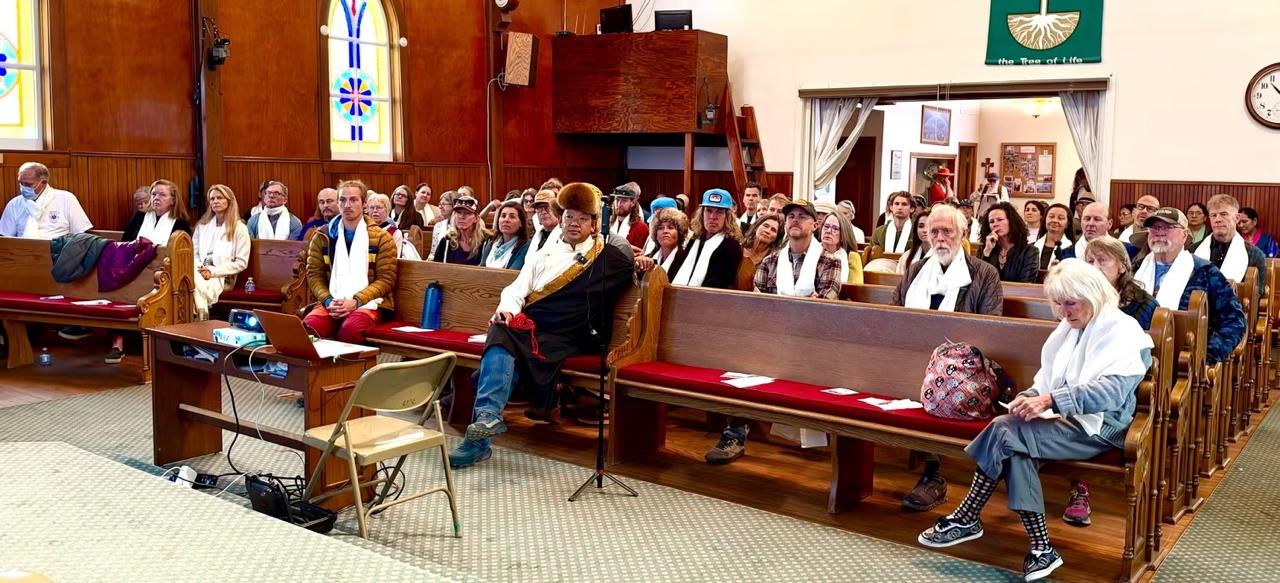
“This campaign is not just to raise funds but also to tell the real stories of Sherpas from their own mouths,” he said.
Lhakpa is now leading an ambitious project to build a Sherpa Community Centre in Colorado. “Certainly, this campaign will be supportive to build the community centre,” he said.
According to him, the Sherpa Community Center will be far more than a building—it will be a sanctuary. It will be a place for weddings and celebrations, for cultural preservation and learning, and for families to find comfort during their most difficult hours.
“It will promote Nepal and its mountain culture,” he shared.
It is envisioned as a space for cultural exchange, education, adventure, and spiritual connection, further strengthening ties between the Sherpa community and the wider public.




Comment