The Tourism Times | Breaking tourism-related news from Nepal and beyond
°C
Climbing
Mountain guide training program presses on in Api Himal following weather setback
Photo Courtesy: Api Himal Rural Municipality
By
Tourism Times
Published at : 17 Sep 2025, 10:36 PM
Ambitious program for local guides continues despite weather setback and accreditation debate
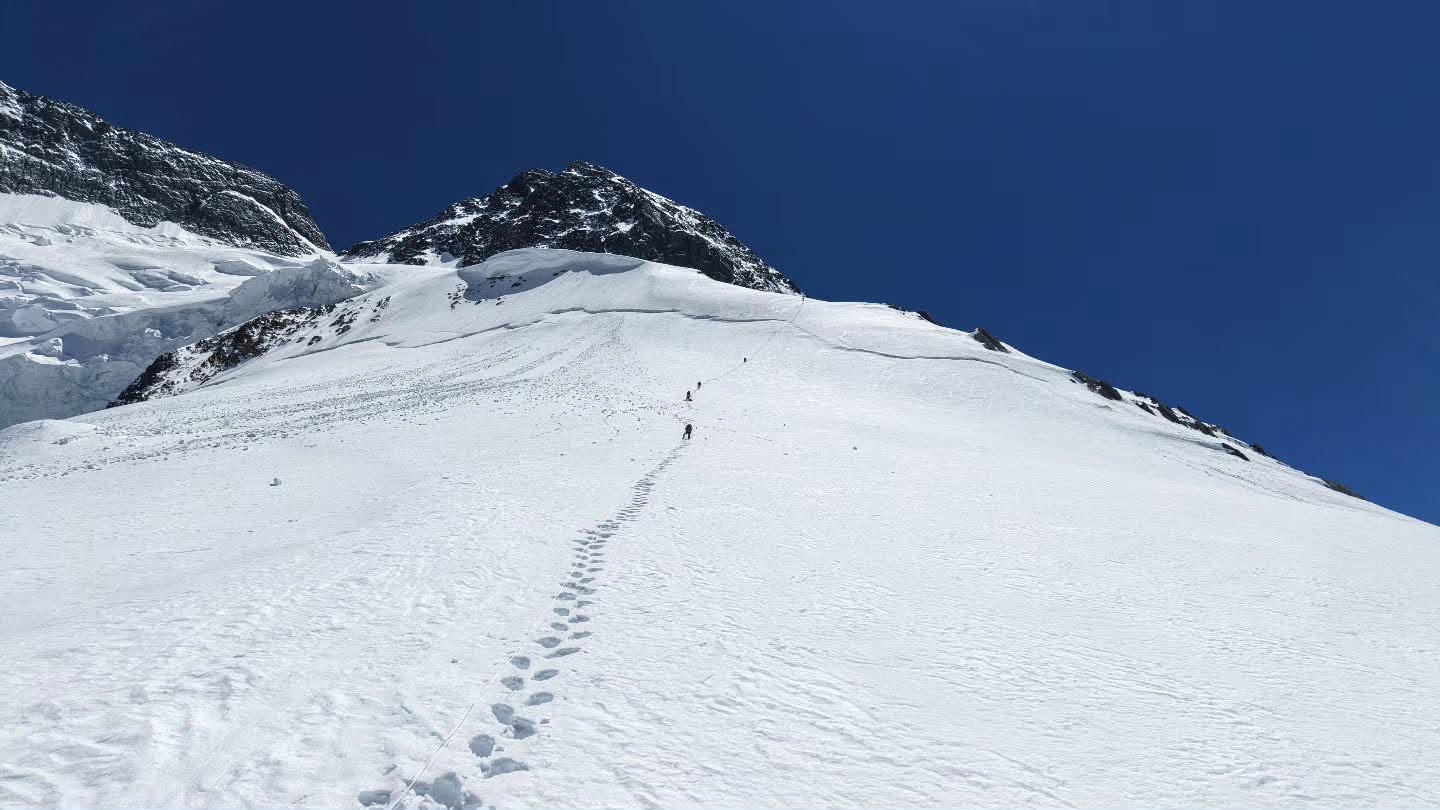
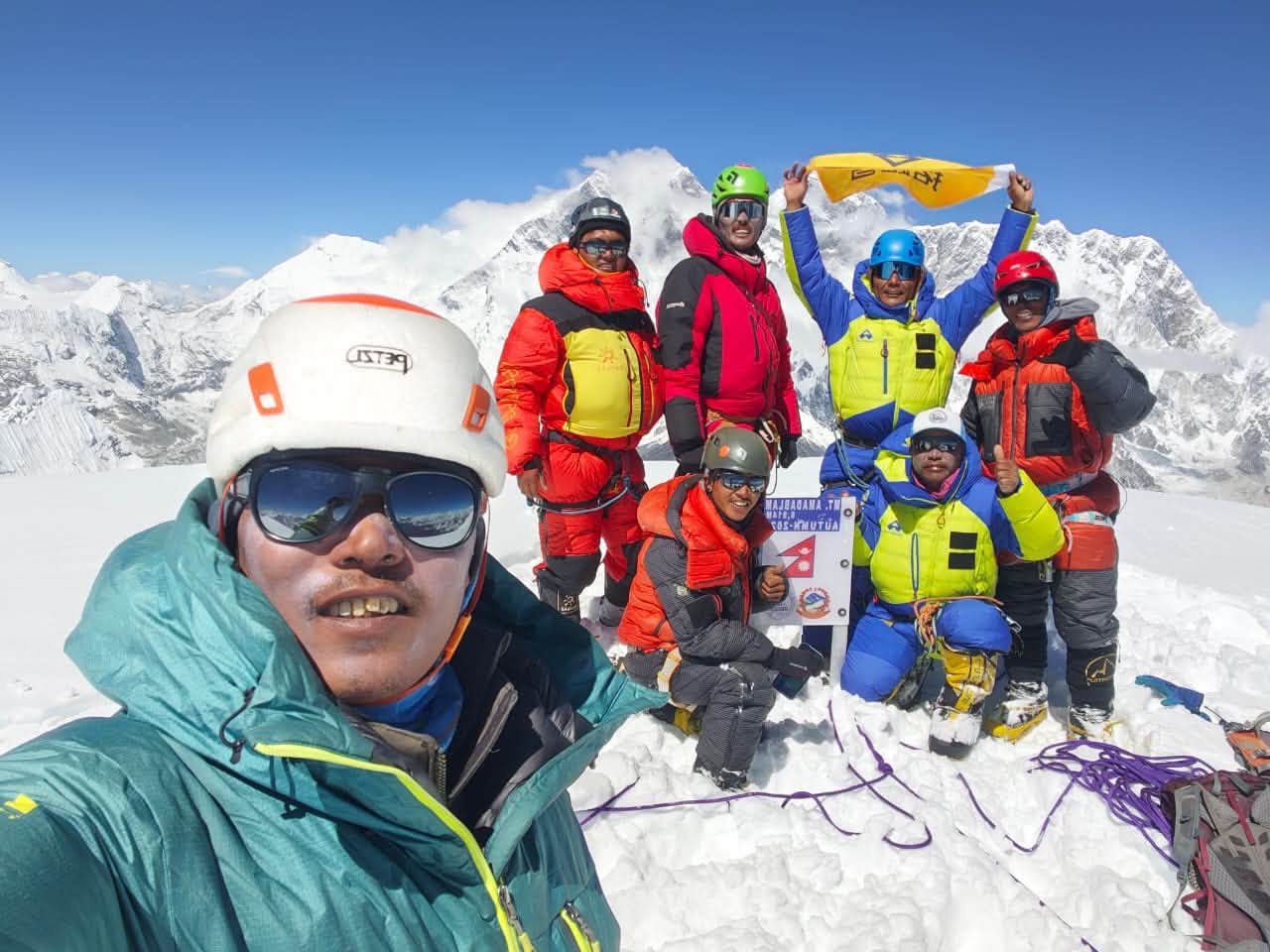
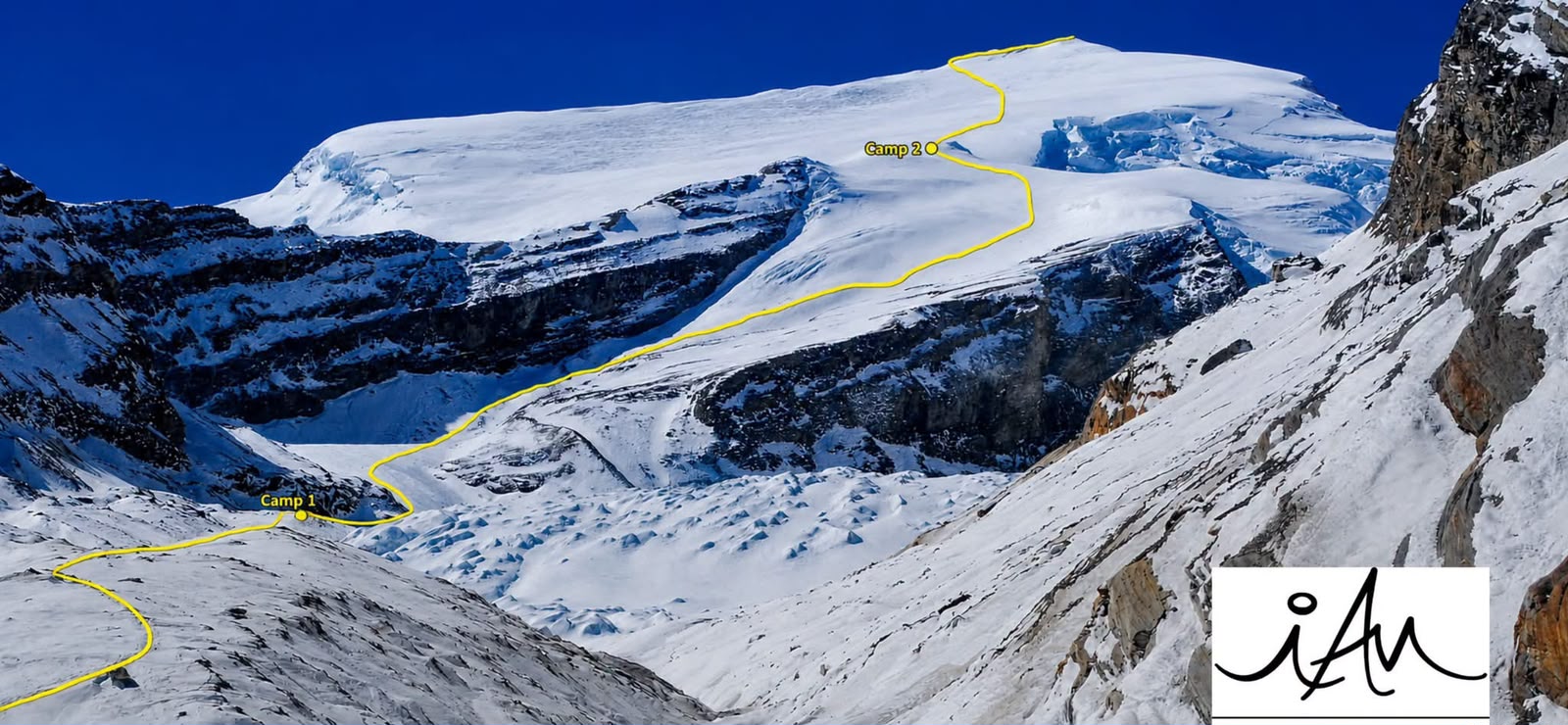
KATHMANDU: A high-altitude mountain guide training program in Nepal’s remote Api Himal region is pushing ahead with planned ascents of Lhayul Peak (6,397 m) and Api Himal (7,132 m), following a dramatic helicopter rescue that has ignited debate over safety and accreditation standards in Nepal’s mountaineering sector.
The seven-day training—part of a broader initiative to develop local professional guides—is organized by the Nepal Mountaineering Association (NMA), in partnership with the Nepal Tourism Board and UNDP, with support from Api Himal Rural Municipality.
The team was formally flagged off from Kathmandu on August 29 by former Tourism Minister Badri Prasad Pandey and senior officials from the Department of Tourism and Civil Aviation Authority. The field segment at Lhayul Peak is part of a government-endorsed curriculum under the Council for Technical Education and Vocational Training (CTEVT).
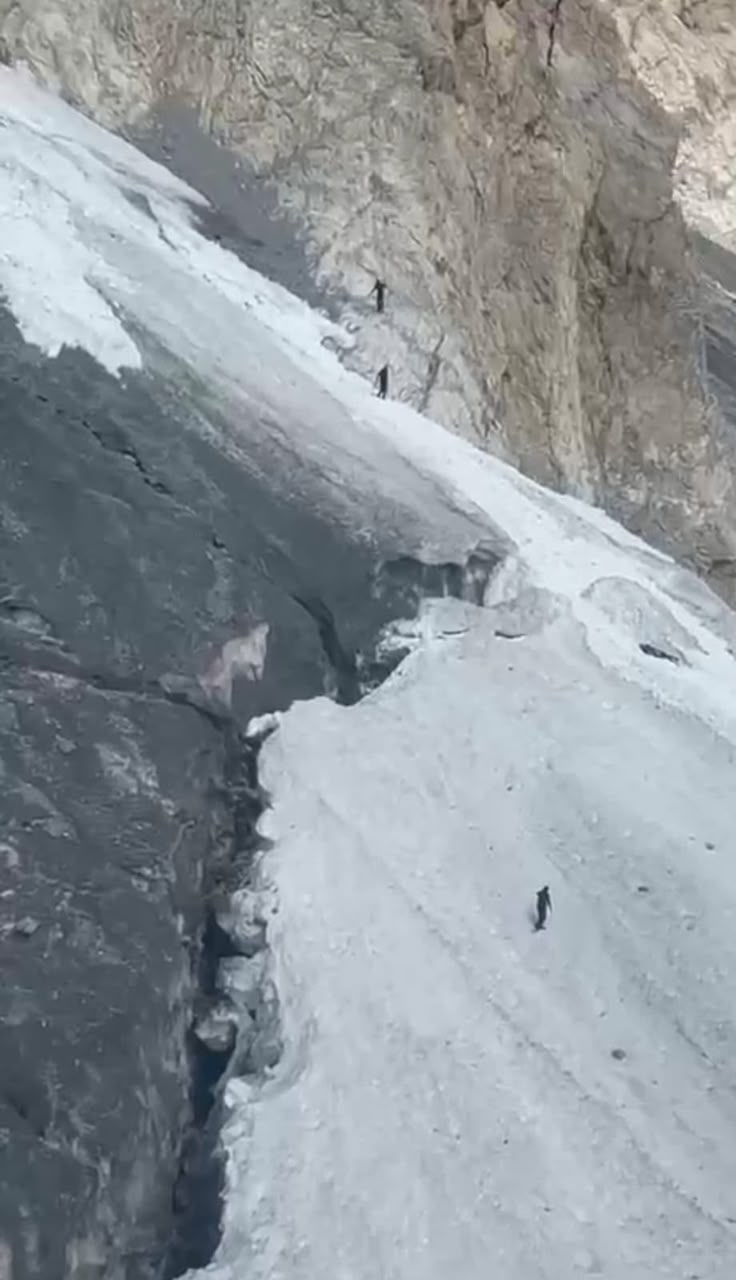
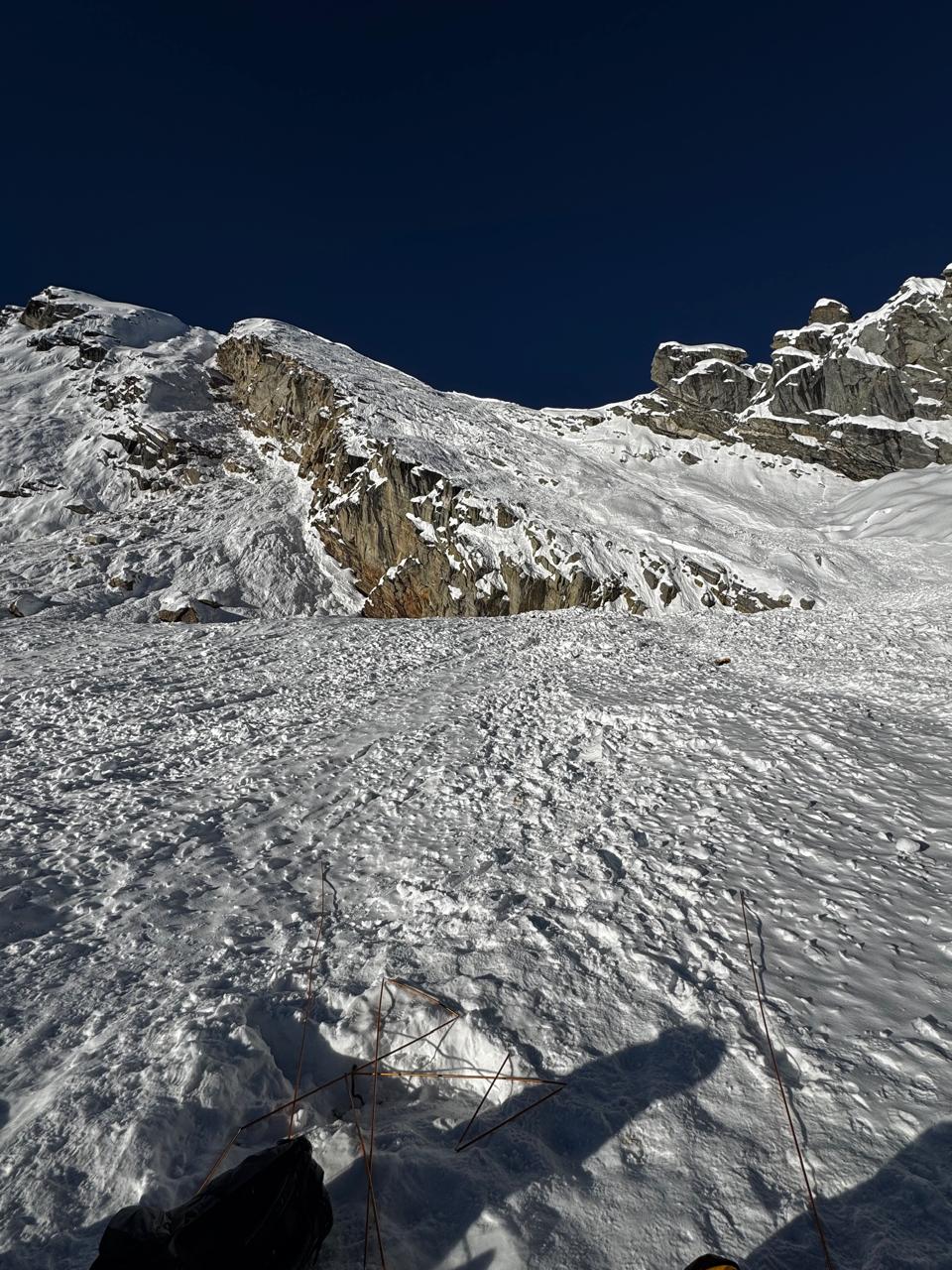
Last week, severe weather during the course injured chief instructor Sanjib Gurung and stranded several team members at high altitude. After three days of failed attempts due to poor visibility, a Simrik Air helicopter crew led by pilot Siddhartha Gurung successfully evacuated the injured.
Bhagat Singh Thekare Bohara of Api Himal Rural Municipality expressed gratitude for the rescue and confirmed the training and summit attempts will continue. “We wish a speedy recovery to all those injured,” he said.
The program aims to train 20 local residents in map reading, camping management, and expedition logistics—skills intended to help them pursue internationally recognized IFMGA guide certification and boost adventure tourism in the far-western region.
However, mountaineering experts have raised concerns, calling the training “unaccredited and substandard,” and criticizing its safety protocols and instructor qualifications. Organizers have defended the program, stating it follows a CTEVT-approved national curriculum and is led by experienced Nepali climbers.
The initiative aligns with the government’s recent waiver of climbing permit fees for 97 peaks in Karnali and Sudurpaschim provinces—a two-year policy designed to attract more climbers and create local employment.
Despite early setbacks, the project represents a critical opportunity for Api Himal residents to gain professional guiding skills and stimulate tourism in one of Nepal’s most isolated and economically underserved regions.


 °C
°C 

Comment