The Tourism Times | Breaking tourism-related news from Nepal and beyond
°C
Climbing
Khumbu Icefall route opens; Joint team reaches Camp I
By
Tourism Times
Published at : 28 Apr 2026, 9:36 AM
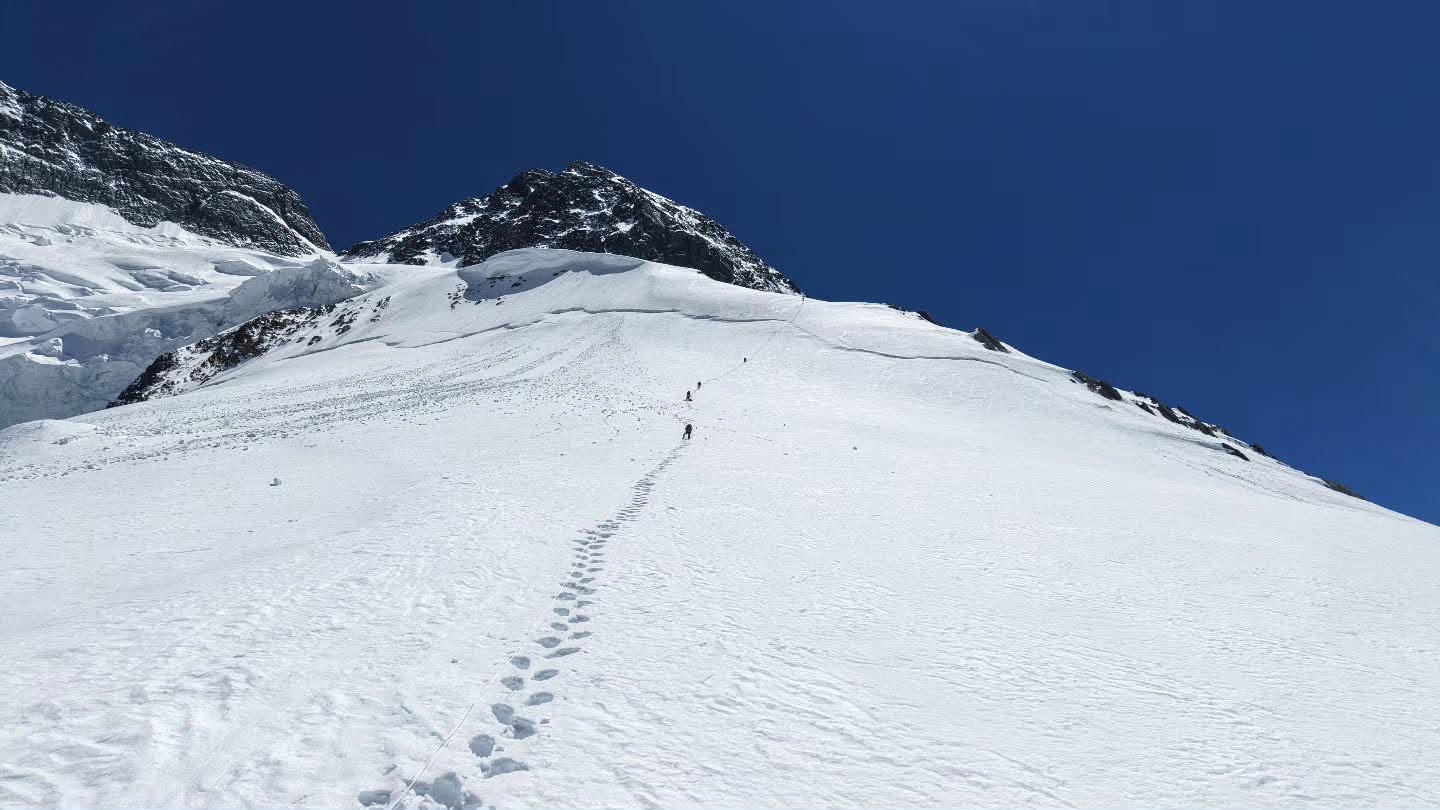
KATHMANDU: The Khumbu Icefall route on Mt. Everest has been opened after days of mounting tension at Base Camp, with a joint team of 13 mountain guides from the Expedition Operators Association of Nepal (EOAN) and eight icefall doctors from the Sagarmatha Pollution Control Committee (SPCC) reaching Camp I on Tuesday morning.
Two mountain guides each from Seven Summit Treks, Pioneer Adventure, and 14 Peaks Expedition, four from 8K Expeditions, and three from TAG Nepal joined the icefall doctors' rope-fixing team for the breakthrough push, according to EOAN field coordinator Lakpa Sherpa.
The rope-fixing team confirmed it had reached Camp I and was continuing toward Camp II.
EOAN General Secretary Rishi Bhandari thanked both teams for successfully opening the passage.
"The exact condition of the hanging serac near the Western Cwm will be known only after the team returns to base camp," Lakpa said.
What unfolded The opening brings to a close one of the most closely watched route-fixing delays in recent Everest seasons, and comes approximately eight days behind last year's timeline, when the icefall route opened on April 17, 2025.
The SPCC's contract for icefall route setup was signed on January 20, 2026. By end of February, ropes, ladders, and all required equipment had been purchased and delivered to Base Camp.
The icefall doctor team — officially deployed February 29 — arrived at Base Camp on March 4 and completed advanced refresher training in mountaineering, mountain rescue, and crevasse rescue through the Khumbu Climbing School before formal route-opening efforts began following the Puja ceremony on March 16.
Progress through the third and fourth weeks of March was repeatedly disrupted by strong winds and snowfall.
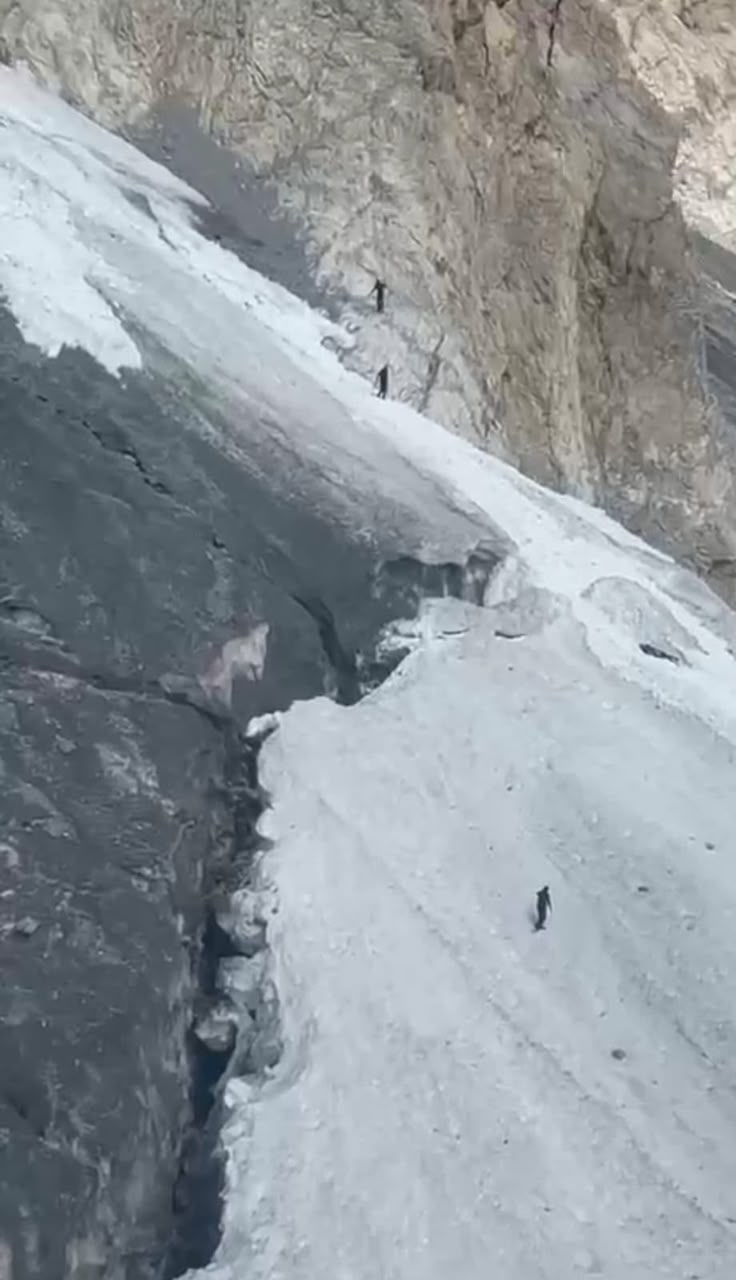
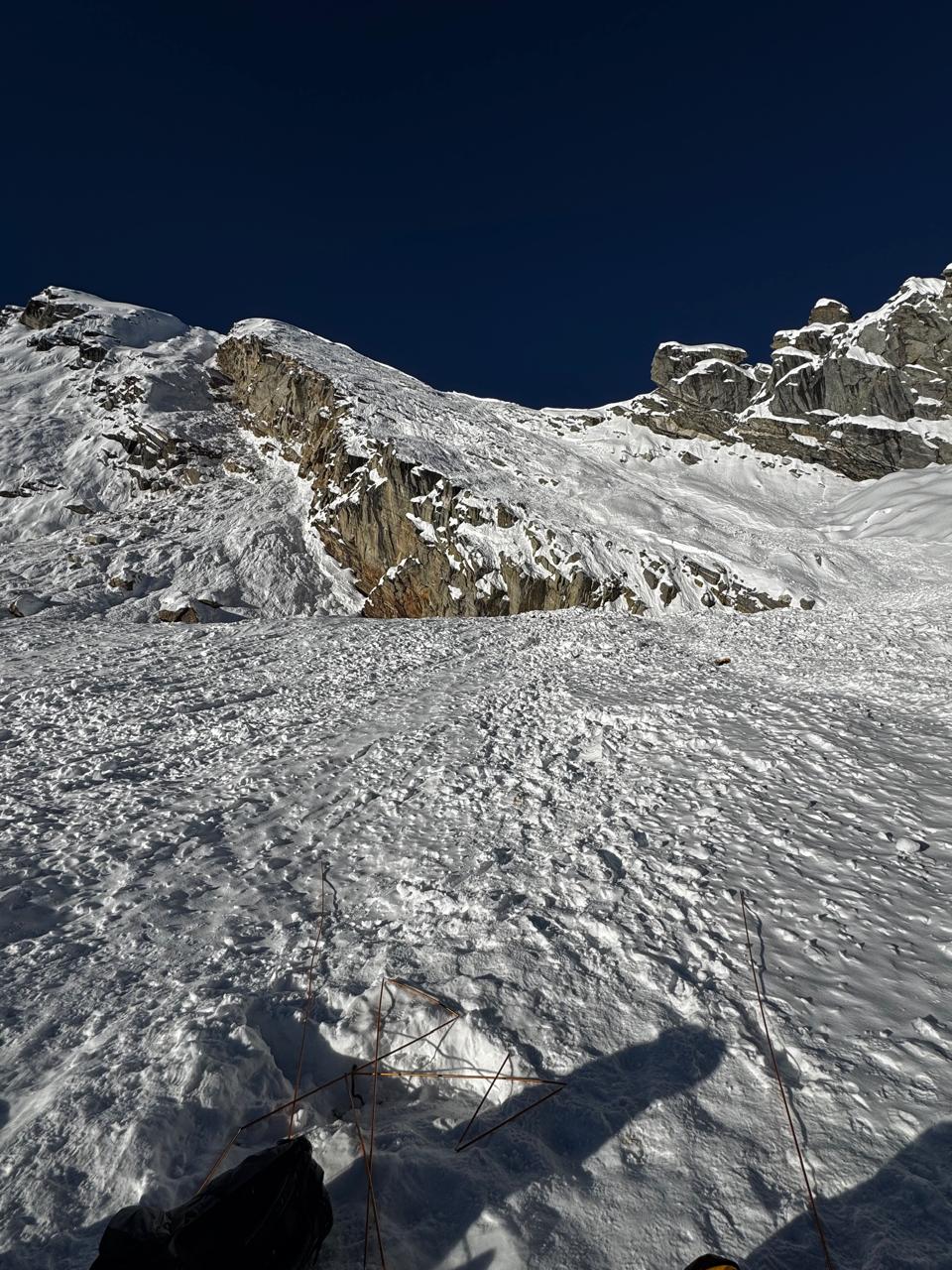
By mid-April, the route had been established up to the Rockfall Area below Camp I, but a large unstable ice serac remained the principal obstruction.
SPCC base camp manager Tshering Tenzing Sherpa had confirmed the gap in the serac widened from roughly three feet to eight feet over successive inspections — a sign the icefall doctors read as an indication of an imminent natural collapse.
On April 25, icefall doctor team leader Dawa Zangbu Sherpa and EOA representative Pasang Kami Sherpa conducted a helicopter inspection of the blockage area to identify the safest possible route. The following day, a joint team of eight icefall doctors and 17 experienced Sherpa from the EOA inspected the site on foot and concluded that conditions were not yet safe, recommending a further wait of a few days.
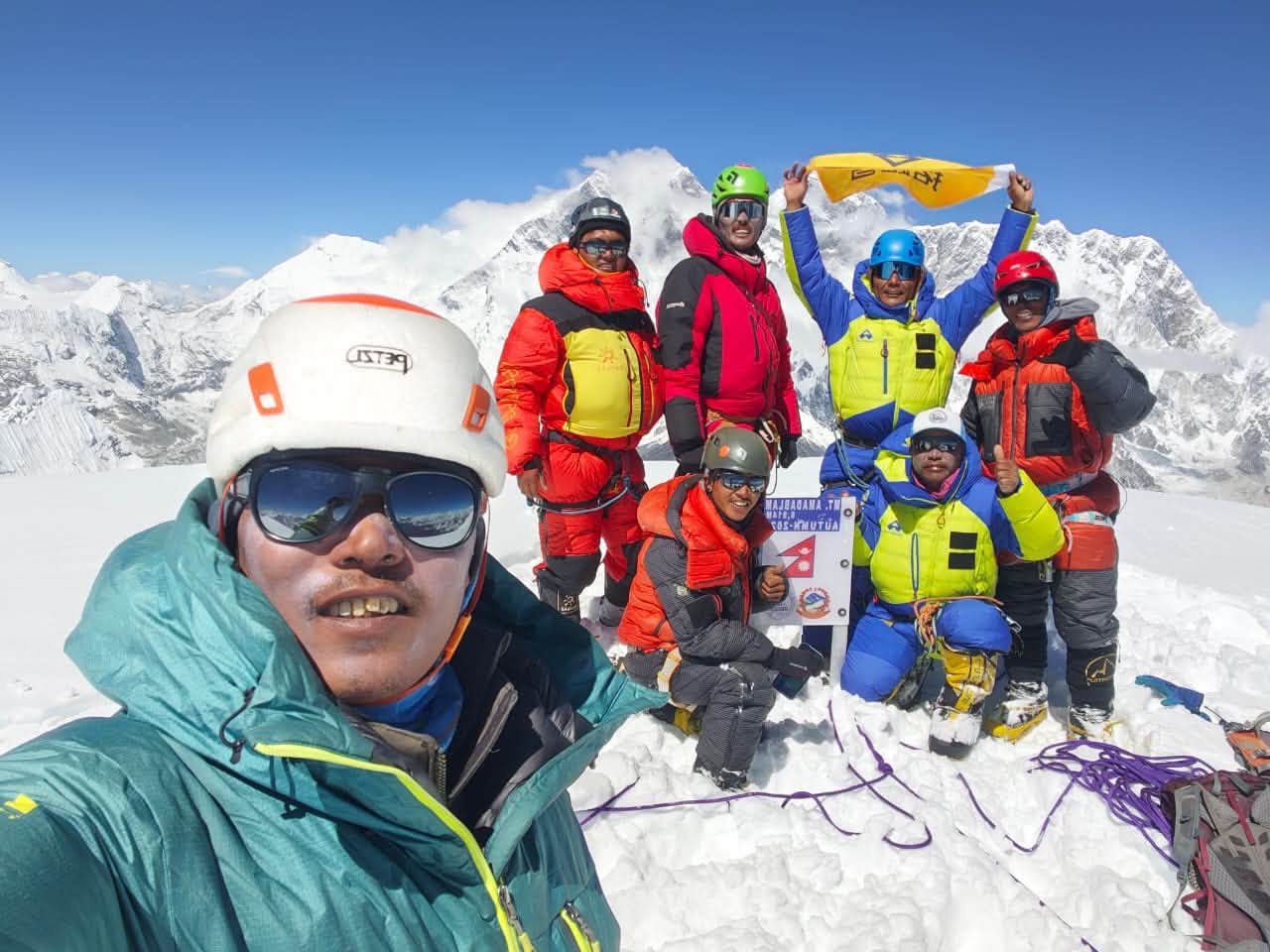
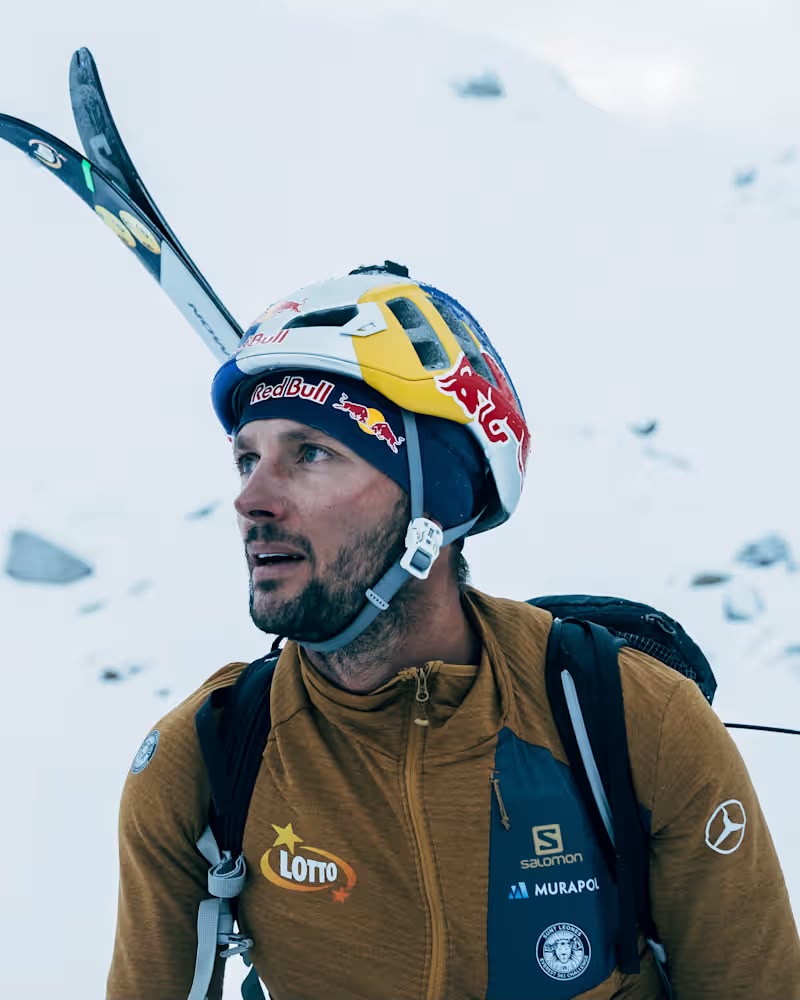
The calculus shifted on Sunday, when an independent five-member team from Imagine Nepal, Elite Expeditions, and Altipro — joined by Polish mountaineer Bartek Ziemski — pushed above the contested section without official coordination, fixing ladders and ropes and reporting conditions considerably safer than the prevailing assessment suggested. That team was forced to turn back just short of Camp I due to a whiteout, but their movement prompted the SPCC and EOAN to conduct a further inspection of the same line. Monday's full team push followed, successfully opening the passage.
The season in numbers With the route now open, attention turns to what is shaping up to be a substantial season. As of April 27, the Department of Tourism has issued permits to 996 climbers across 116 teams on various peaks, collecting royalties of USD 7,235,071 — approximately Rs 1.07 billion.
Everest alone accounts for 425 permitted climbers across 42 teams, making it by far the most sought-after peak of the season. Lhotse follows with 111 climbers across 9 teams, Ama Dablam with 92 across 8 teams, and Makalu with 61 across 9 teams. On Everest, China leads with 98 climbers, followed by the United States with 57, India with 46, the United Kingdom with 29, and Russia with 18. Across all permitted peaks, climbers from 77 countries have received permits — with China, the United States, India, Germany, and the United Kingdom among the largest contingents.
The Department of Tourism had authorised EOAN's mountain guides team to coordinate with SPCC icefall doctors on route fixing following a minister-level decision. Options including airlifting logistics to Camp II and extending the climbing season beyond the May 29 deadline had been under active discussion amid concerns that a prolonged delay could cause dangerous congestion during the narrow summit window. With the icefall now open, those contingencies may no longer be necessary — though officials have not yet confirmed whether the extension proposal has been formally set aside.
Three inter-agency coordination meetings were held in March under the Department of Tourism's leadership, bringing together SPCC, EOAN, TAAN, the Guide Association, NNMGA, NMA, and other stakeholders to manage the season's opening.
With more than 500 people expected to transit the icefall section daily during peak expedition weeks, route decisions have been made with exceptional caution throughout.


 °C
°C 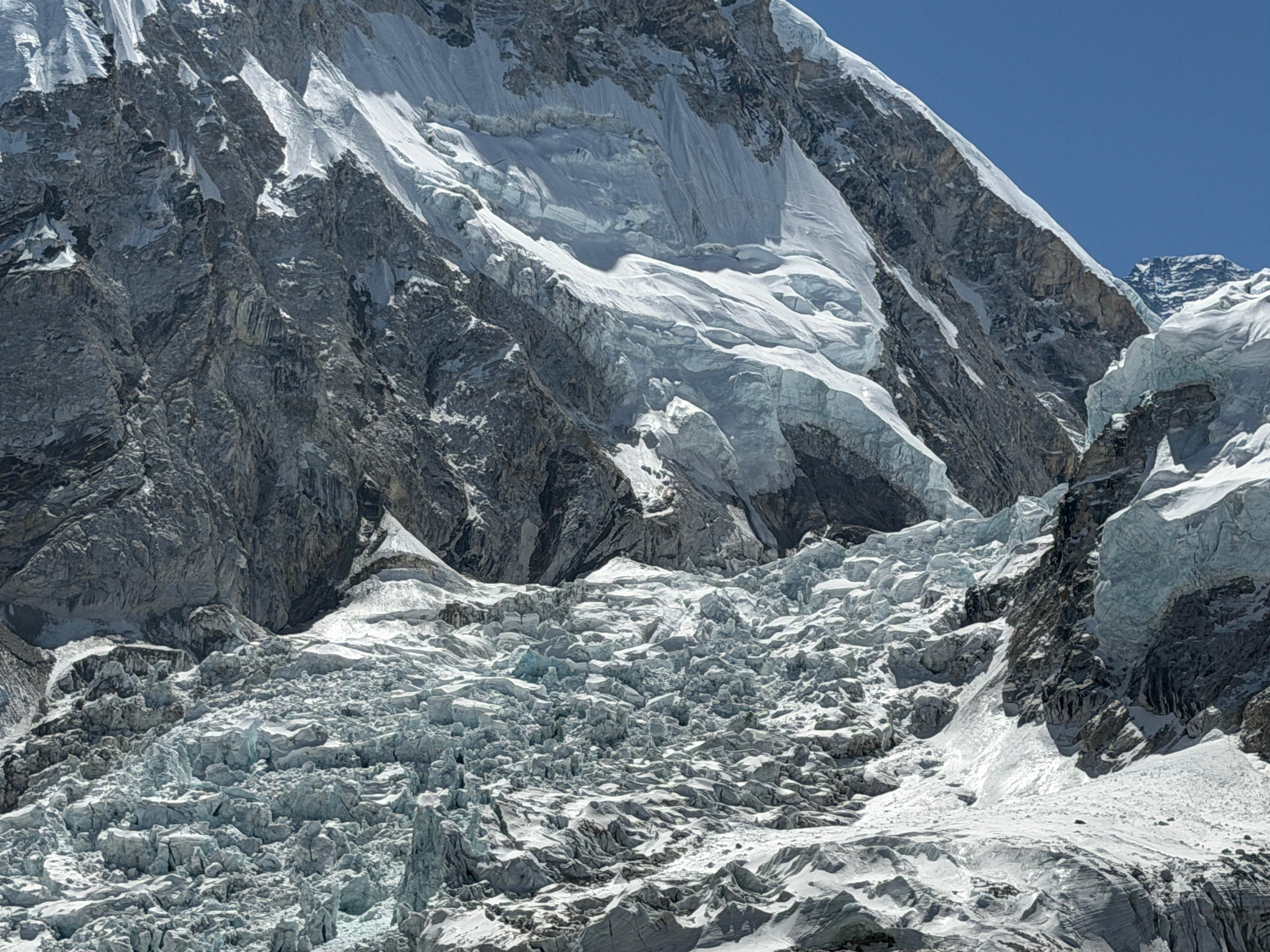

Comment