The Tourism Times | Breaking tourism-related news from Nepal and beyond
°C
Travel & Leisure
Tourist surge in Annapurna, Pokhara and Mustang as autumn season peaks
Fewa Lake, Pokhara. Photo: Ness
By
Tourism Times
Published at : 26 Oct 2025, 12:37 PM
New trekking routes, festive holidays, and improved access boost mountain tourism across western Nepal
KATHMANDU: Nepal’s major western tourist hubs, Annapurna Base Camp, Pokhara, and Mustang, have witnessed a remarkable influx of domestic and foreign visitors this autumn, fueled by long festival holidays, favorable weather, and improved trekking infrastructure.
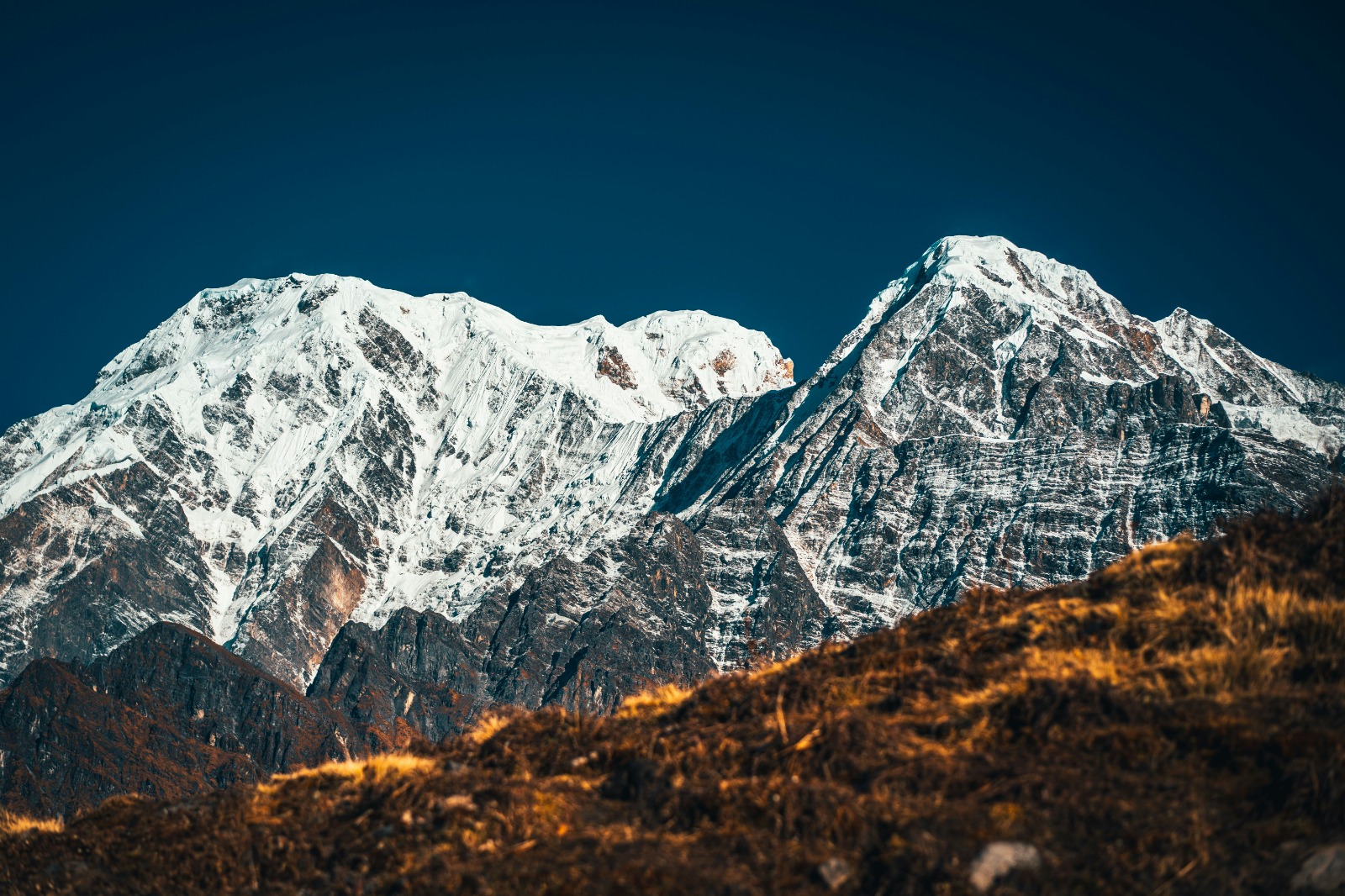
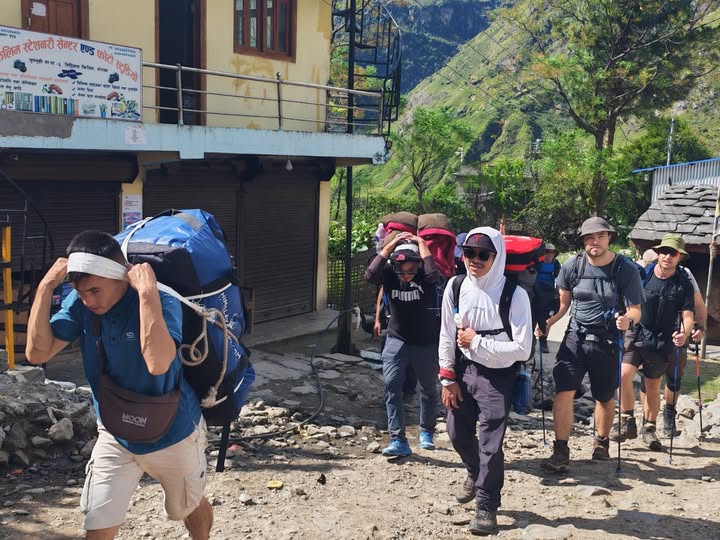
In Myagdi district, the Annapurna Base Camp has emerged as a top trekking destination for the younger generation, with record numbers of trekkers arriving this season. Located over 4,000 meters above sea level, the route offers a relatively short and accessible trail, making it increasingly popular among Nepali hikers and international travelers alike.
According to the Annapurna Rural Municipality, the recently upgraded trekking trail, basic infrastructure, and promotional programs have driven the unexpected rise in visitors. The base camp area, once mainly accessible by helicopter, now attracts hundreds of trekkers daily during the autumn season. Lodges along the route have reported full occupancy, with some visitors camping due to limited accommodation.
The scenic trail from Narchyang to the base camp features waterfalls, mountain vistas, alpine flora and fauna, and the Panchakunda Lake, a glacial pond at around 4,000 meters. The route has gained attention following the Annapurna Festival and the 75th anniversary of the first ascent, which helped promote the trail named after French climber Maurice Herzog, who led the first-ever ascent of an 8,000-meter peak in 1950.
Meanwhile, in Pokhara, the country’s adventure capital, hotels, restaurants, and tourism activities are buzzing again after months of slowdown. The long Dashain–Tihar holidays, clear skies, and pleasant temperatures have drawn a surge of visitors to Fewa Lake, Sarangkot, and adventure sports sites such as paragliding, zip-lining, and bungee jumping.
According to the Hotel Association Pokhara, hotel occupancy in Lakeside has reached around 90 percent, boosted by both domestic and international tourists heading for treks around Annapurna, Mardi Himal, and Ghorepani–Poon Hill. Pokhara remains a gateway for popular trekking routes and pilgrimage trips to Muktinath in Mustang.
In Mustang, the tourism boom has been even more dramatic. The District Police Office reported that nearly 7,000 tourists entered the district in a single day following the Tihar festival, marking one of the highest arrivals this year. The Beni–Jomsom road, part of a national pride project, saw heavy traffic with thousands of vehicles ferrying visitors toward Muktinath and nearby attractions.
Local hotels struggled to accommodate the unexpected influx, with many tourists staying in tents and temporary lodges. Businesses say festival holidays, improved road connectivity, and Mustang’s unique blend of religious and natural attractions have made it one of Nepal’s fastest-growing domestic destinations.
Tourism officials say the current momentum underscores a broader recovery in Nepal’s post-monsoon travel season, driven by internal mobility, rediscovery of mountain trails, and the expanding reach of domestic adventure tourism.
According to regional tourism offices, western Nepal’s mountain corridors — from Pokhara to Annapurna and Mustang — have collectively welcomed tens of thousands of visitors this season, signaling renewed confidence and vitality in the country’s tourism sector.


 °C
°C 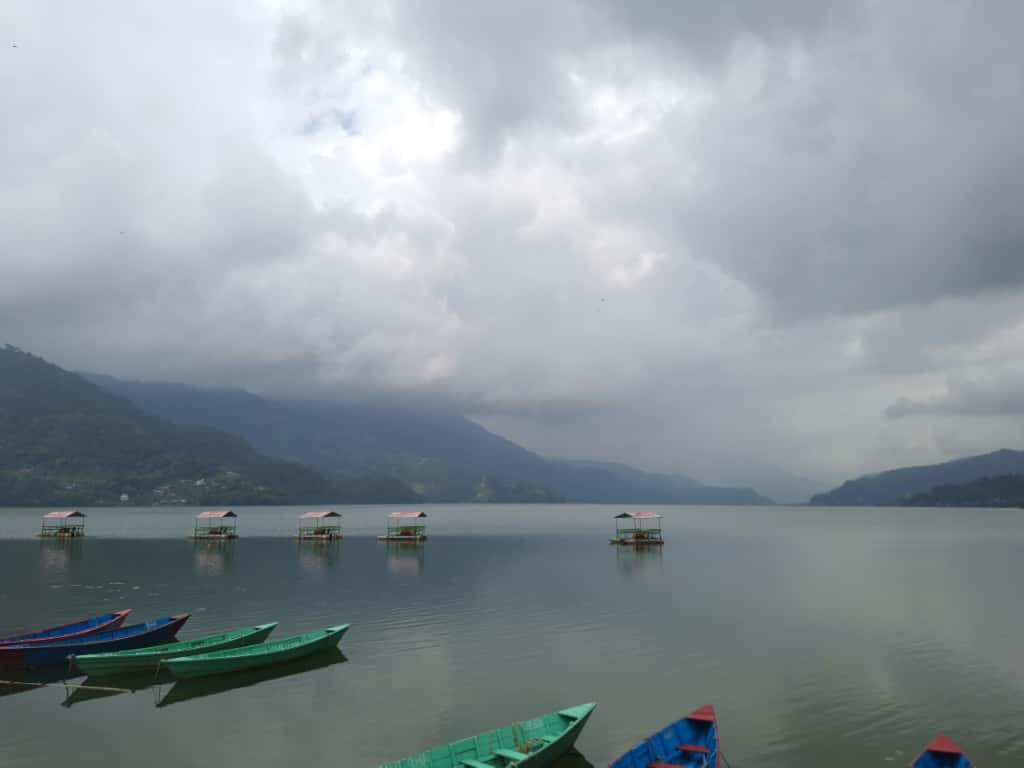
Comment