The Tourism Times | Breaking tourism-related news from Nepal and beyond
°C
Travel & Leisure
TAAN completes search and rescue training in Kanchenjunga region, expanding safety net across Nepal's trekking corridors
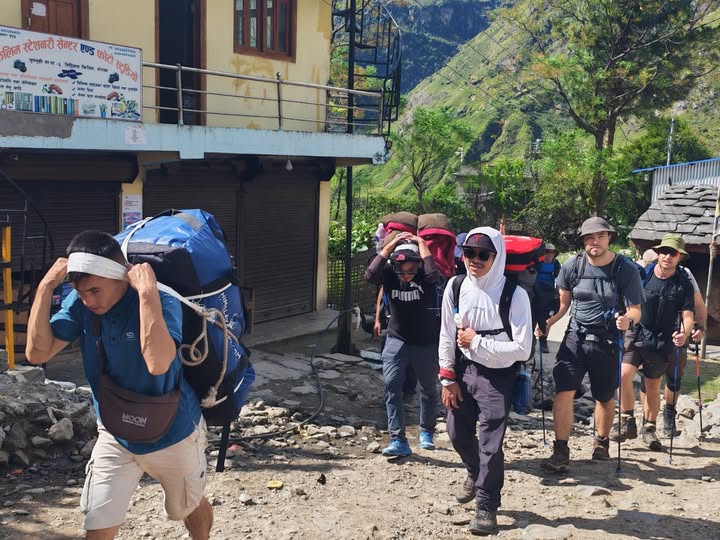
Photo Courtesy: TAAN
By
Tourism Times
Published at : 30 Mar 2026, 3:45 PM
Simultaneous programmes in Kanchenjunga, Manaslu and Everest regions mark the most coordinated community safety push on Nepal's trekking trails ahead of the spring season
KATHMANDU: In a bid to strengthen emergency preparedness across Nepal's most frequented trekking corridors, the Trekking Agencies' Association of Nepal (TAAN) and the Sustainable Tourism Project (STP) have simultaneously rolled out introductory search and rescue training programmes in three separate regions — the Everest, Manaslu, and Kanchenjunga circuits.
The most recently concluded programme wrapped up in the Ghunsa area of the Kanchenjunga Base Camp Trail in Phaktanglung Rural Municipality, Taplejung district, running from March 24 to 27. More than 15 local stakeholders from the communities of Ghunsa, Phale, and Gyabla participated in the four-day training.
Ghunsa serves as the gateway to the Kanchenjunga Base Camp Trail, the Yalungkhang Base Camp via Selele, and Walungchung Gola via the Nago La high pass — a network of remote trails where emergency response capacity has historically been limited.
Participants included representatives from the rural municipality, the Kanchenjunga Conservation Area Management Council (KCAMC), local police, health posts, hotel and lodge committees, tea-house owners, local guides, Mother Group members, yak herders, and non-timber forest product entrepreneurs. The programme was facilitated by instructors led by Sanjib Gurung and coordinated by the Ward No. 1 committee of Phaktanglung Rural Municipality.
Part of a wider safety push
Running concurrently with the Kanchenjunga programme, a parallel training was completed from March 24 to 27 in Samagaon in the Chum Nubri Rural Municipality of Gorkha district, covering communities from Samagaon, Shyala, Samdo, and Dharmashala along the Manaslu Circuit Trail.
The Samagaon-Larke Pass section is widely regarded as one of the most incident-prone stretches of any trekking route in the Nepal Himalayas, making local emergency preparedness particularly critical. The programme was facilitated by Lal Bahadur Jirel under the guidance of the Chairperson of Tsum Nubri Rural Municipality and coordinated by the Ward No. 1 committee of Chum Nubri Rural Municipality. More than 15 community members participated, drawn from the same broad range of local stakeholders.
Earlier in the week, on March 22-24, a three-day introductory search and rescue training was conducted in Kharikhola in Khumbu Pasanglhamu Rural Municipality-1, Solukhumbu — the gateway to both the Khumbu Valley and the Mera Valley in the Everest region. Seventeen participants representing the rural municipality, local police, health posts, clubs, tea-house and lodge owners, local guides, yak herders, and NTFP entrepreneurs are attending the programme.
At the conclusion of each training, the respective ward offices have received a standard set of search and rescue equipment including rescue ropes, safety helmets, first aid kits, and carabiners, ensuring that communities retain a tangible emergency response capability after the trainers depart.
All three programmes are jointly organised by TAAN and STP, a collaborative initiative between the Nepal Tourism Board and the United Nations Development Programme (UNDP), with the shared goal of building grassroots capacity to protect trekkers, guides, and local community members along Nepal's high-altitude trails.
Together, the three trainings signal a concerted effort by TAAN and its partners to systematically build grassroots emergency response capacity across Nepal's major trekking corridors ahead of the busy spring season.


 °C
°C 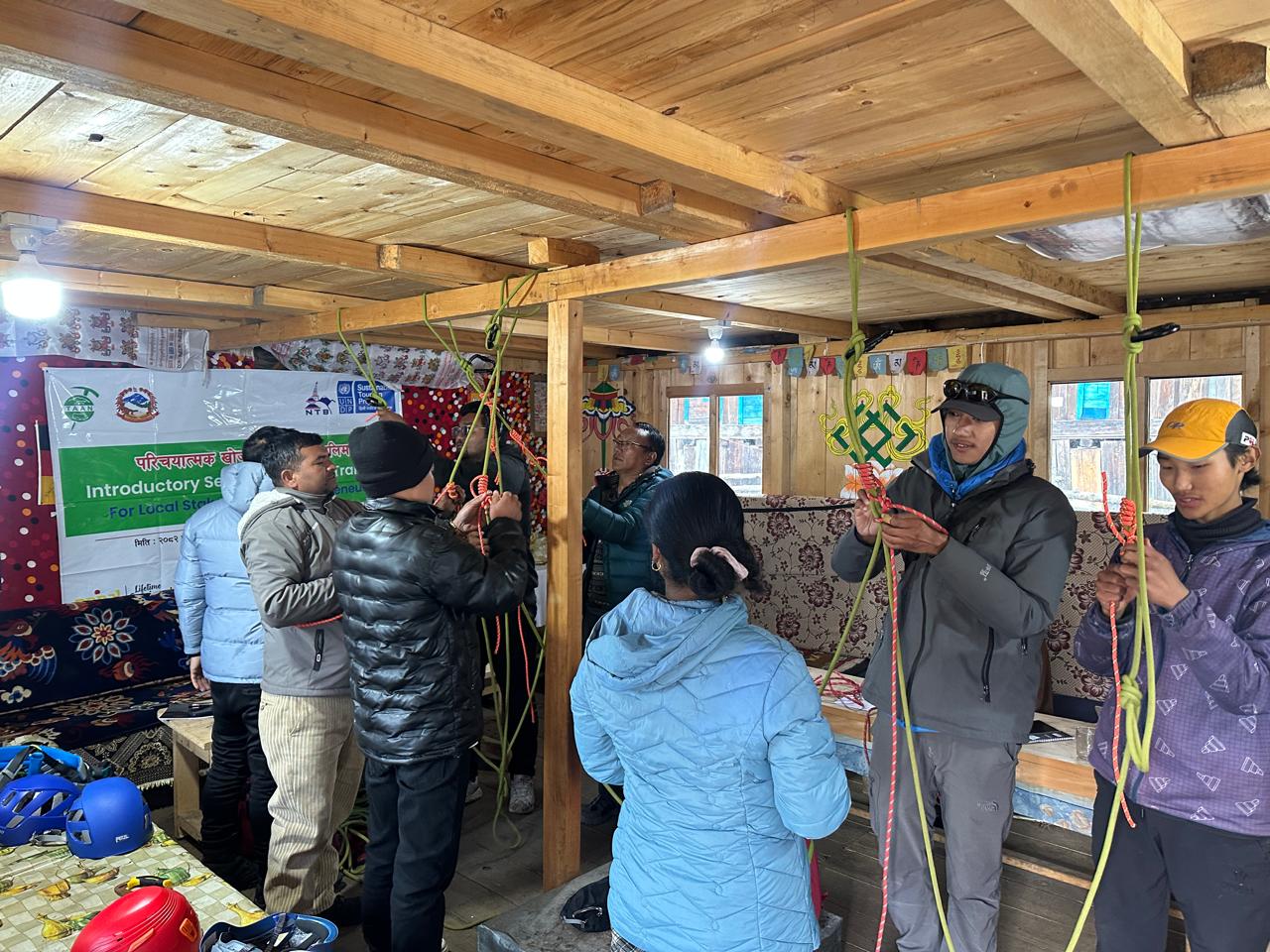




Comment