T3 Special

"Where is our right to privacy?" — BBC broadcasts ICU interview of Everest survivor Dawa Sherpa without permission
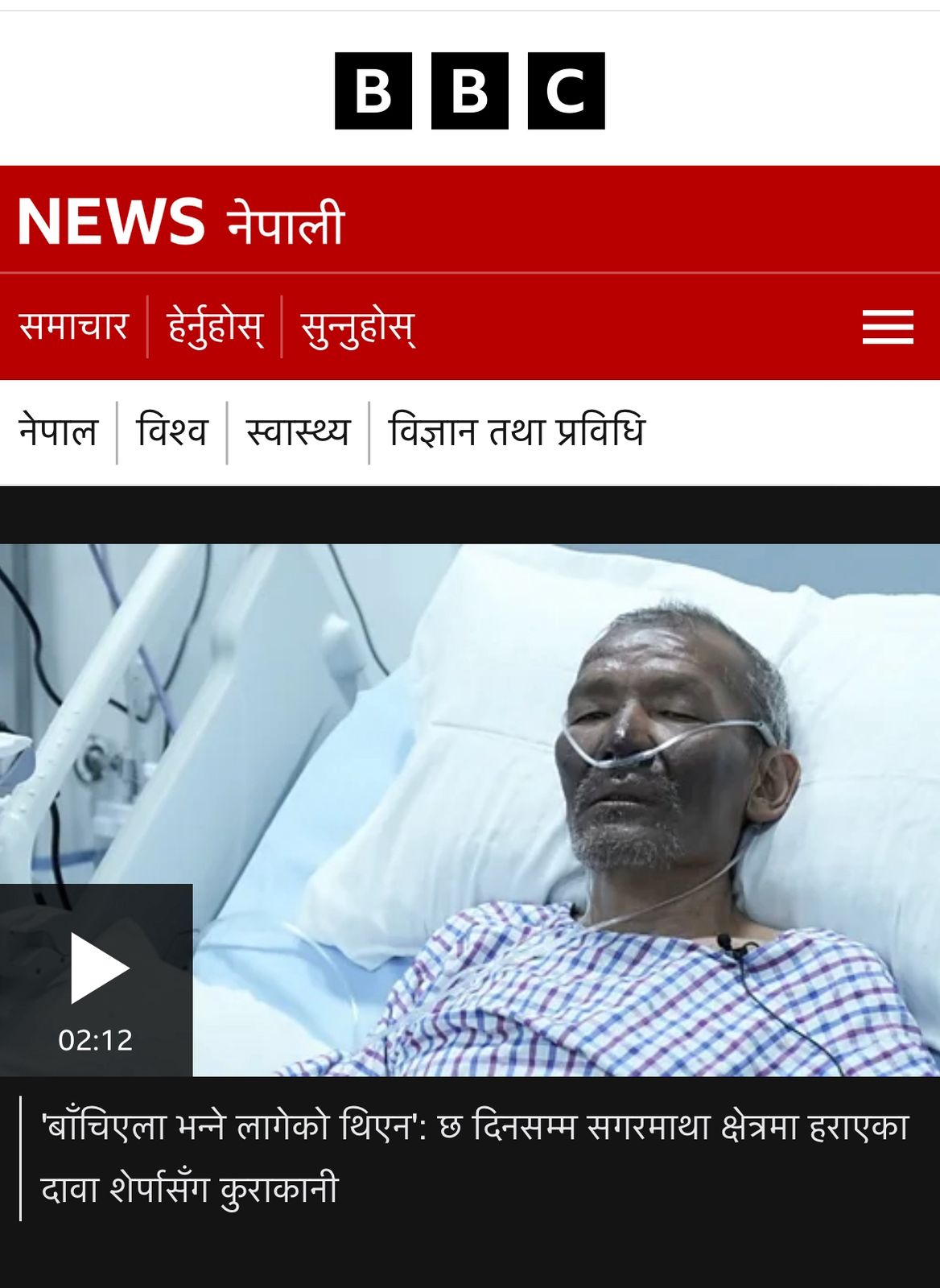
"Where
By Tourism Times
Published at : 6 Jun 2026, 5:05 PM

KATHMANDU: The BBC has broadcast a video interview of Dawa Sherpa, the Sherpa guide who survived seven days alone in Everest's death zone, filmed inside the intensive care unit of HAMS Hospital in Kathmandu without the knowledge or consent of his family or hospital authorities, drawing sharp condemnation from his wife and raising serious questions about the broadcaster's adherence to its own editorial standards.

"Where is our right to privacy?"

Damu Sherpa, Dawa's wife, said she was stunned when she saw the interview published by the BBC. "I am surprised to see this video interview of my husband, who is under critical medical intervention in the ICU," she said. "Where is our right to privacy?"

Damu said no one had approached her or the hospital for permission. "He is my husband, and no one came here to seek permission for this interview," she said. She demanded an immediate response from the BBC. "I need an immediate answer from the BBC for this sheer violation of journalistic norms and our privacy. You don't show heroism when others are in trouble."

Her anger extended to the hospital as well. "I was not even authorised to enter the ICU cabin due to its sensitivity. How the BBC accessed it - I am surprised," she said, calling it negligence on the part of hospital management too.

HAMS Hospital authorities confirmed that ICU access is strictly restricted. "We will investigate how this interview was taken," a hospital official said. "Everyone needs to respect patient rights rather than look for TRP."

A breach of the BBC's own standards

The incident is particularly striking given the BBC's publicly stated editorial framework. The broadcaster operates under the Ofcom Broadcasting Code and its own Editorial Guidelines on Privacy, which require that any potential infringement of privacy must be warranted, justified, and proportionate. Producers are required to respect private lives unless an overriding public interest justifies broadcasting - and even then, the intrusion must be proportionate to that interest.

The guidelines make specific provision for vulnerable individuals, requiring special care around their physical well-being and emotional welfare. A patient recovering in an ICU from frostbite, a leg fracture, and severe dehydration following seven days without food or oxygen at extreme altitude would, by any reasonable standard, fall within that category.

https://www.bbc.com/nepali/articles/cvgzgklepd5o?at_bbc_team=editorial

The BBC's data and contributor privacy policies further require that personal information about individuals - including their medical condition and likeness - be handled fairly and transparently, with the consent of those involved. No such consent appears to have been sought from his family, or the hospital. The BBC could not be contacted for comment.

Dawa's condition and background

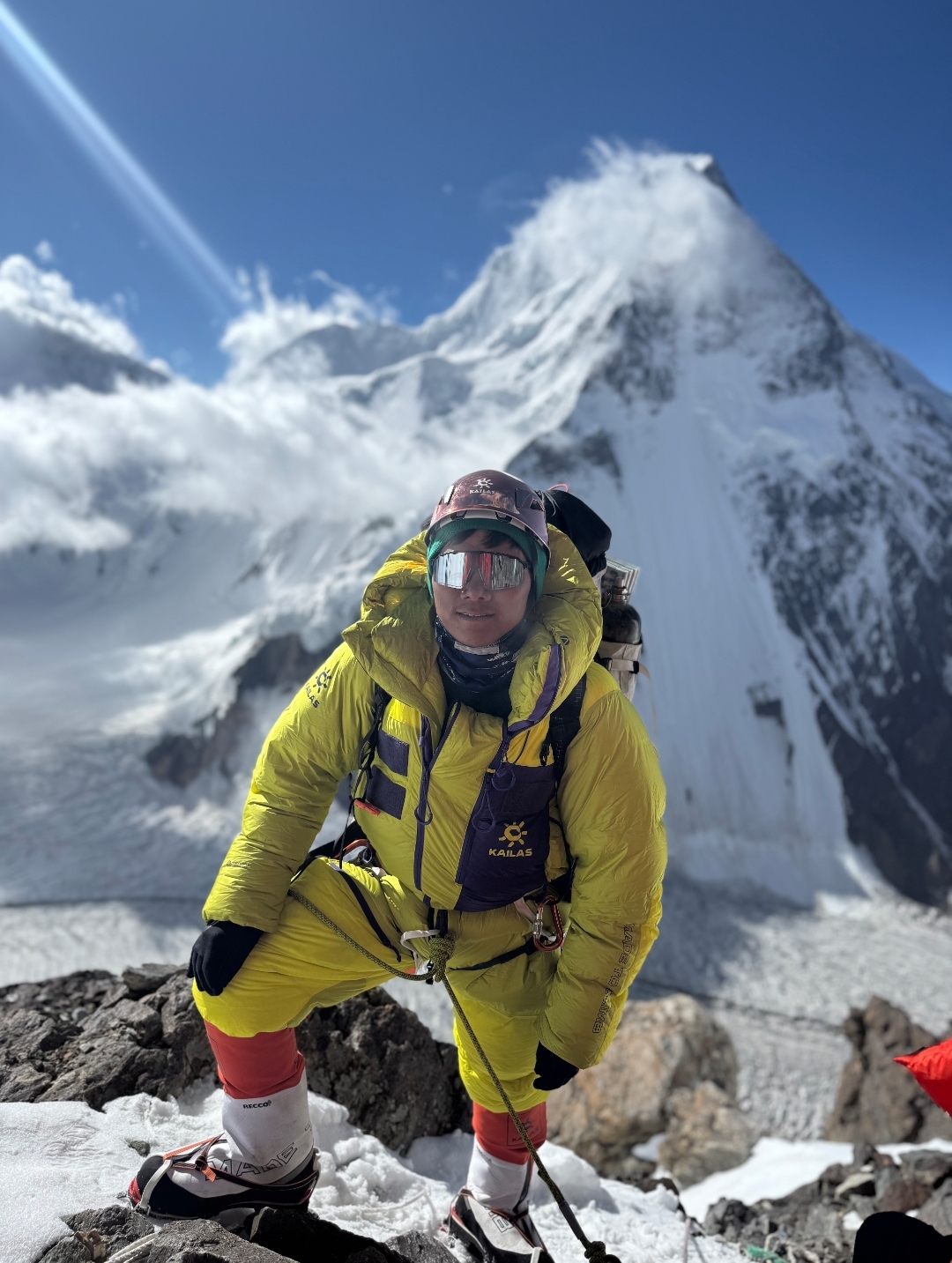
Dawa, 57, popularly known as Hillary Dawa from Okhaldhunga, remains in the ICU at HAMS Hospital, where doctors say he is stable and recovering well. He is receiving intravenous Iloprost therapy for frostbite, supplemental oxygen, intravenous fluid resuscitation, and other supportive care. His dehydration has improved significantly. He is expected to remain in the ICU for several more days under close observation by a multidisciplinary team, HAMS Hospital updated in a press release issued today.

Upon arrival, he was diagnosed with Grade II frostbite on both little fingers, Grade I frostbite on his right thumb and middle finger, a right medial femoral condyle fracture with distal thigh intramuscular hematoma, and severe dehydration, according to the hospital.

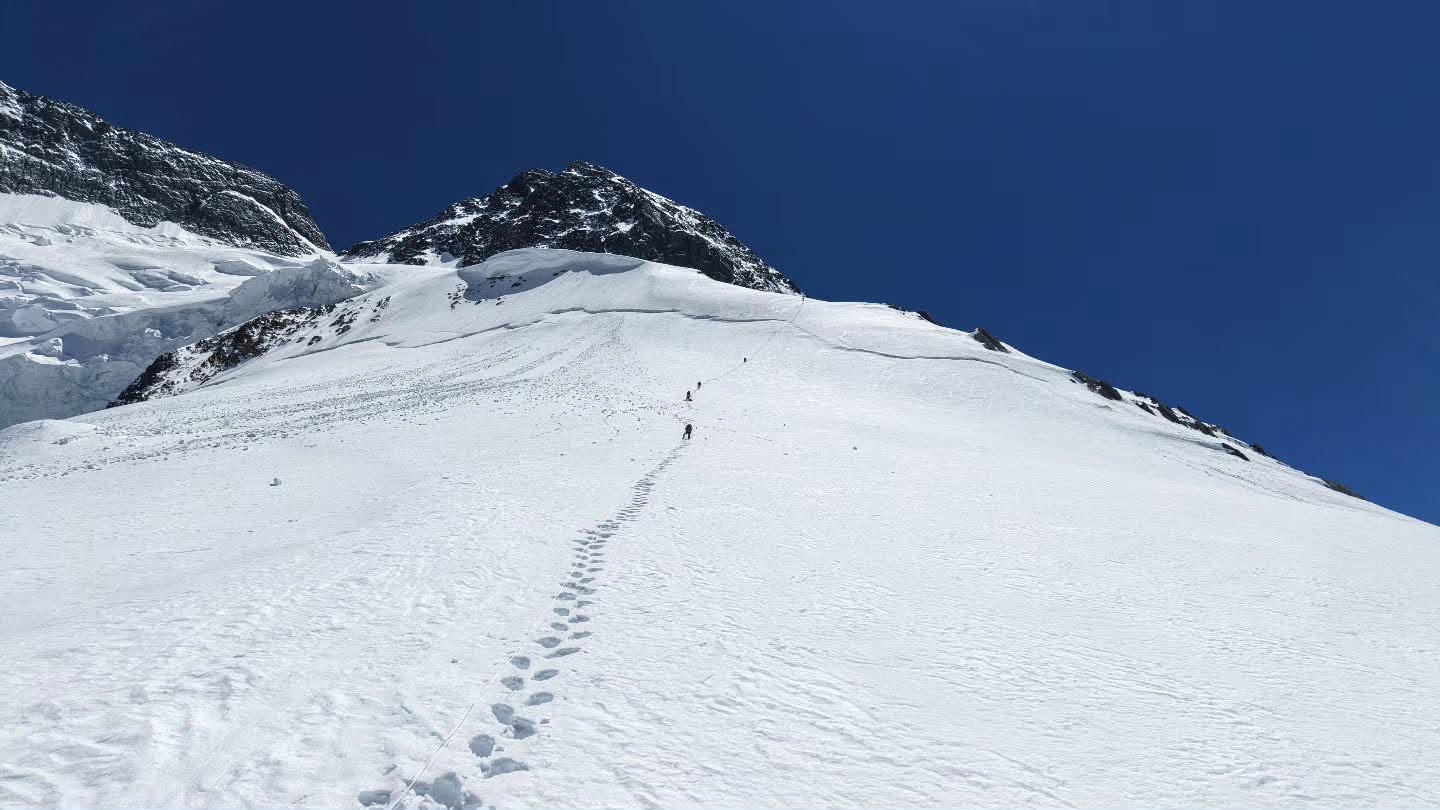
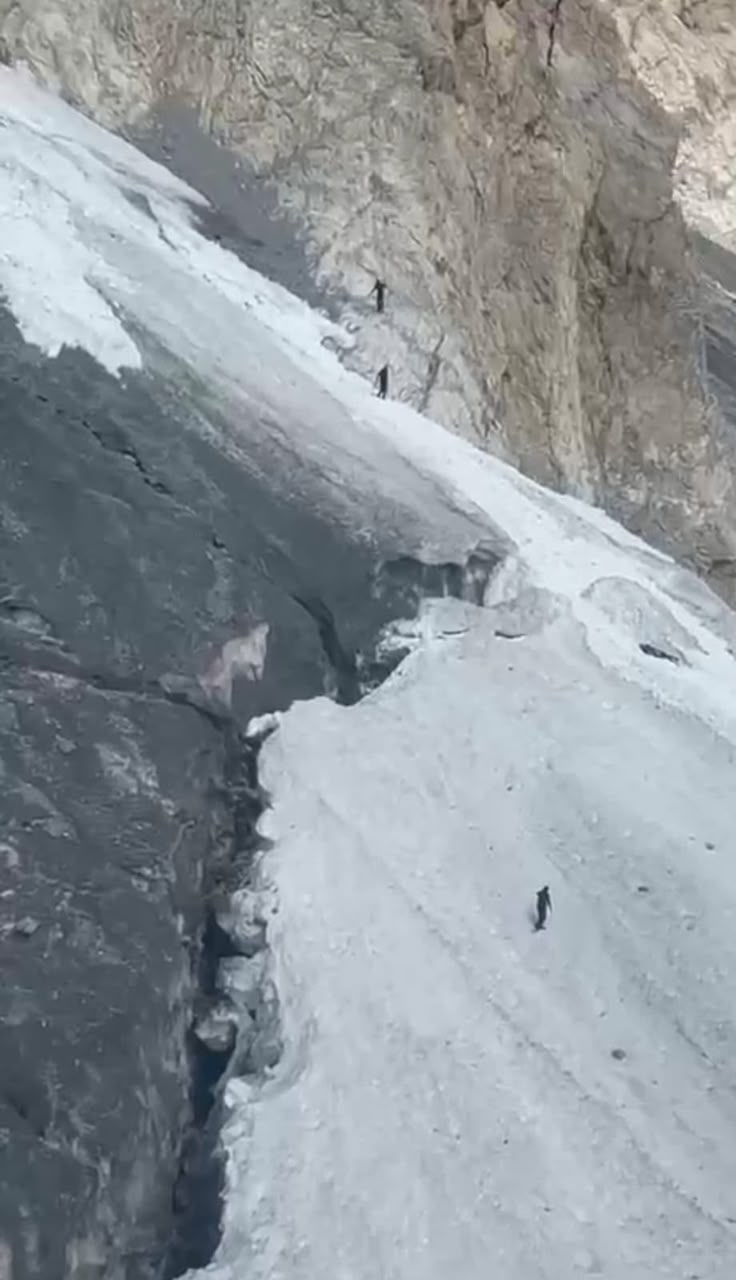
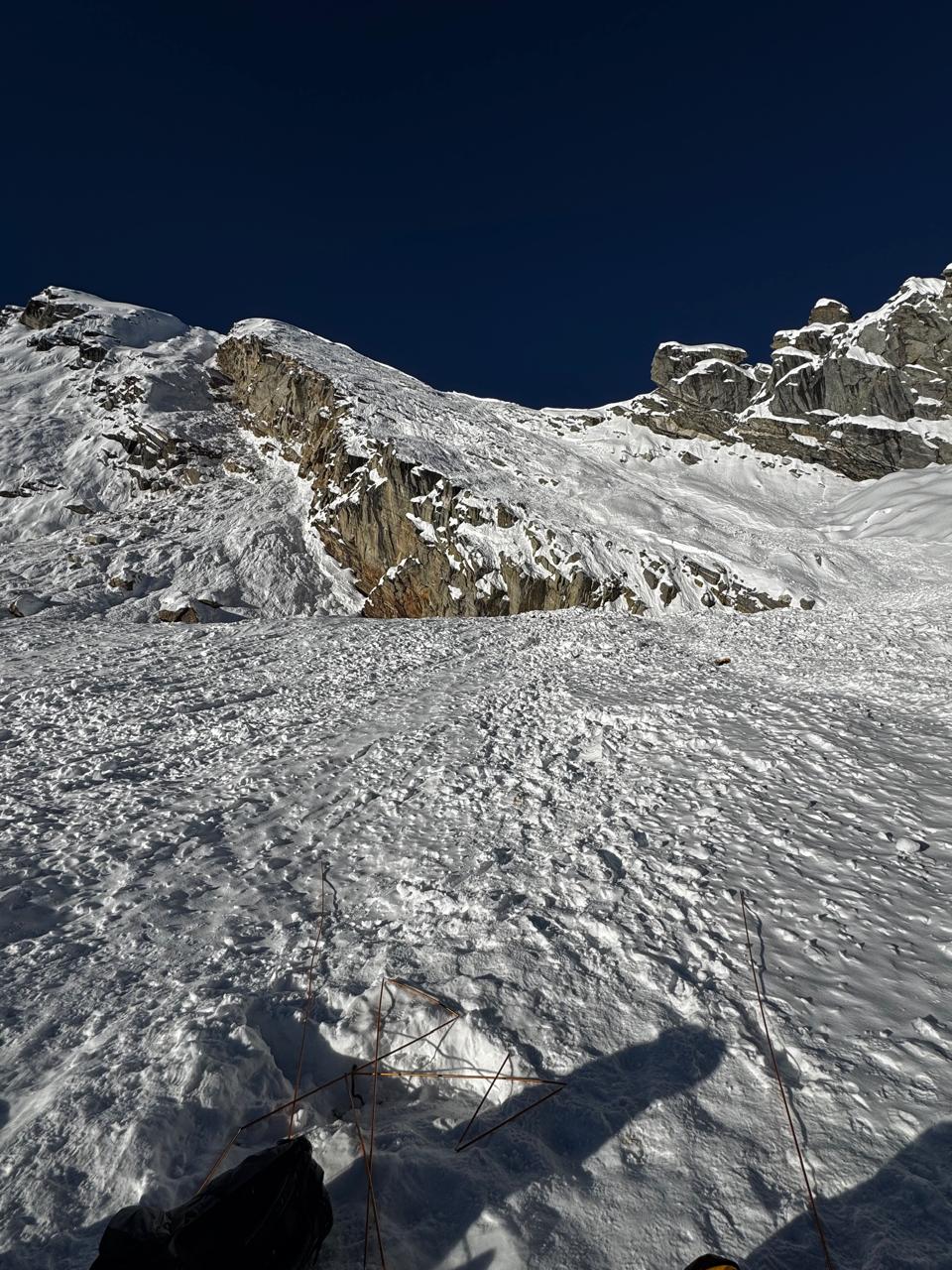
Dawa went missing on May 29 near the Yellow Band above Camp III on Everest, left behind by fellow climbers from expedition company Himalayan Traverse during descent. No rescue was launched for six days. Expedition members removed all seven icefall ladders on May 31 and returned to base camp while Dawa remained stranded without food or bottled oxygen. His family had already begun funeral rituals before he was found alive on June 4, crawling toward Crampon Point near base camp, rescued by a Sagarmatha Pollution Control Committee garbage management team.

The case has drawn international attention. Norbu Tenzing Norgay, son of Tenzing Norgay Sherpa, said the story laid bare the realities facing Everest's mountain workers. "This story crystallises what Everest has become and the treatment of mountaineering workers," he said.

The Nepal Mountaineering Association has separately called on the government to establish an independent investigation committee into the circumstances of Dawa's abandonment, urging expedition operators to uphold their duty of care. "Abandoning a mountain guide in the death zone of Sagarmatha raises serious ethical and humanitarian concerns that must be addressed," the NMA said.

Tags: #Trekking

Comment