

 °C
°C NMA, EOA discredit China-funded Everest Summiteers Summit, demand action against Everest Allaince Nepal
KATHMANDU: Nepal's major mountaineering bodies have formally rejected any links to a privately organised 'Everest Summiteers Summit' in their replies to the Department of Tourism, while also demanding regulatory action over alleged irregularities.
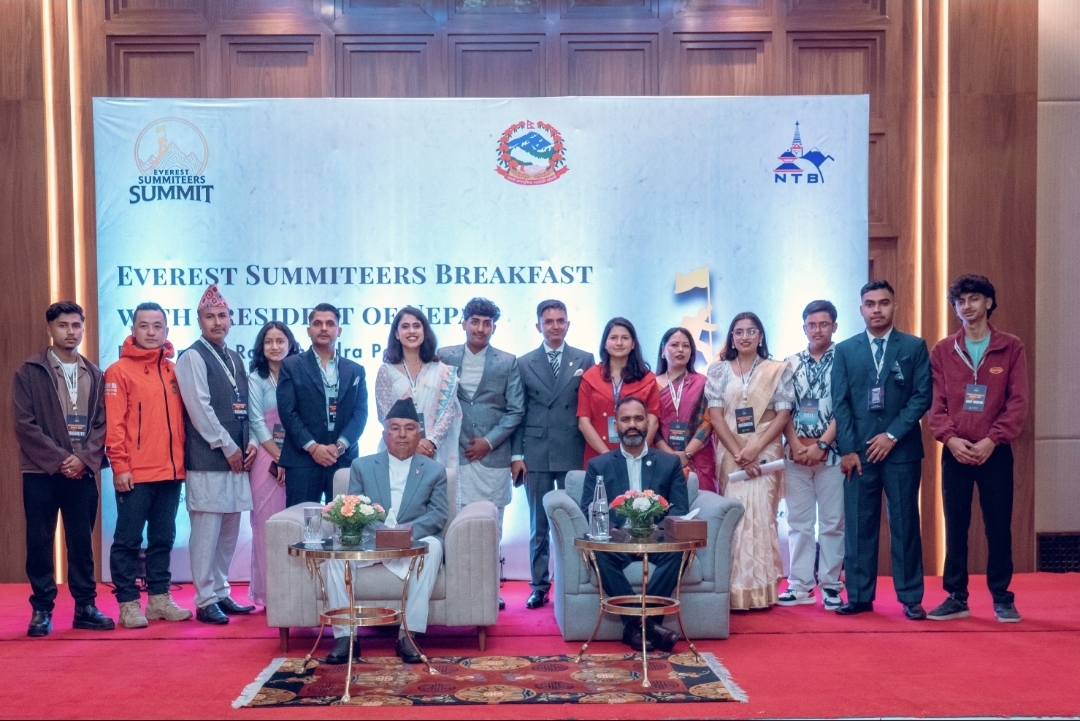
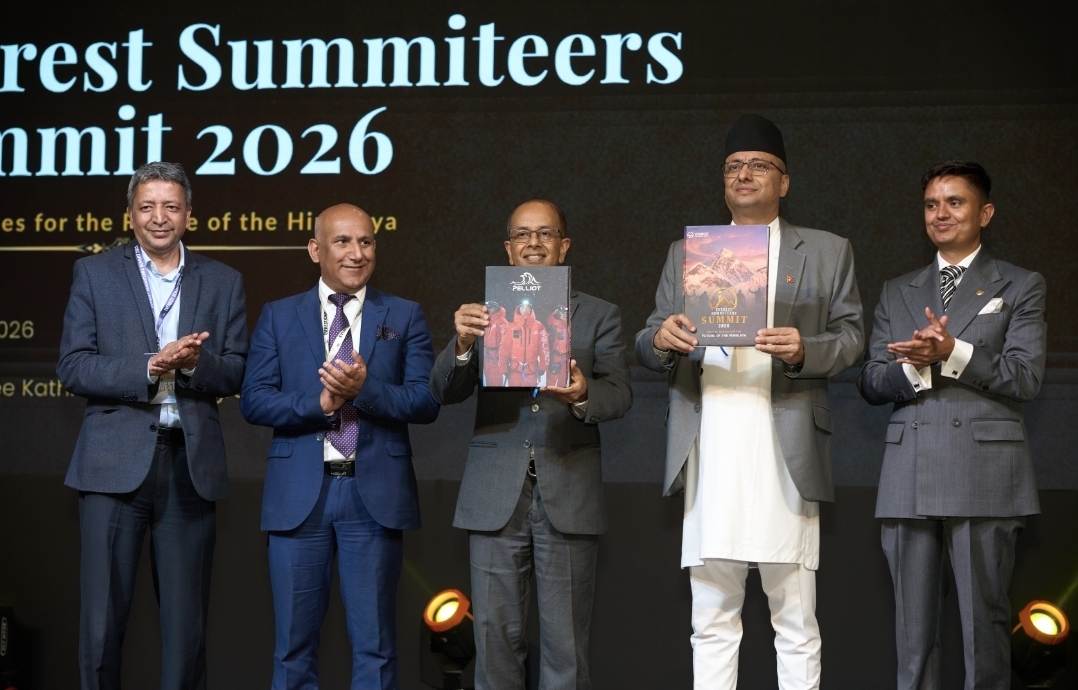
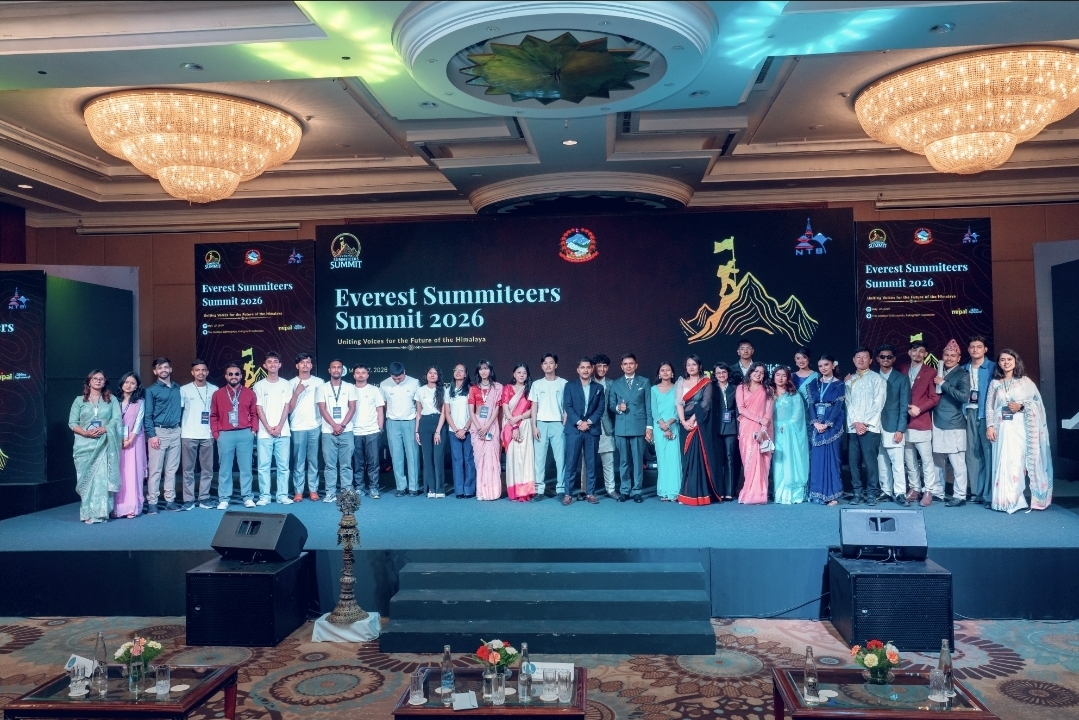
The Everest Summiteers Summit, held on May 27 at the Soaltee Hotel in Kathmandu, was organised by Everest Alliance Nepal and attended by President Ram Chandra Paudel, Culture, Tourism and Civil Aviation Minister Khadak Raj Poudel and senior figures from the mountaineering sector. Despite the high-profile attendance, a complaint filed at the CIAA alleged that the event was built on a series of serious irregularities — including misrepresentation as a government body, solicitation of Chinese funds deposited in foreign accounts, illegal fee collection from participants, and unauthorised distribution of summit certificates.
NMA: two years of refused requests, then a duplicate event
The NMA's reply to the DoT — dated Ashadh 25 and addressed to the Director General — revealed that Everest Alliance Nepal had approached the association repeatedly over two years, seeking NMA endorsement and requesting that its event be certified as a national or government-recognised programme. The NMA refused on every occasion.
The NMA holds that its own World Summiteers Summit — organised jointly with the Ministry of Tourism, the DoT and Nepal Tourism Board — is the only authorised national programme of this nature. It described the Everest Summiteers Summit as a direct duplicate designed to mislead climbers and the international tourism sector. Beyond the reputational concern, the NMA raised three specific legal objections: that distributing summit certificates without DoT verification is illegal; that channelling funds solicited under the banner of a government programme into private accounts constitutes financial irregularity; and that copying the name and format of an officially sanctioned national programme amounts to intellectual property infringement.
Founded in 1973 and affiliated with the UIAA, UAAA, IMMA, IMTA, UIAGM and UMLA, the NMA holds government authority to issue climbing permits for 27 trekking peaks and is Nepal's apex mountaineering institution. It copied its reply to the Ministry of Tourism, NTB and relevant international bodies.
EOAN: not our member, not our business
EOAN's reply was briefer but equally clear — Everest Alliance Nepal is not a registered member of the association, and EOAN has no information about its activities. The association asked the DoT to provide details of the company's registered operational scope before any further assessment.
EAN pushes back
Everest Alliance Nepal Chairman Sudarshan Nepal rejected the allegations outright, saying the organisation had received no formal communication from either the CIAA or the DoT. "EAN followed all legal procedures to host the summit, which promotes Nepal's adventure tourism in the world market," he said, pointing to the presence of the President and senior government ministers as evidence of the event's legitimacy and standing.
Why it matters for Nepal's tourism sector
The dispute cuts to a fundamental question about who has the authority to convene, certify and commercially monetise events tied to Nepal's mountaineering heritage — and what happens when private entities operate in that space without recognised mandate.
For the tourism trade, the concern is practical as well as reputational. If summit certificates can be distributed by unrecognised private bodies, and if funds raised in the name of Nepal's Everest brand can be channelled outside official frameworks, the integrity of the certification system that underpins Nepal's high-altitude tourism industry is at stake. The NMA has made clear it considers such conduct damaging to Nepal's standing in the international mountaineering community.
With the matter now formally before the DoT and CIAA, the industry will be watching closely for how — and how quickly — the regulatory response unfolds.
Comment