The Tourism Times | Breaking tourism-related news from Nepal and beyond
°C
T3 Special
TAAN seeks separate chapter for trekking tourism in new Tourism Act
By
Tourism Times
Published at : 25 Aug 2026, 4:13 PM
KATHMANDU: The Trekking Agencies' Association of Nepal (TAAN) has called for a separate chapter on trekking tourism in the proposed Tourism Act, seeking stronger legal protection for trekking trails and mandatory safety and welfare provisions for trekkers and tourism workers.
TAAN President Sagar Pandey made the demand while presenting the association's feedback on the draft Tourism Act at a meeting of the International Relations and Tourism (IRT) Committee of the Federal Parliament on Monday.
Pandey urged the committee to recognise and protect trekking trails, require trekking and adventure activities to operate through government-registered agencies and licensed guides, and establish mechanisms to monitor and control illegal trekking operations.
TAAN has proposed a dedicated chapter containing provisions on the designation, classification, opening and protection of trekking destinations and trails. It has also proposed that trekking routes with national or international significance in terms of historical, cultural, natural, biological and economic value could be declared national trekking trails.
The association has proposed mandatory arrangements for licensed trekking guides and support workers, including insurance covering personal accidents, medical treatment, search and rescue.
Under the proposal, trekking agencies would be responsible for coordinating search, rescue and treatment of trekkers who become ill, injured or missing, as well as arrangements following a death.
TAAN has also proposed establishing a Trekking Workers Welfare Fund to support the social security, search and rescue, medical treatment and crisis management needs of workers involved in trekking.
The proposed provisions also seek to make trekking agencies responsible for providing guides and support workers with necessary safety and communication equipment, clothing and gear.
TAAN has proposed penalties for agencies involved in fraudulent rescue or treatment operations and restrictions on foreign individuals or agencies that directly or indirectly sell trekking packages in Nepal.
Pandey highlighted trekking tourism's contribution to foreign-exchange earnings, government revenue and employment.
According to figures presented by TAAN, around 300,000 international visitors and 200,000 SAARC nationals undertake trekking in Nepal, with visitors staying between seven and 25 days.
The association estimates that trekking corridors generate around 300,000 direct and 200,000 indirect jobs and have prospective foreign-exchange earnings of about Rs 69 billion, including estimated lost foreign exchange.
TAAN has estimated package revenue at around Rs 10.25 billion, including lost revenue, based on an average package cost of $1,200 for international visitors and $500 for SAARC nationals.
Other mountain tourism stakeholders, including Department of Tourism Director General Ram Krishna Lamichhane, Nepal Tourism Board member Pemba Sherpa, and representatives of the Nepal Mountaineering Association, Hotel Association of Nepal, Expedition Operators Association, Nepal National Mountain Guide Association and Sagarmatha Pollution Control Committee also presented their views on the draft law.
IRT Committee members Dr Dhananjaya Regmi, Mingma David Sherpa and others said the committee would consider the genuine concerns raised by stakeholders.


 °C
°C 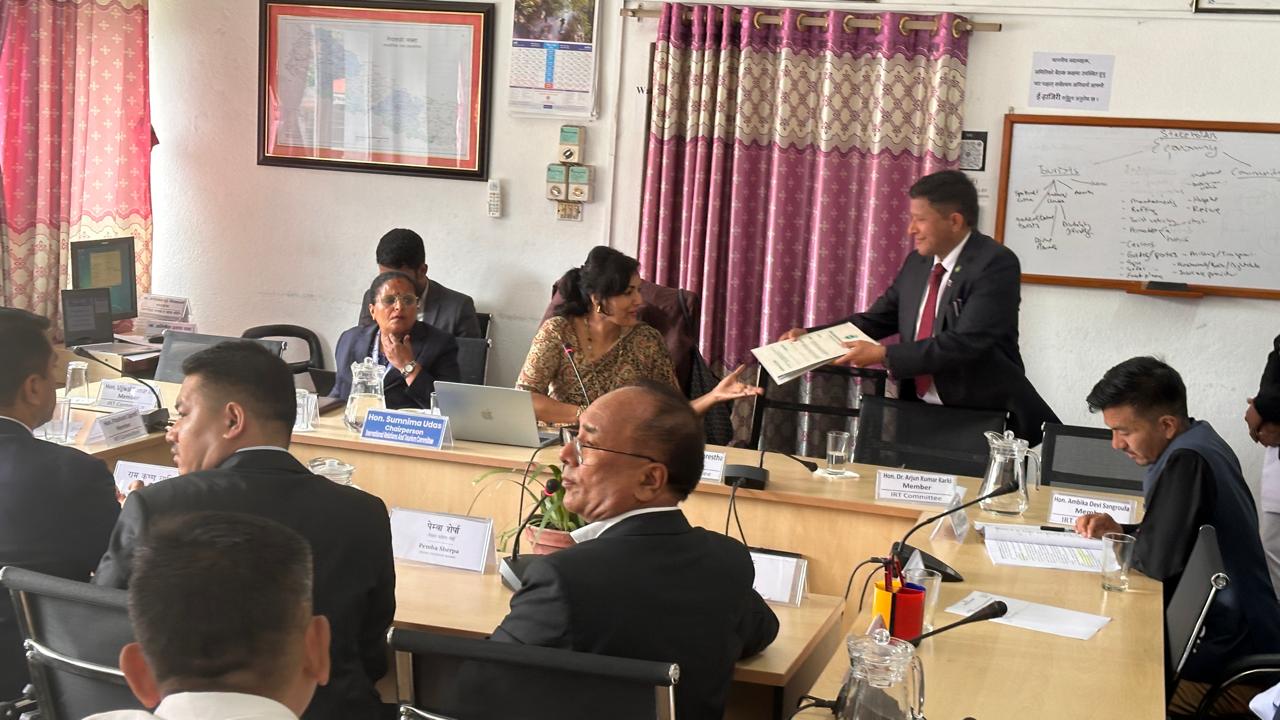



Comment