The Tourism Times | Breaking tourism-related news from Nepal and beyond
°C
T3 Special
Nepal unveils new Tourism Policy
By
Tourism Times
Published at : 29 Jul 2025, 2:30 PM
KATHMANDU: The Ministry of Culture, Tourism and Civil Aviation has unveiled its new Tourism Policy 2025, marking the first comprehensive update to the nation’s tourism framework in 17 years.
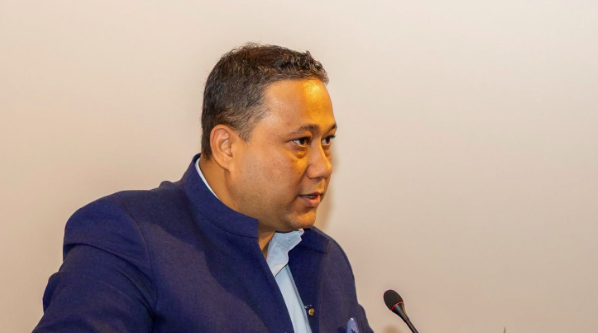
Unveiled by Minister for Tourism Badri Prasad Pandey today, the policy aims to position Nepal as an attractive global destination by promoting adventure, wellness, educational, and film tourism while fostering private-sector collaboration.
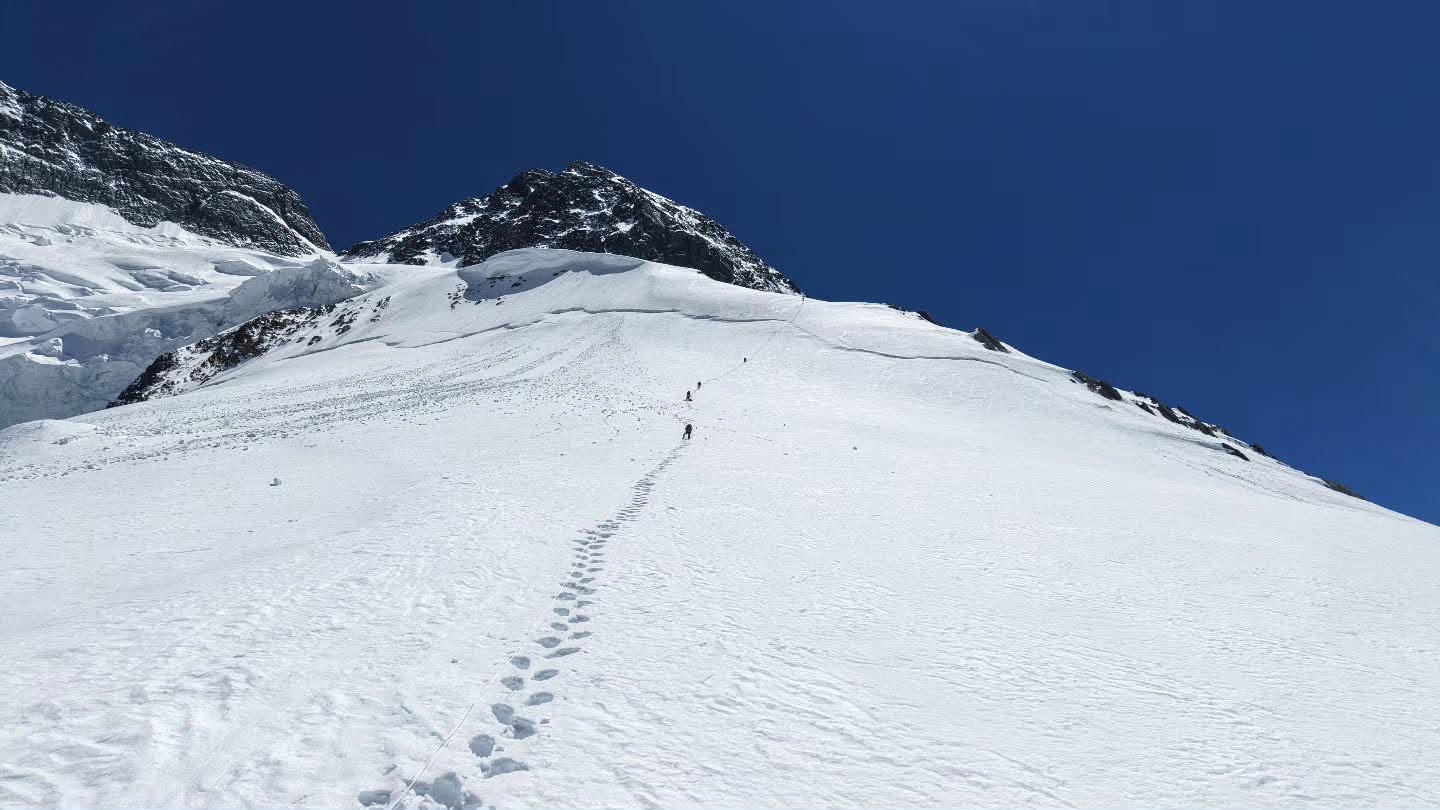
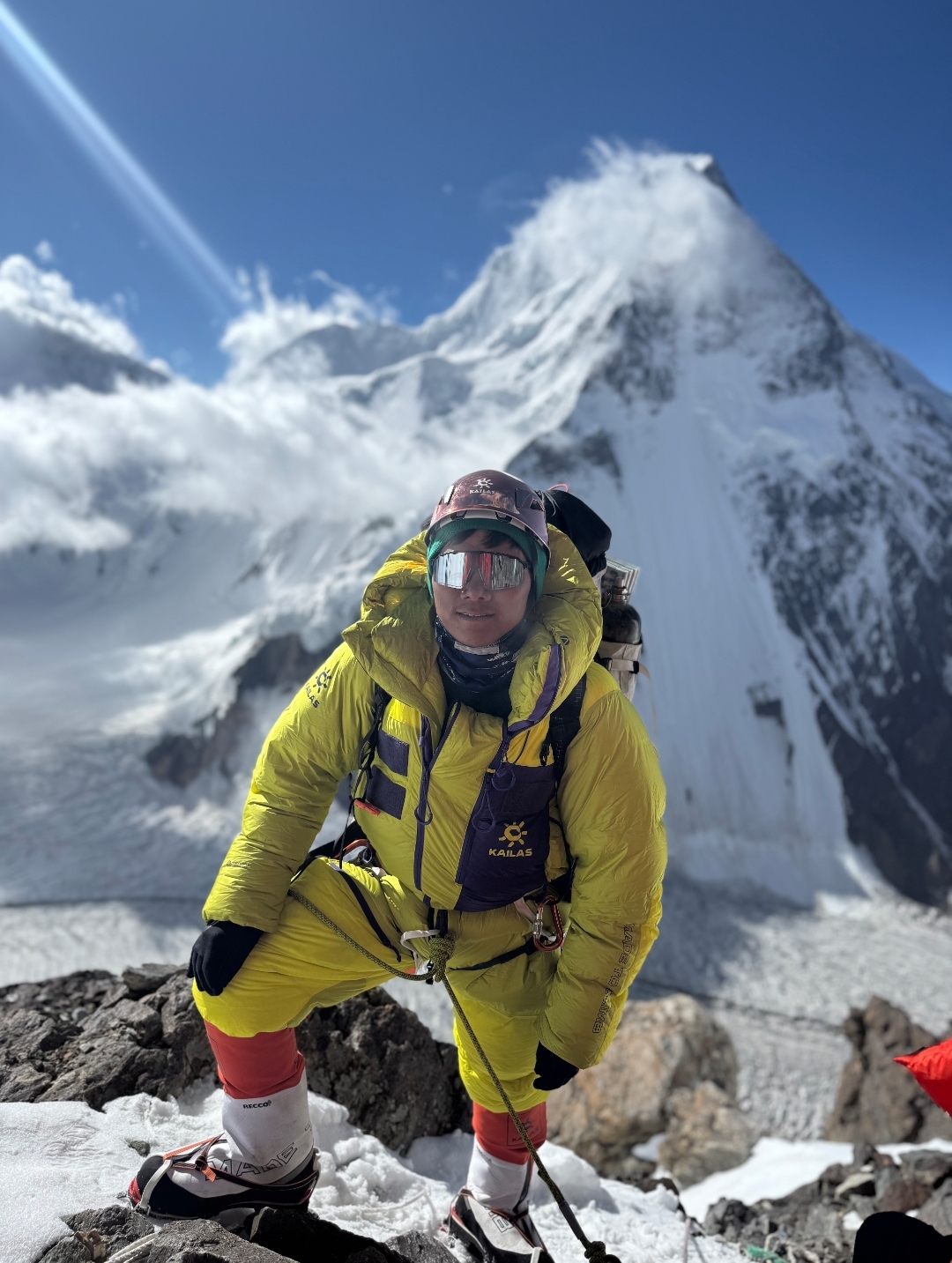
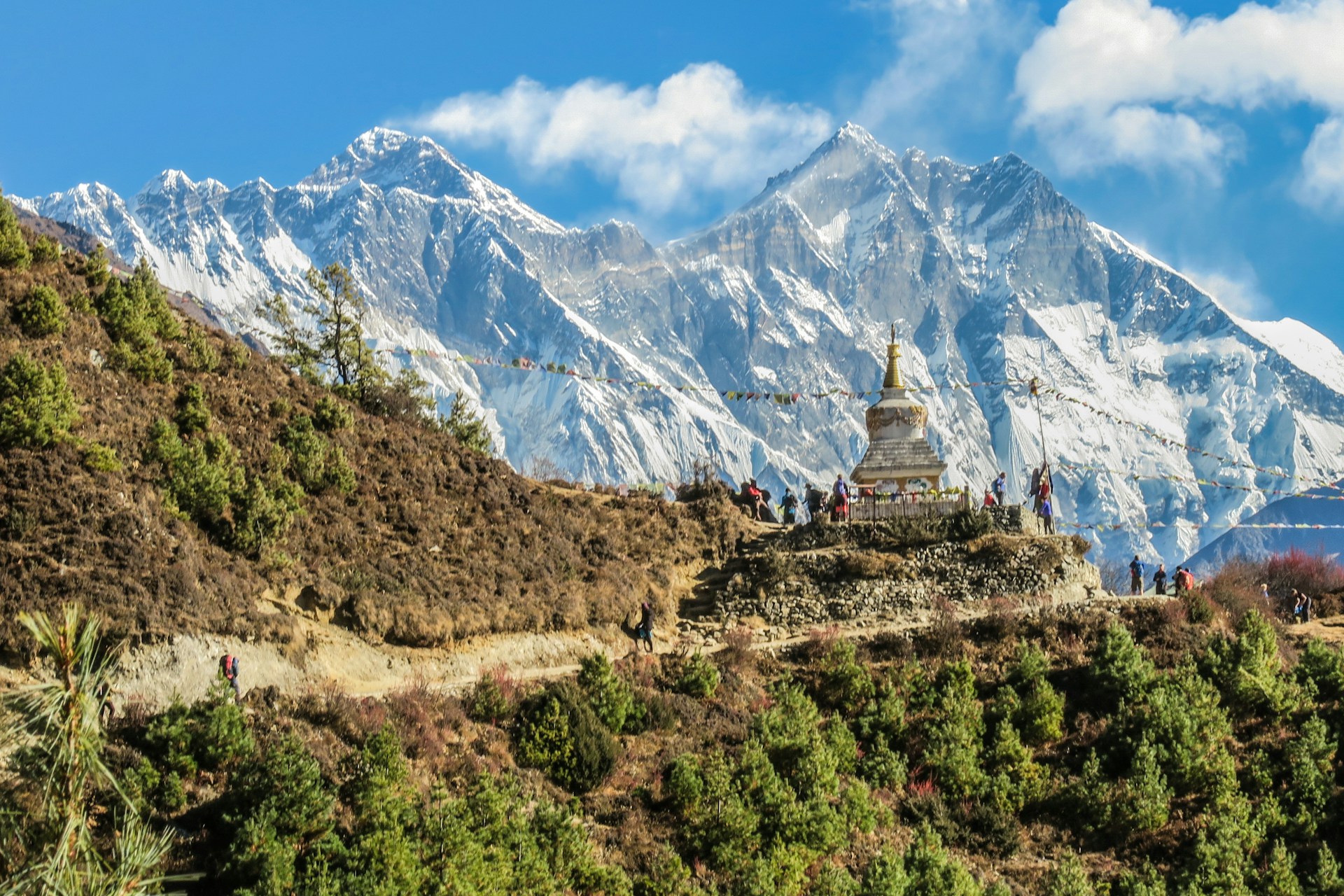
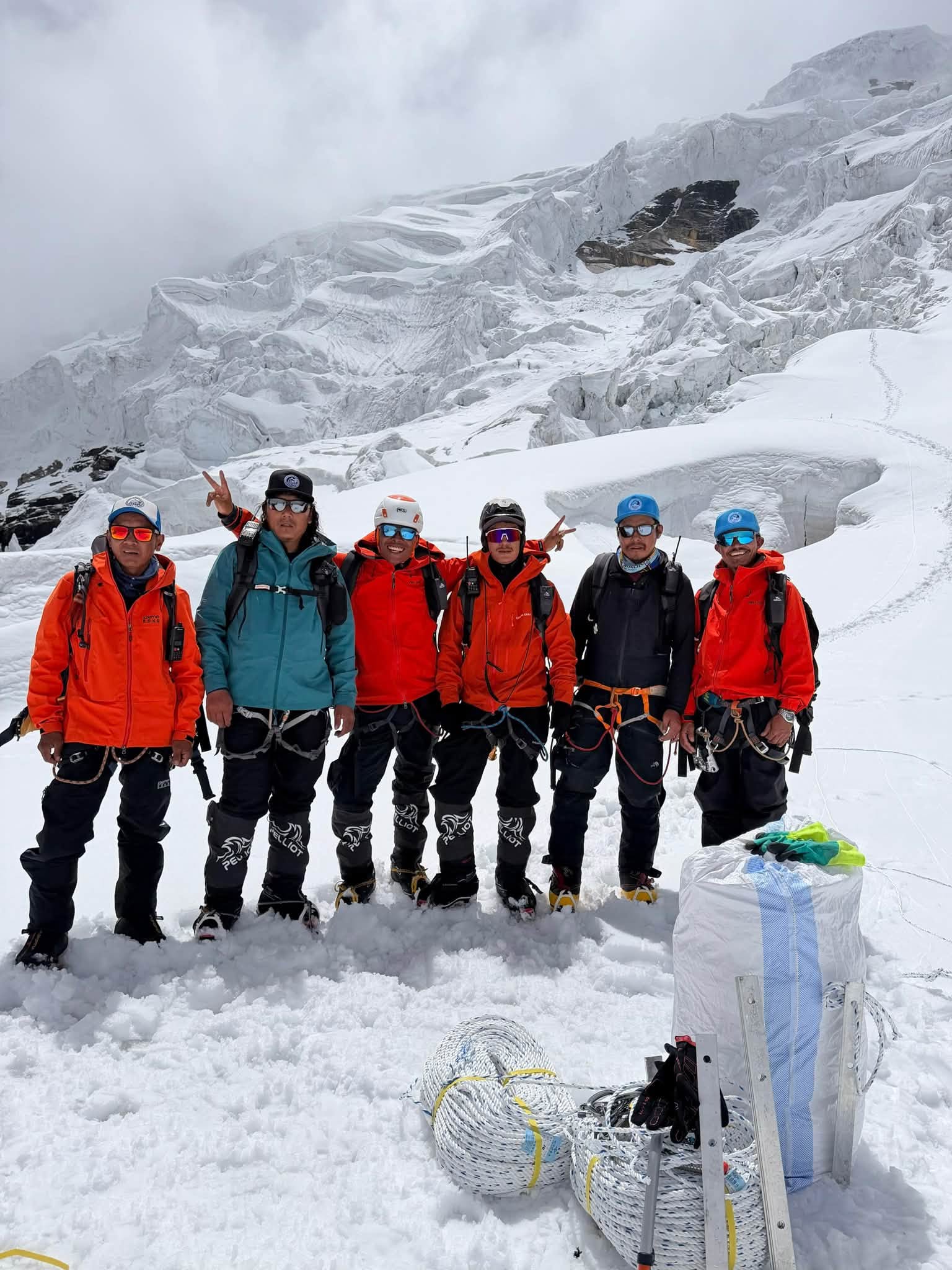
The policy introduces a wide range of initiatives to diversify and enhance Nepal’s tourism offerings. The ministry has prioritised the development and promotion of adventure tourism, with plans to promote activities such as mountaineering, trekking, canyoning, white-water rafting, skydiving, bungee jumping, paragliding, high-altitude skiing, mountain biking, high-altitude motorbike riding, zip-lining, rock climbing, and sky ballooning to attract adventure enthusiasts from around the world.
To cater to the growing demand for wellness tourism, the policy emphasises the promotion of traditional and natural healing practices, meditation, yoga, and wellness programmes through partnerships with relevant organisations. Religious tourism will be enhanced by developing spiritual destinations into interconnected circuits, while educational tourism will be boosted by strengthening university capacities to attract international students, according to the ministry.
In a bid to position Nepal as a hub for international film production, the policy encourages the construction of world-class studios to facilitate the filming of international movies. Additionally, authentic Nepali cuisine will be promoted nationally and internationally to showcase the country’s rich culinary heritage.
To ensure year-round tourism, the policy outlines the development of regional tourism and improved quality of tourism services and products through diversification and innovation.
The policy also aims to simplify processes for tourists by allowing service fees to be paid in foreign currency or Nepali rupees, as per Nepal Rastra Bank guidelines, with options for online payments. Visa procedures will be streamlined, including the introduction of online visa issuance. To facilitate land-based tourist arrivals, integrated tourism service centres will be established at major border entry points in collaboration with provincial governments.
In a significant move to support international events and film production, athletes participating in global sports events and actors filming in Nepal will be exempt from visa fees. The tourism industry will also receive facilities and incentives equivalent to other priority sectors, ensuring robust growth and development.
Minister Pandey highlighted that the policy opens new avenues for private-sector partnerships, fostering innovation and investment in Nepal’s tourism industry.
“We want the private sector to move forward with confidence. The government is ready to coordinate, but results depend on the private sector’s leadership,” he said.
Joint Secretary Indu Ghimire of the ministry, in her presentation, outlined the policy’s objectives and priorities, emphasising the need for timely reforms to enhance tourism’s contribution to Nepal’s economic growth. She noted that the policy incorporates measures to promote sustainable tourism practices and position Nepal as a premier global destination.
In addition, a National Tourism Council will be formed under the chairmanship of the ministry to guide the implementation of the policy and coordinate inter-agency and inter-level activities.


 °C
°C 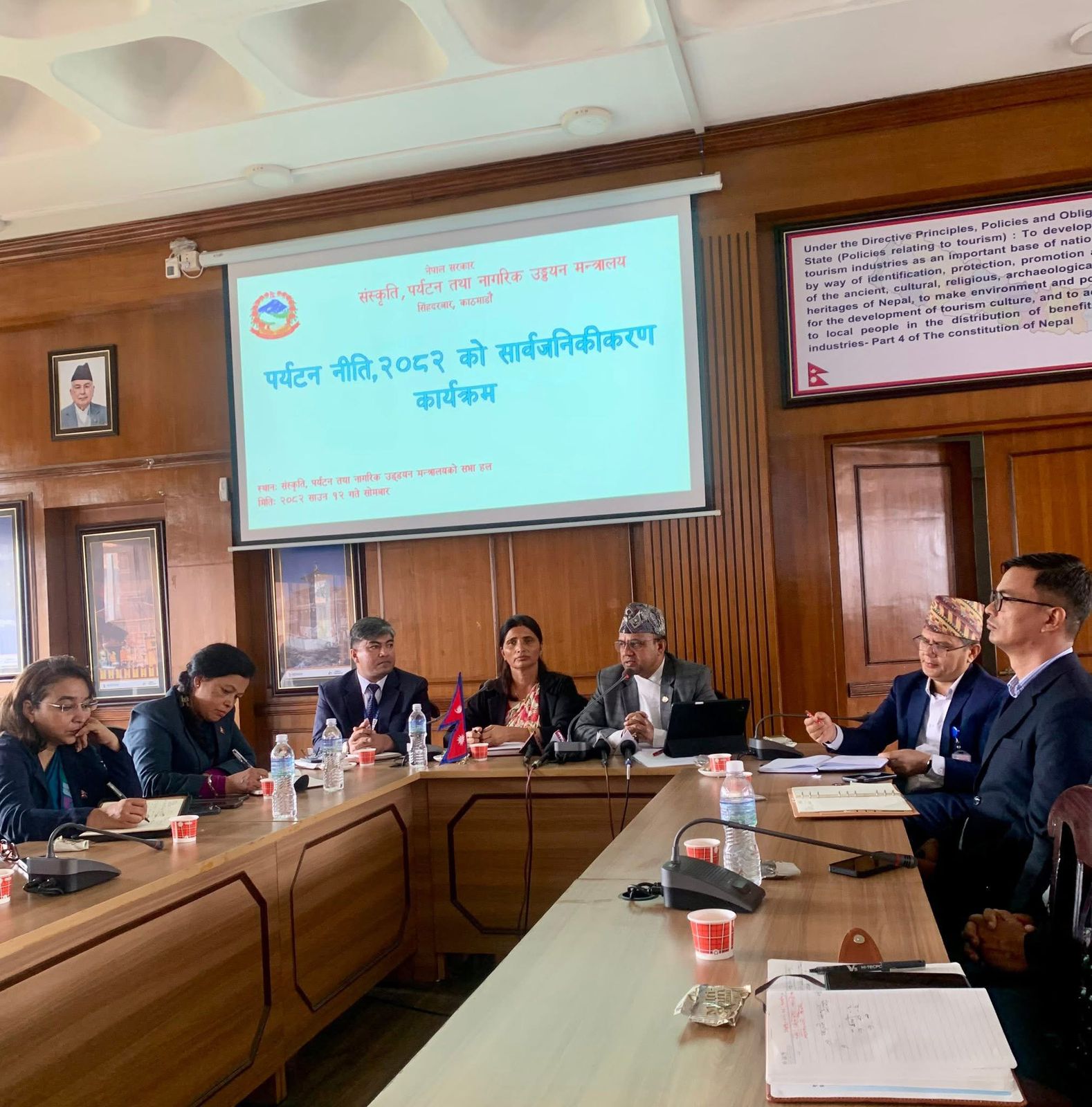

Comment