By
Tourism Times
Published at : 3 Apr 2026, 5:46 PM
Nepal Mountaineering Association calls allegations "unimaginable," urges government probe and tighter rescue oversight
KATHMANDU: Nepal's Central Investigation Bureau (CIB) has pushed back against international and national media reports claiming that guides in the Everest region were deliberately poisoning tourists' food to engineer fake helicopter rescues, saying investigations so far have found no evidence of food adulteration and warning that the spreading of such unverified claims is illegal.
In a press release issued on Friday, the CIB acknowledged that it has been investigating fake rescue incidents in the Everest region but said that reports linking the scam to deliberate food poisoning — carried widely by national and international media outlets and on social media — are "extremely misleading and baseless." The bureau requested all media organisations and social media pages to refrain from publishing or disseminating such unverified content, noting that doing so constitutes an unlawful act.
The fake rescue scam has roots stretching back years. Following media coverage of fake rescue flights involving mountaineers and trekkers, the Ministry of Culture, Tourism and Civil Aviation formed an investigation committee in 2018 under the leadership of Joint Secretary Ghanshyam Upadhyay. The committee at the time recommended that the Ministry of Home Affairs investigate the matter for organised crime and fraud — but despite the recommendation passing through the Home Ministry to the police, the investigation stalled and failed to progress.
Six years later, the CIB finally launched a formal investigation into the fake helicopter rescues involving tourists and trekkers. Police submitted a 1,243-page report to the government attorney's office, concluding that the fake rescue flights had defrauded insurance companies and damaged Nepal's national reputation. Police recommended 33 individuals be named as defendants. Charges have been filed against only 32 of the 33 individuals recommended by police at the Kathmandu District Court.
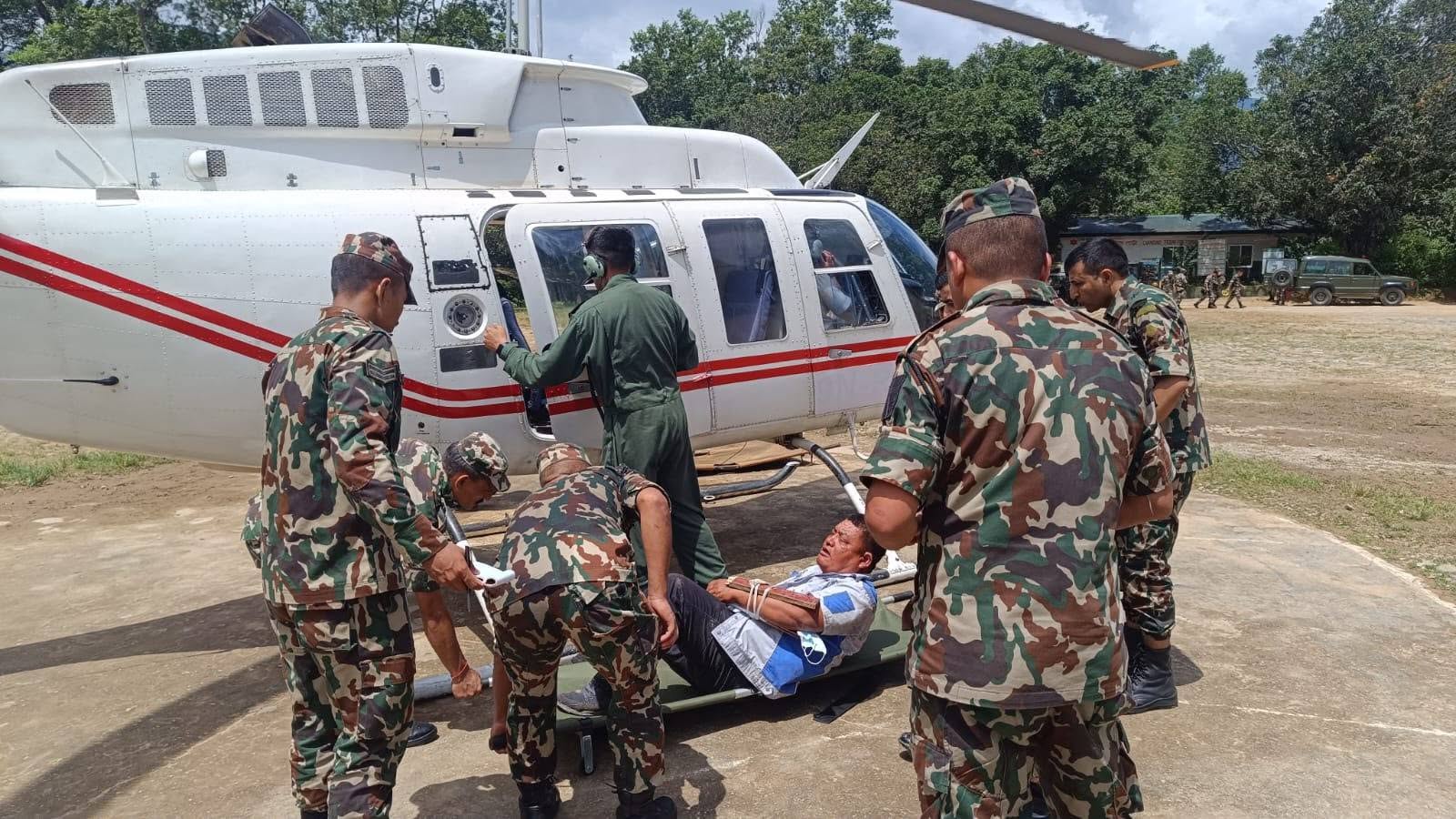
The fake rescue scam centres on allegations that some guides and helicopter companies colluded to stage or exaggerate medical emergencies to trigger unnecessary and costly helicopter evacuations, with insurance companies bearing the financial burden. Arrests have already been made in connection with the investigations. Earlier on January, CIB arrested six senior executives from three prominent travel and mountain rescue companies.
The claim that guides were mixing toxic substances into tourists' food to make them genuinely ill — and thereby make the rescues appear more convincing — is what the CIB says remains unproven, and it has urged media to stop amplifying this specific allegation.
The Nepal Mountaineering Association (NMA) has also weighed in, expressing deep concern over media reports alleging food poisoning and misuse of altitude medication Diamox during Everest expeditions. In a press release dated April 3, NMA President Fur Gelje Sherpa called such acts "unimaginable to all expedition operators," stressing that Nepal has for decades served as the world's leading and most trusted mountaineering destination.
The NMA said that unverified reports of this nature, emerging at the start of the spring climbing season, risk seriously damaging Nepal's global reputation and the livelihoods of thousands of guides, entrepreneurs, and climbers who depend on the sector. The association reaffirmed its welcome to all climbers for the current season and encouraged anyone encountering unethical behaviour from a service provider to report it immediately through their liaison officer to the NMA, the Ministry of Tourism, or Nepal Police.
The NMA also called on the government to ensure strict regulation and monitoring of insurance and rescue operations, including clear and transparent procedures for insurance claims and helicopter evacuations. It urged the government to conduct a thorough investigation, take action against any responsible parties, and strengthen regulatory mechanisms across the industry.
Raj Gyawali, tourism expert and founder of Social Tours, weighed in on the controversy on social media, urging both the industry and travelers to maintain perspective without minimising the seriousness of what did occur.
"The scams are real. They did happen. But this is not how most companies or guides operate," he wrote, adding that even a single incident is unacceptable. He noted that action is being taken at pace under the new government and that the "clean-up has clearly begun."
Gyawali was emphatic that helicopters themselves are not the problem. "In remote mountains, they save lives. They make adventure travel safer and more accessible. This is one of Nepal's strengths. The issue is misuse — and that is now being addressed."
He advised travelers to ask clear questions before booking — including about safety protocols, rescue SOPs, guide insurance, and when helicopters are called — and to walk away from companies that cannot answer clearly. He also cautioned against choosing the cheapest option in adventure travel, where low prices often indicate corners being cut.
“The ongoing global discussion and complaints regarding so-called “fake helicopter rescues” are having a serious and negative impact on Nepal’s tourism sector. This issue has raised significant concerns about the country’s image and credibility, which is deeply worrying," Dawa Sherpa, who runs Ticino Treks and Expedition, shared.
“However, it should be noted that such unethical practices are not carried out by all individuals or trekking companies. Many companies and professionals are working honestly, responsibly, and in full compliance with regulations. Therefore, it would be unfair to judge the entire sector based on the actions of a few,” he added.
"The Government of Nepal must bring those individuals and organizations involved in fake rescue activities under legal accountability and take strict action against them. At the same time, it is essential to establish clear, effective, and strictly enforced legal frameworks to prevent such unethical practices in the future.” Sherpa added that, these activities have directly affected honest tourism entrepreneurs, placing them in increasingly difficult situations. This is also an area that requires serious attention from the concerned authorities. “To protect the credibility of Nepal’s tourism industry and ensure its sustainable development, it is crucial for all stakeholders to work together and take responsible actions.”
The story's traction in international media — amplified by the unverified food poisoning angle — has raised concerns within Nepal's tourism industry about reputational damage at a sensitive moment. The spring climbing and trekking season is now fully underway, and Nepal has only recently had its US travel advisory downgraded from Level 3 to Level 2 following months of political instability.
Industry voices have stressed that the fake rescue problem, while real and serious, represents the conduct of a minority and should not be allowed to define Nepal's broader reputation as one of the world's premier adventure travel destinations.
As Gyawali put it: "Nepal remains one of the best places in the world for mountain travel — safe, accessible, and increasingly accountable."


 °C
°C 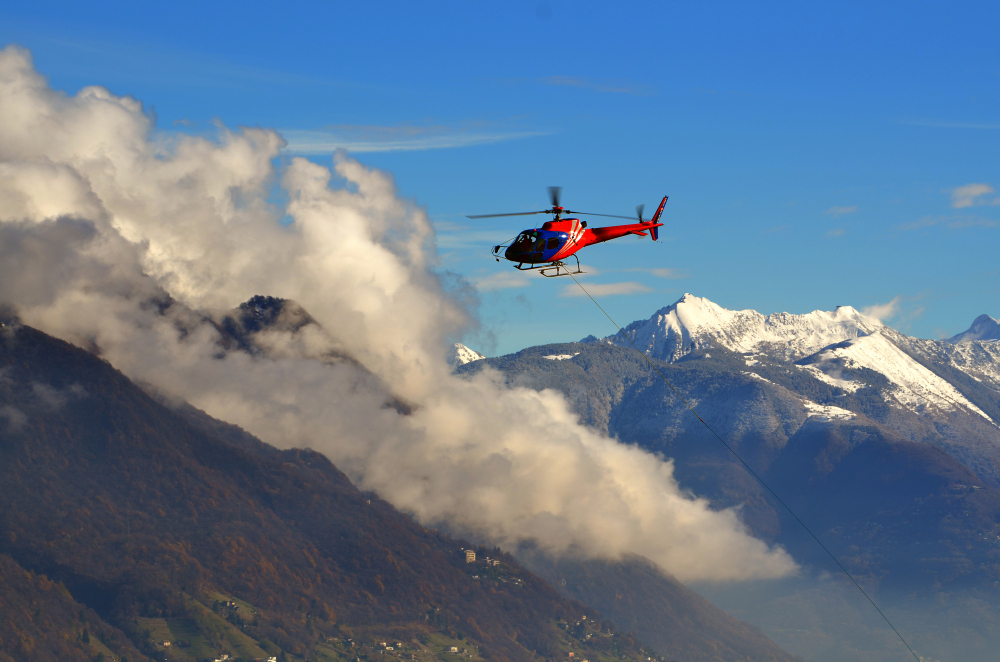
Comment