The Tourism Times | Breaking tourism-related news from Nepal and beyond
°C
T3 Special
Global ice loss expanding rapidly, but scientists say there’s still time to act
Abrupt Permafrost Thaw Peel Plateau Canada. Photo: Credit: Scott Zolkos
By
Tourism Times
Published at : 9 Nov 2025, 12:44 PM
KATHMANDU: Global ice loss is accelerating at an alarming rate, with glaciers, sea ice, and polar ice sheets melting faster than ever before, according to the State of the Cryosphere Report 2025 released this week. The report warns that the damage is still preventable—but only if immediate and drastic emission cuts begin now.
Coordinated by the International Cryosphere Climate Initiative (ICCI) and authored by more than 50 leading scientists, the report highlights that even current warming levels of 1.2°C threaten the long-term stability of glaciers and ice sheets. At just 1°C, many mountain glaciers are already at risk, while sustained warming of 2°C could erase nearly all ice in regions such as the European Alps and North America’s Rockies.
“Landmark science published in 2025 shows beyond doubt that even current temperatures are too high to maintain the long-term stability of glaciers and ice sheets,” said Dr. James Kirkham, Chief Scientist for the Ambition on Melting Ice initiative. “Preserving the Earth’s cryosphere now means reaching 1.5°C by 2100 and lowering temperatures toward 1°C thereafter.”
The report also warns that meltwater from Greenland and Antarctica may already be slowing key ocean currents, potentially bringing colder temperatures to northern Europe and disrupting global marine ecosystems. Ocean acidification has reached critical levels in the Arctic and Southern Oceans, with severe consequences for marine life.
ICCI Director Pam Pearson emphasized that the crisis remains solvable if governments act decisively. “The best and worst part of these findings is that none of this damage is necessary. We have all the tools to change—now we just need to use them.”
The findings were released ahead of COP30, currently taking place in Belém, Brazil, where world leaders are reviewing their latest climate commitments. Scientists say the decisions made at COP30 could determine whether the world faces three meters of sea-level rise next century—or three thousand years from now.


 °C
°C 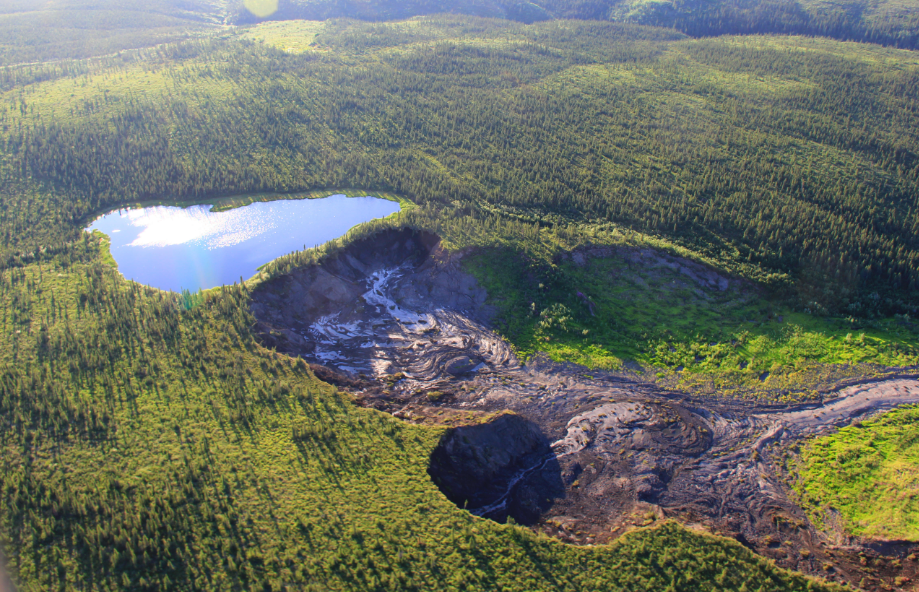



Comment