The Tourism Times | Breaking tourism-related news from Nepal and beyond
°C
T3 Special
Chitwan National Park: Where Nepal's wildlife story comes alive
By
Tourism Times
Published at : 20 Mar 2026, 5:31 PM
KATHMANDU
Established in 1973 as Nepal's first national park and designated a UNESCO World Heritage Site in 1984, Chitwan National Park remains the crown jewel of Nepal's nature tourism — and the numbers confirm it is drawing more visitors than ever.
Sprawling across 952.63 square kilometres of subtropical lowland in the Terai, Chitwan sits at the heart of the larger Terai Arc Landscape, one of Asia's most biologically rich ecosystems. Its forests, grasslands and river systems shelter 68 species of mammals, 544 species of birds, 56 species of reptiles and amphibians and 126 species of fish — a concentration of biodiversity that places it among the finest wildlife destinations on the planet.
The wildlife Chitwan's greatest draw remains the greater one-horned rhinoceros — one of Asia's most endangered megafauna and the symbol of one of conservation's great success stories. Nepal has grown its rhino population steadily over decades through rigorous anti-poaching measures, community engagement and habitat management, and Chitwan is where visitors are most likely to encounter these prehistoric giants at close quarters.
The park's Bengal tiger population is equally celebrated. Chitwan consistently ranks among the best places in the world to observe tigers in the wild, and sightings — while never guaranteed — are far more frequent here than at most comparable destinations. Elephants, sloth bears, leopards and the extraordinarily rare gharial crocodile complete a roster of flagship species that few wildlife destinations anywhere can rival.
For birdwatchers, Chitwan borders on the extraordinary. Its 544 recorded species include the endangered Bengal florican, giant hornbill, lesser adjutant stork and scores of migratory species that pass through the Terai each season — drawing ornithologists from across the world.
The experience Chitwan offers far more than a wildlife drive. Jeep safaris and guided walks through sal forests and tall grasslands bring visitors into direct contact with the park's natural rhythms. Canoe rides along the Rapti and Narayani rivers offer intimate encounters with gharials and Gangetic dolphins drifting past ancient riverbanks. Cultural immersions in the indigenous Tharu community — whose homeland this has been for generations — add a human dimension that enriches every visit.
The park's buffer zone community forests play a growing role in this experience, offering homestays, community-led nature walks and sustainable livelihood opportunities for local residents that make tourism here a direct force for conservation and community well-being.
Chitwan is among Nepal's most accessible major destinations — approximately five hours by road from Kathmandu or a short domestic flight to Bharatpur Airport — making it an ideal short break or natural complement to a Kathmandu and Pokhara itinerary.
The numbers The latest arrival figures reflect Chitwan's enduring and growing appeal. In the first eight months of fiscal year 2025/26, the park and its buffer zone community forest welcomed 168,695 visitors — up from 156,283 during the same period last year, a net increase of 12,412.
Domestic tourism has been the primary engine of growth. Nepali visitors reached 104,096, a sharp rise from 81,246 the previous year — an increase of nearly 23,000 — reflecting a broader national trend of Nepalis increasingly choosing to explore their own natural heritage. International arrivals stood at 55,055 from non-SAARC countries and 9,544 from SAARC nations, compared to 60,830 and 14,207 respectively in the same period last year.
The rise in footfall has driven strong revenue performance. The park generated over Rs 175 million in the eight-month period, with eco-tourism contributing the largest share and additional income from forest products, penalties and other sources flowing directly back into conservation and community programmes.
Why it matters For the international traveller, Chitwan offers something increasingly rare — a landscape where nature has been genuinely protected, where wildlife thrives in numbers, and where tourism and conservation reinforce rather than undermine each other. Nepal's decades of investment in protecting its Terai ecosystem have created a destination that rewards visitors with experiences of authentic and lasting value.
A visit to Chitwan is not simply a holiday. It is an encounter with one of Asia's last great wildlife frontiers — and a contribution to keeping it that way.
Chitwan National Park is located in Chitwan district across Bagmati and Lumbini provinces, approximately 150 kilometres south of Kathmandu.


 °C
°C 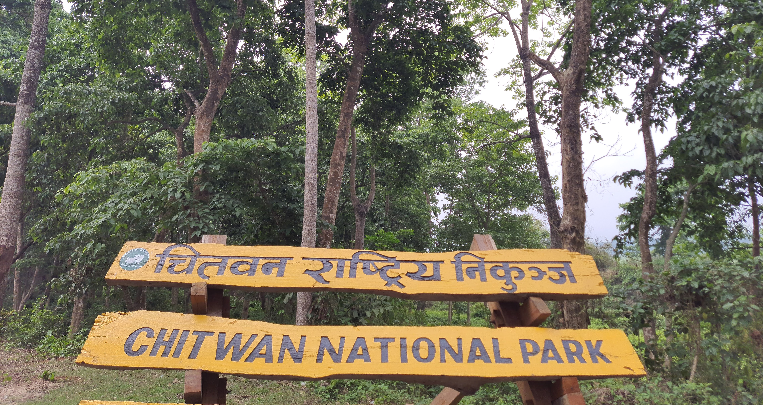








Comment