The Tourism Times | Breaking tourism-related news from Nepal and beyond
°C
T3 Special
2026 Nepal elections: What major parties pledge for tourism in their manifestos
By
Tourism Times
Published at : 25 Feb 2026, 4:55 PM
With elections scheduled for March 5, The Tourism Times examines what Nepal's major political parties are promising for the country's tourism sector
KATHMANDU: As Nepal heads to the polls on March 5, tourism, one of the country's most vital economic sectors, has emerged as a prominent theme across party manifestos. From ambitious arrival targets and aviation reforms to wellness branding and digital permit systems, parties have outlined competing visions to reposition Nepal in the global tourism market. Here is what each has promised:
RSP: Digital reform, mountain regulation and regional diversification
The Rastriya Swatantra Party (RSP) has set itself apart with some of the most detailed and specific tourism commitments in its manifesto, unveiled from Surkhet, the capital of Karnali Province.
At the headline level, RSP has pledged to double both tourist arrivals and per capita tourist spending within five years while extending the average length of stay. It plans to move beyond trekking-focused tourism by integrating nature, culture and community into a broader ecosystem approach, with a particular emphasis on Karnali and Sudurpaschim, two regions historically underserved by Nepal's tourism economy. Where roads have displaced traditional trekking trails, the party proposes developing alternative routes to preserve the trekking experience.
One of its more distinctive proposals is a one-door digital tourism system that would bring immigration, trekking permits, national parks, heritage sites and associated fees onto a single national platform, reducing both time and costs for visitors.
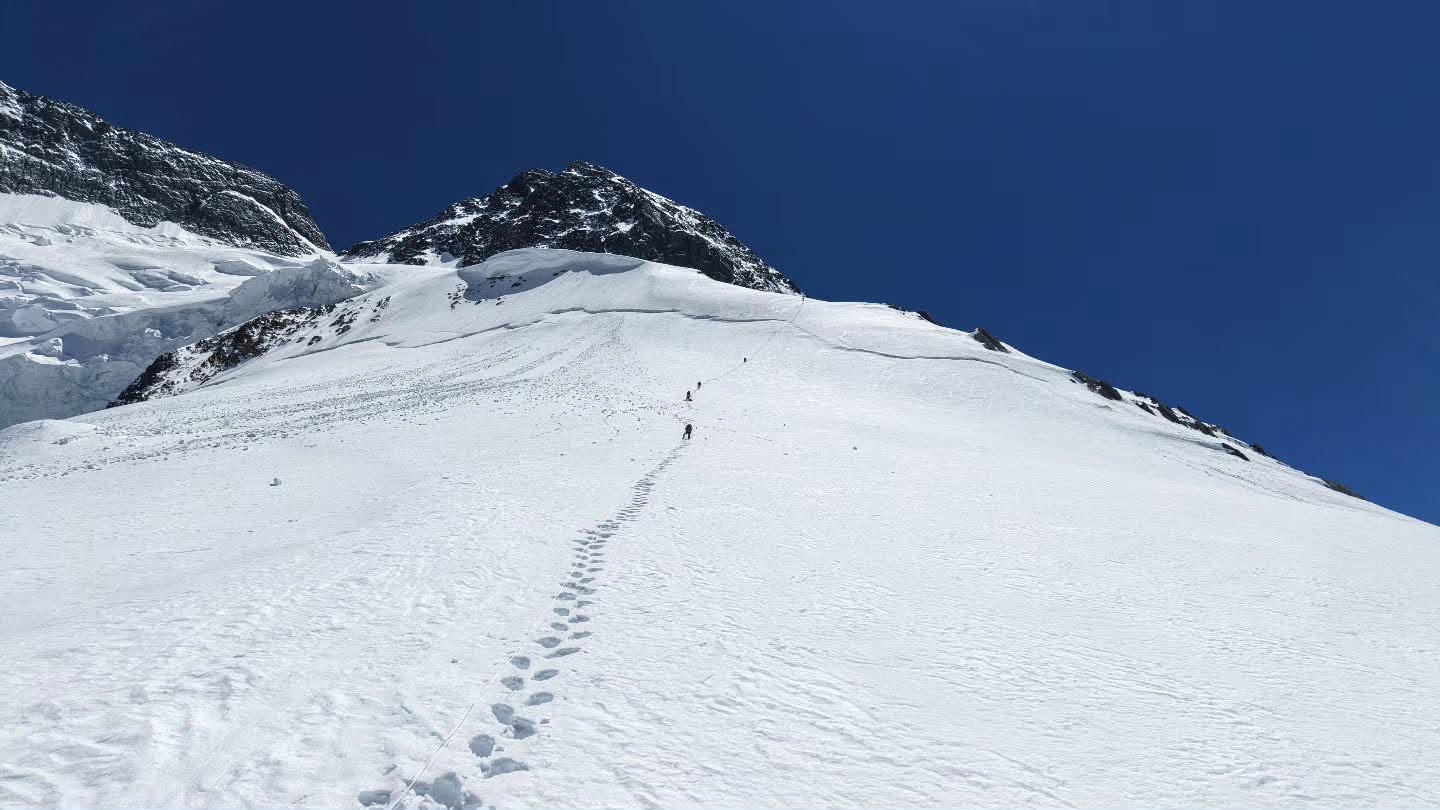
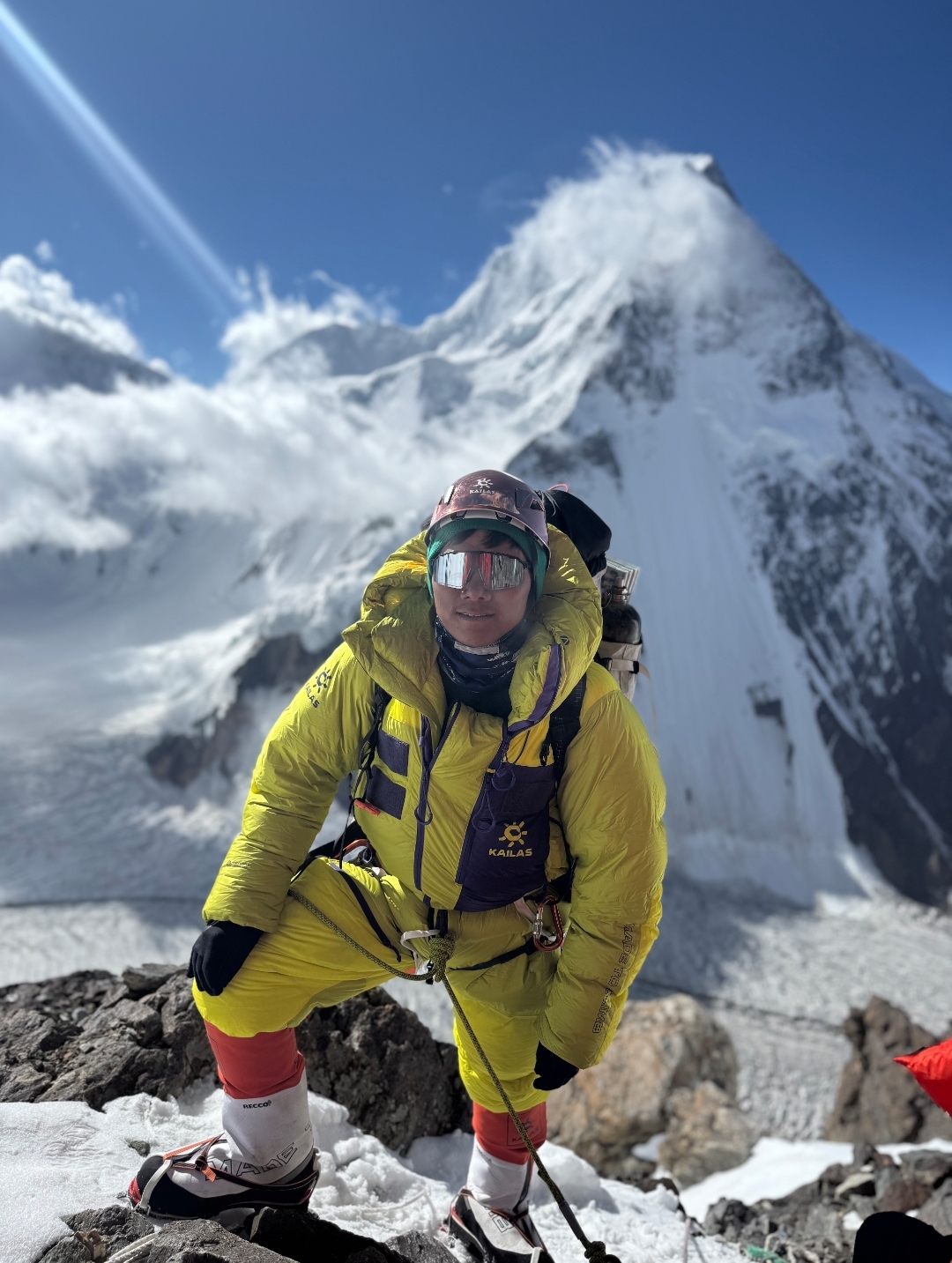
In mountain tourism, RSP plans to categorise peaks between 6,000 and 8,000 metres into three tiers and require climbers attempting peaks above 8,000 metres to have demonstrated prior experience on lower mountains, a safety-oriented reform that would mark a significant shift in Nepal's mountaineering permit framework. Drone technology and modern rescue systems would also be upgraded.
On the cultural front, the party has proposed promoting religious and cultural circuits beyond the established draws of Pashupatinath and Lumbini, highlighting the Kathmandu Valley's architecture, the Devghat–Muktinath corridor and Janakpur as a Ram–Janaki heritage destination. It has also committed to restructuring the Nepal Tourism Board with a focus on creative marketing and storytelling, and establishing Nepal as a global mountaineering training hub through a dedicated mountain school and international high-altitude rescue academy.
In aviation, RSP has pledged to separate the regulatory and service functions of the Civil Aviation Authority, conduct an international air safety audit to remove Nepal from the EU aviation blacklist, reform Nepal Airlines through professional management and partial private sector participation, fully operationalise Pokhara and Bhairahawa international airports, and expedite the expansion of Tribhuvan International Airport. It has also proposed a hill station development policy targeting areas within 1.5 hours of the India-Nepal border.
Nepali Congress: Three million tourists and ‘Arogya Nepal’
Nepali Congress (NC) has laid out its most ambitious headline target — attracting three million tourists annually within 10 years and raising tourism's contribution to GDP to between 15 and 20 percent.
The party's most distinctive proposal is branding Nepal as a global spiritual and wellness destination under an "Arogya Nepal" campaign, integrating yoga, meditation and Ayurveda into the country's tourism identity. It has proposed dedicated wellness and digital nomad visas, development of spiritual corridors such as the Janakpur–Lumbini–Kathmandu route, and establishment of international study centres in major cultural cities.
NC has committed to reducing airfare costs, improving airport services, separating regulatory and service functions within civil aviation and removing Nepal from the EU aviation safety list. It has also pledged to strengthen Nepal Airlines within six months and ensure Pokhara and Bhairahawa airports operate at full capacity.
The party emphasises digital tourism platforms, green certification and women and youth entrepreneurship in the tourism sector. It has also proposed allocating 30 percent of mountaineering royalties for environmental protection and climate adaptation in mountain regions, a commitment that, if implemented, would represent a significant reinvestment of climbing revenues into the Himalayan environment.
CPN-UML: Doubling arrivals through infrastructure and branding
CPN-UML has pledged to double tourist arrivals within five years by expanding infrastructure, marketing and air services. The party plans to brand Nepal as a destination for adventure, spirituality and natural beauty, with tourist safety and service quality identified as priorities.
Its proposals include visa and airfare reforms, luxury resort development, expanded international air connectivity and aggressive digital marketing campaigns involving diaspora communities and global influencers. While broader in scope than some of the other manifestos, UML's tourism agenda reflects a growth-first approach centred on volume, connectivity and international visibility.
Nepali Communist Party: Hill stations, new peaks and green certification
The Nepali Communist Party (NCP) has framed tourism as a pillar of socio-economic development, with its manifesto focusing on eco-tourism, wellness tourism and religious tourism as the three primary growth areas.
Among its more concrete proposals, NCP has pledged to develop over 15 hill station and resort hubs near the Indian border, one of the larger such commitments across any manifesto, and to open additional Himalayan peaks for climbing. It has also proposed expanding international flight operations from Bhairahawa and Pokhara, removing Nepal from the EU aviation blacklist, and introducing digital dashboards for real-time tourism data. The party supports green certification, single-window permit systems and strengthened public-private partnerships across the sector.
RPP: Religious heritage and wellness tourism
The Rastriya Prajatantra Party (RPP) has approached tourism primarily through the lens of Nepal's religious and natural heritage, framing the sector as a key source of foreign currency and employment.
The party aims to position Nepal as the birthplace of Hindu, Buddhist and Kirat traditions and develop wellness tourism rooted in yoga and Ayurveda. RPP also supports a single-window permit system, alternative trekking routes to replace those lost to road expansion and aviation sector reforms aimed at improving safety and securing Nepal's removal from the EU blacklist. Its manifesto is more restrained in scope than some competitors but consistent in its cultural and religious focus.
Ujyalo Nepal Party: Tourism Decade and a Rs 5 Billion Fund
The Ujyalo Nepal Party has taken perhaps the longest view of any party, announcing a "Tourism Decade 2026–2035" plan with a target of 3.5 million annual tourists by 2035 — the highest arrival target of any manifesto.
The party plans to brand Nepal as a 365-day tourism destination and upgrade 10 major airports into boutique facilities, combining infrastructure investment with a distinctive identity pitch. It has also proposed expanding air connectivity and establishing a Rs 5 billion Tourism Prosperity Fund, with a specific focus on supporting rural women entrepreneurs and financing environmental protection initiatives.
Converging priorities, competitive targets
Taken together, the party manifestos reflect a broad consensus on several fronts — removing Nepal from the EU aviation blacklist, operationalising Pokhara and Bhairahawa airports, introducing single-window permit systems and developing wellness and religious tourism corridors. Where the parties diverge is in emphasis and specificity: RSP stands out for its mountain safety reforms and digital integration proposals; NC for its spiritual branding and royalty reinvestment commitment; Ujyalo Nepal for the scale of its financial fund and long-term horizon; and NCP for its hill station ambitions.
What remains to be seen is which of these pledges, if any, will translate into policy after March 5 — and whether Nepal's tourism sector will finally receive the sustained institutional attention that successive governments have promised but rarely delivered.


 °C
°C .jpg)

Comment