

 °C
°C SPCC elects new executive committee at 33rd annual general assembly
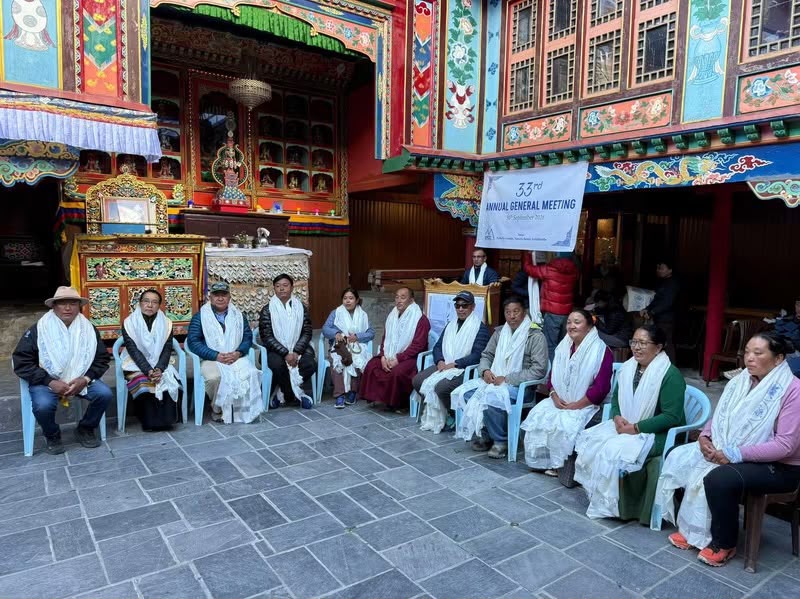
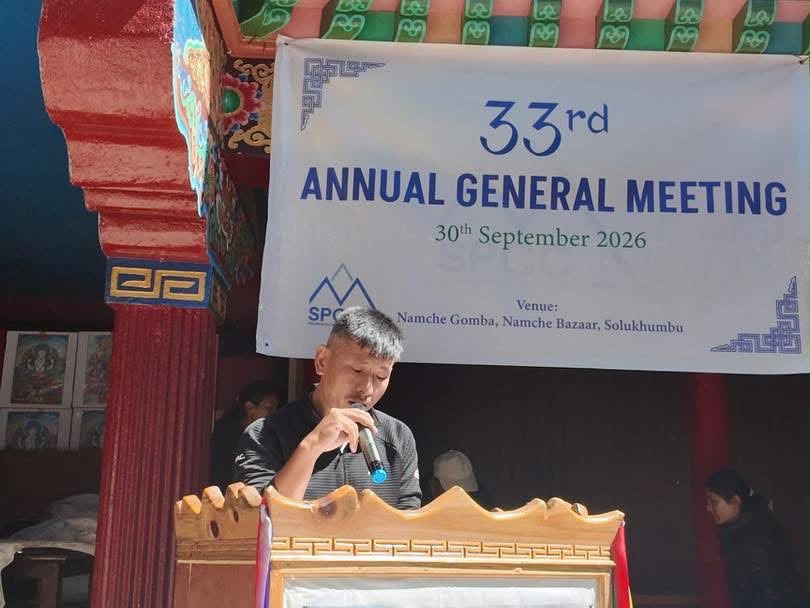
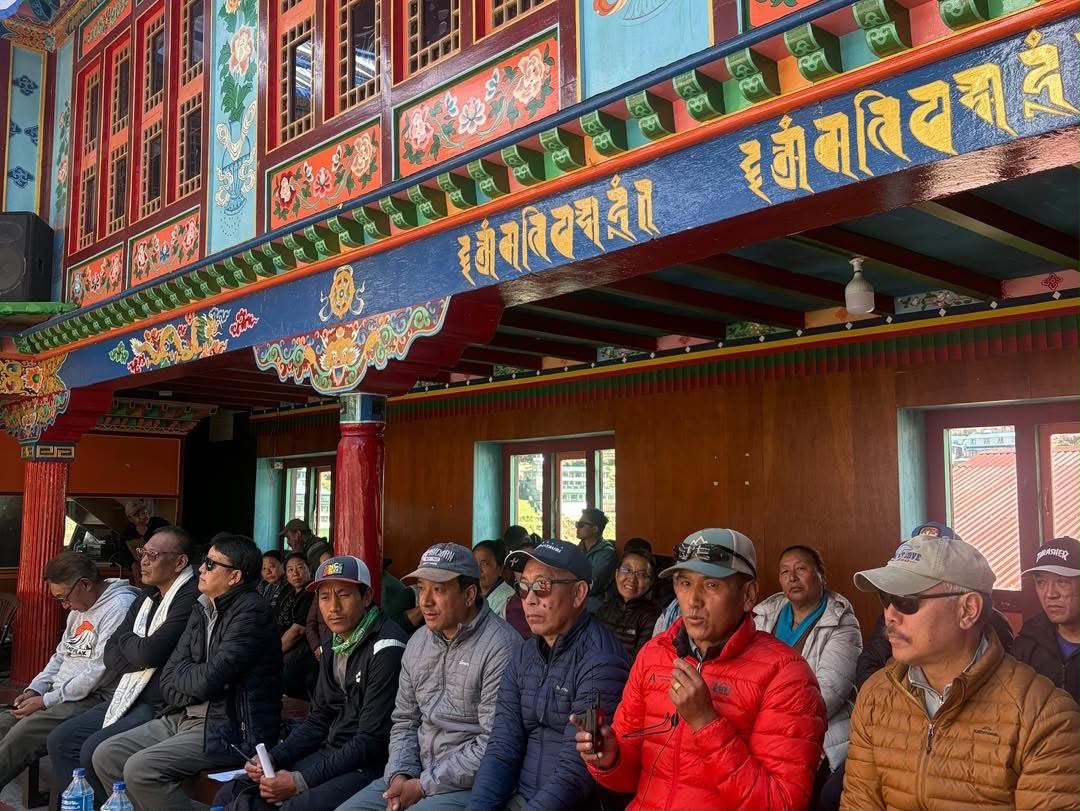
KATHMANDU: The Sagarmatha Pollution Control Committee (SPCC) has elected a new executive committee at its 33rd annual general assembly held in Namche Bazaar, Solukhumbu.
Lama Kaji Sherpa has been elected president, with Dolma Chhiring Sherpa as vice-president, Pemba Chhiri Sherpa as general secretary and Ngima Nuru Sherpa as treasurer.
Other members of the new committee are Ang Maya Sherpa, Ngima Yangji Sherpa, Pasang Nuru Sherpa, Pema Ongyel Sherpa, Pema Chhosang Sherpa, Chheten Doma Sherpa and Chhiring Kinju Sherpa.
National Assembly member Sonam Gyalzen Sherpa wished the new committee success and said SPCC could serve as a model for protecting mountain ecosystems in the Khumbu region.
Newly elected president Lama Kaji Sherpa said the committee would expand SPCC's activities in the Everest region for the benefit of mountain communities. SPCC Chief Executive Officer Tshering Sherpa also said the organisation would step up efforts to achieve its environmental objectives.
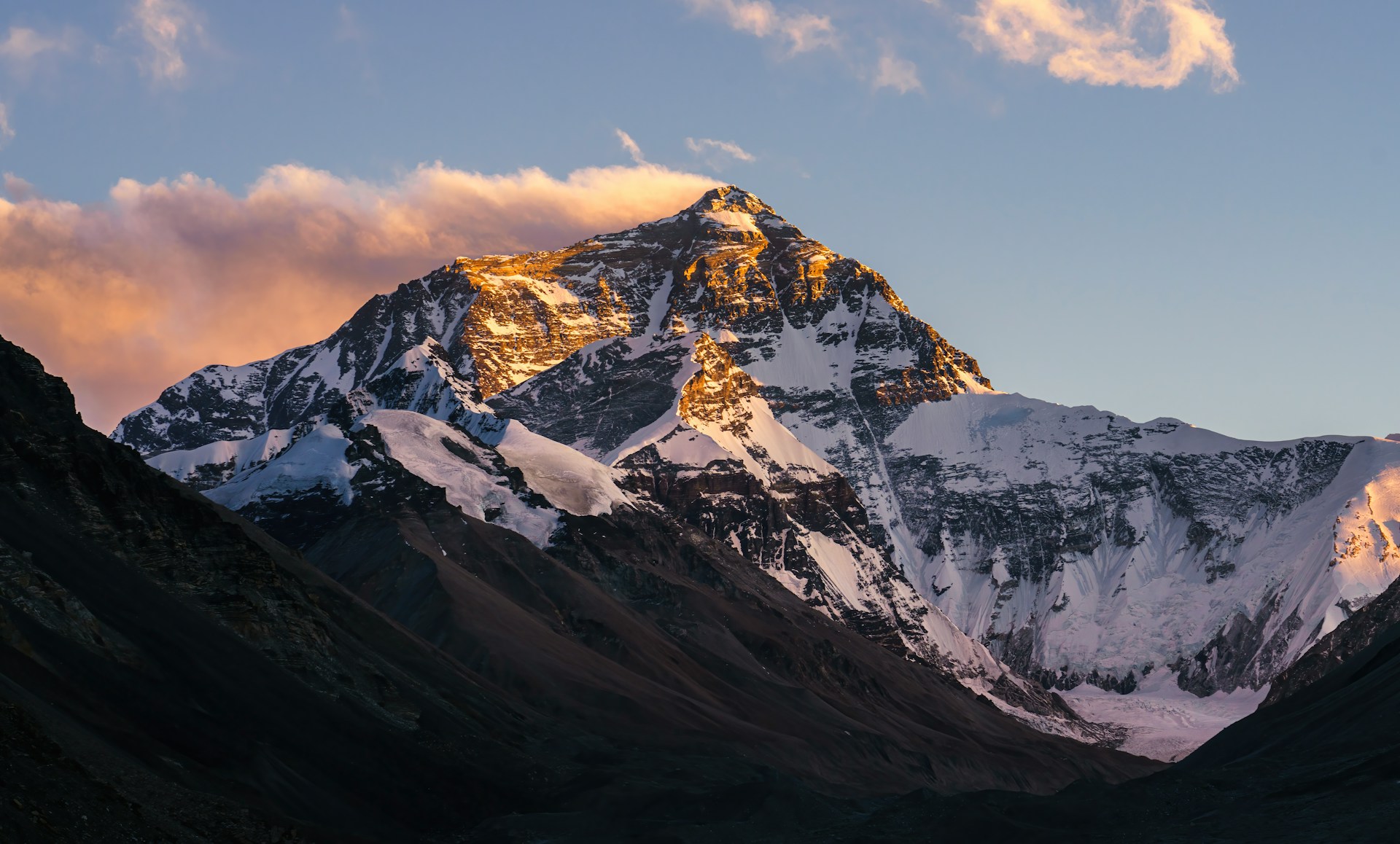
Established in 1991, SPCC is a local environmental organization overseeing waste management across trekking routes, settlements, and mountain peaks in the Everest region. According to Sherpa, it manages waste collection on various peaks, including Mount Everest, and recycles approximately 300 tons of waste annually. The organization has installed three environmental waste management stations in Samsing, Thamo, and Thameteng in the Khumbu region, replacing open dumping pits with a structured, community-led waste segregation and collection system.
In collaboration with more than 5,000 local community members and volunteers, SPCC also leads seasonal cleanup campaigns, maintains material recovery facilities, and promotes source segregation of waste to support a circular economy in the region.
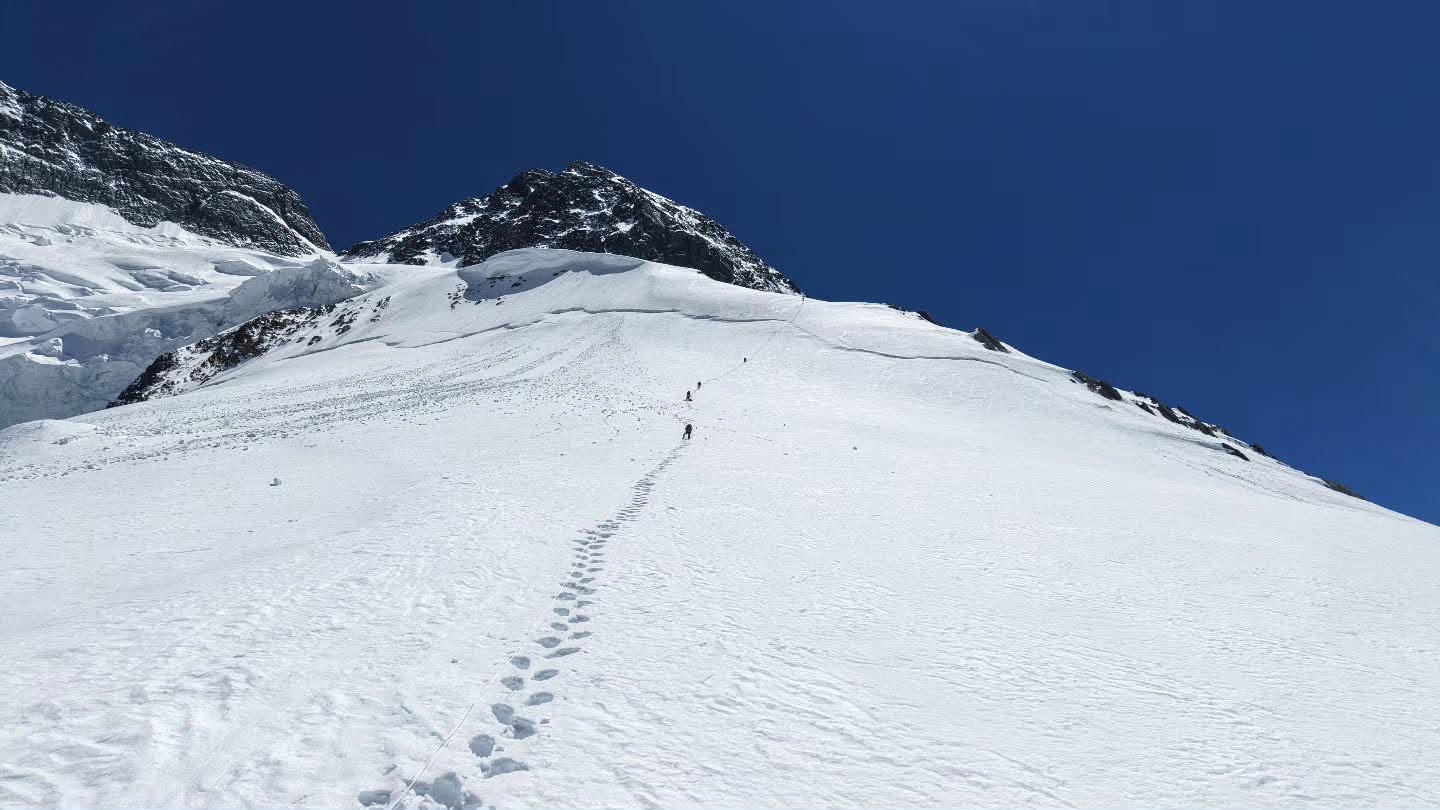
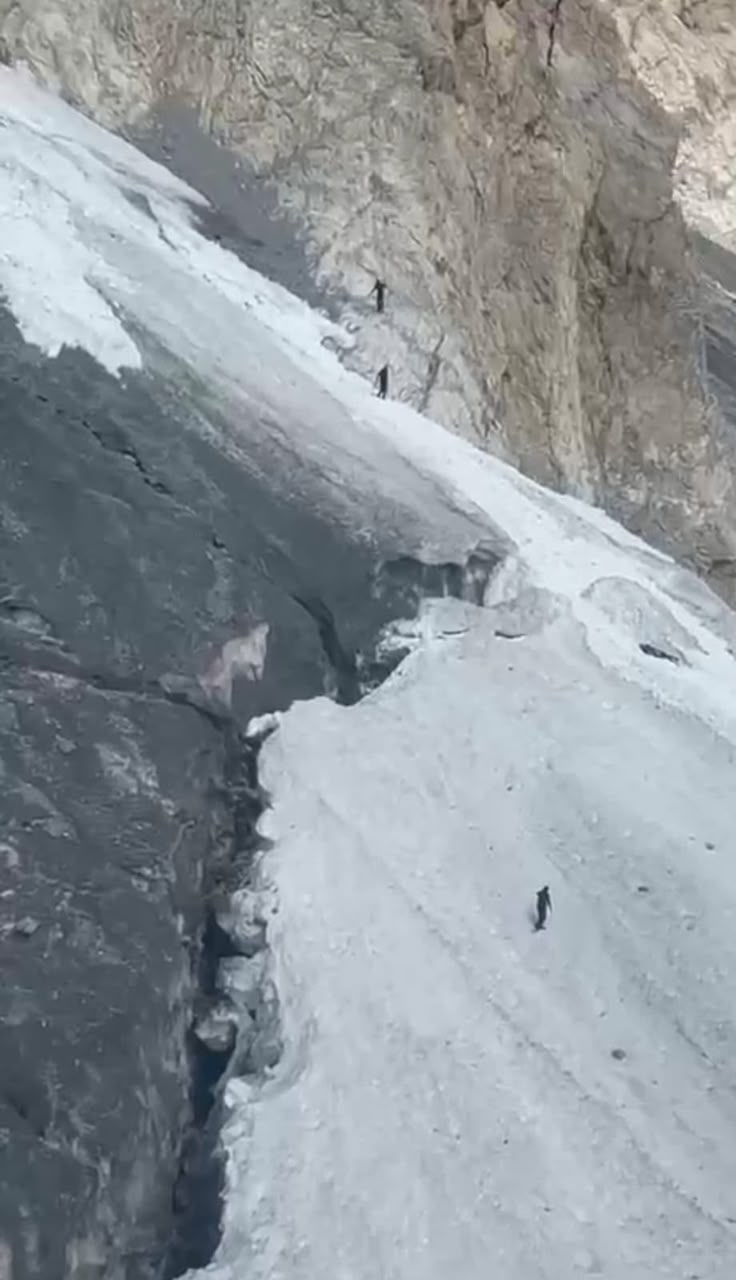
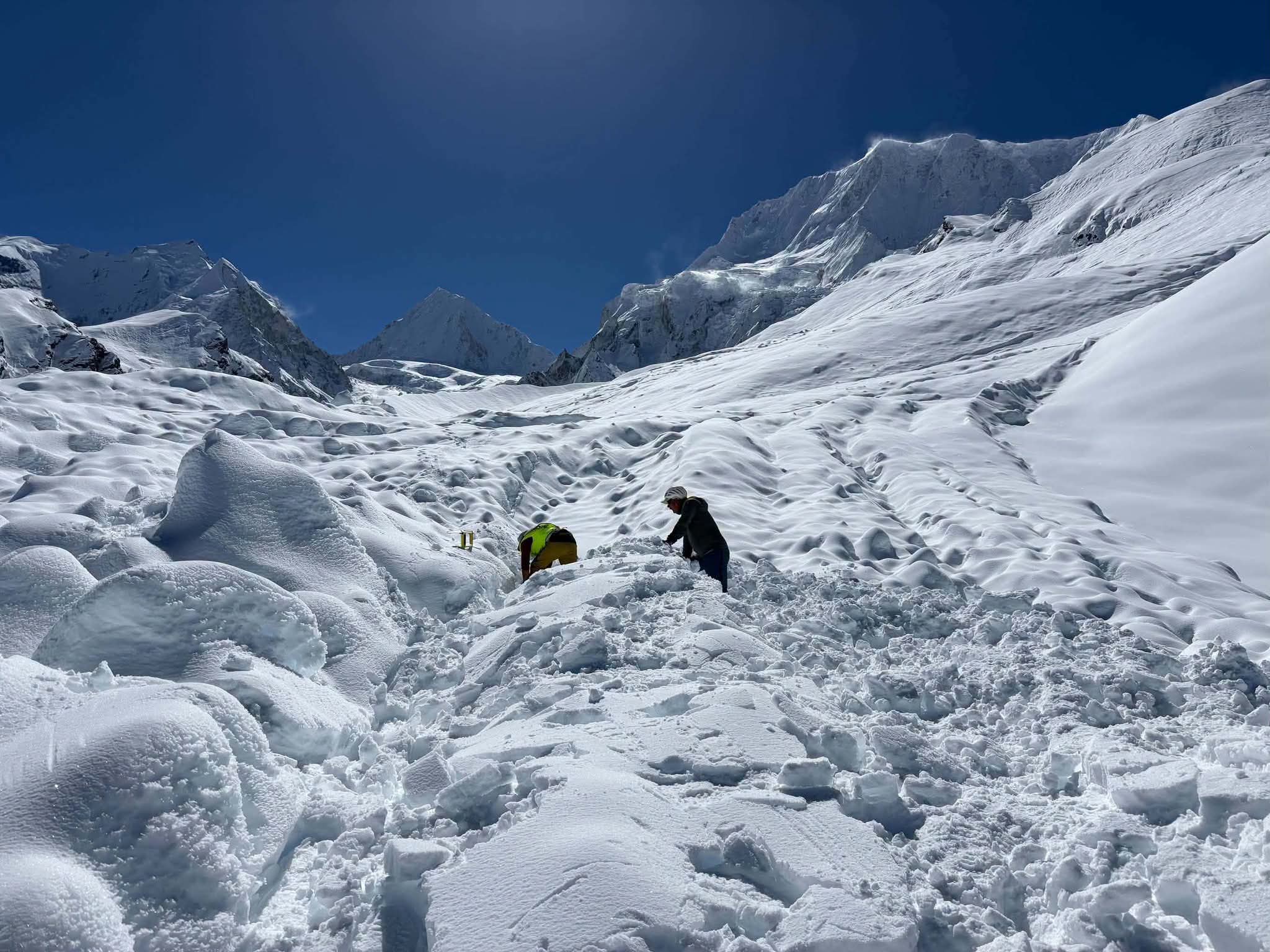
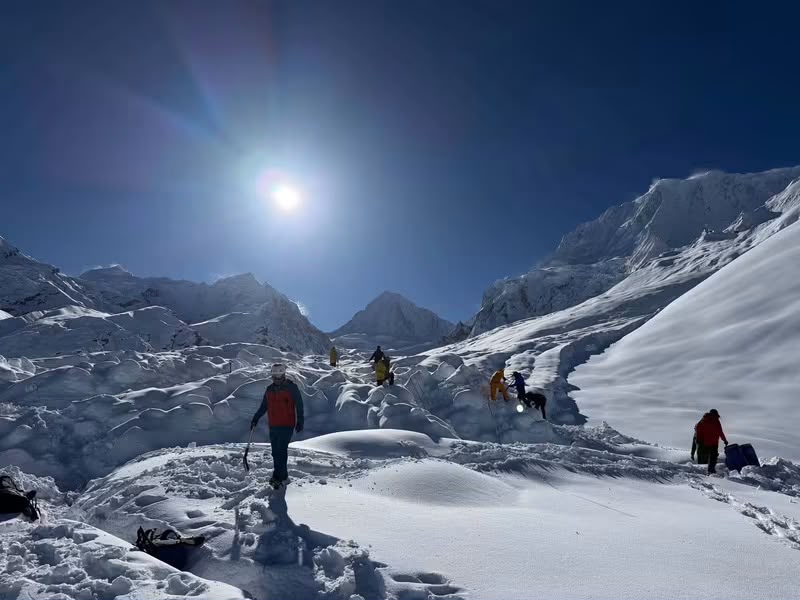
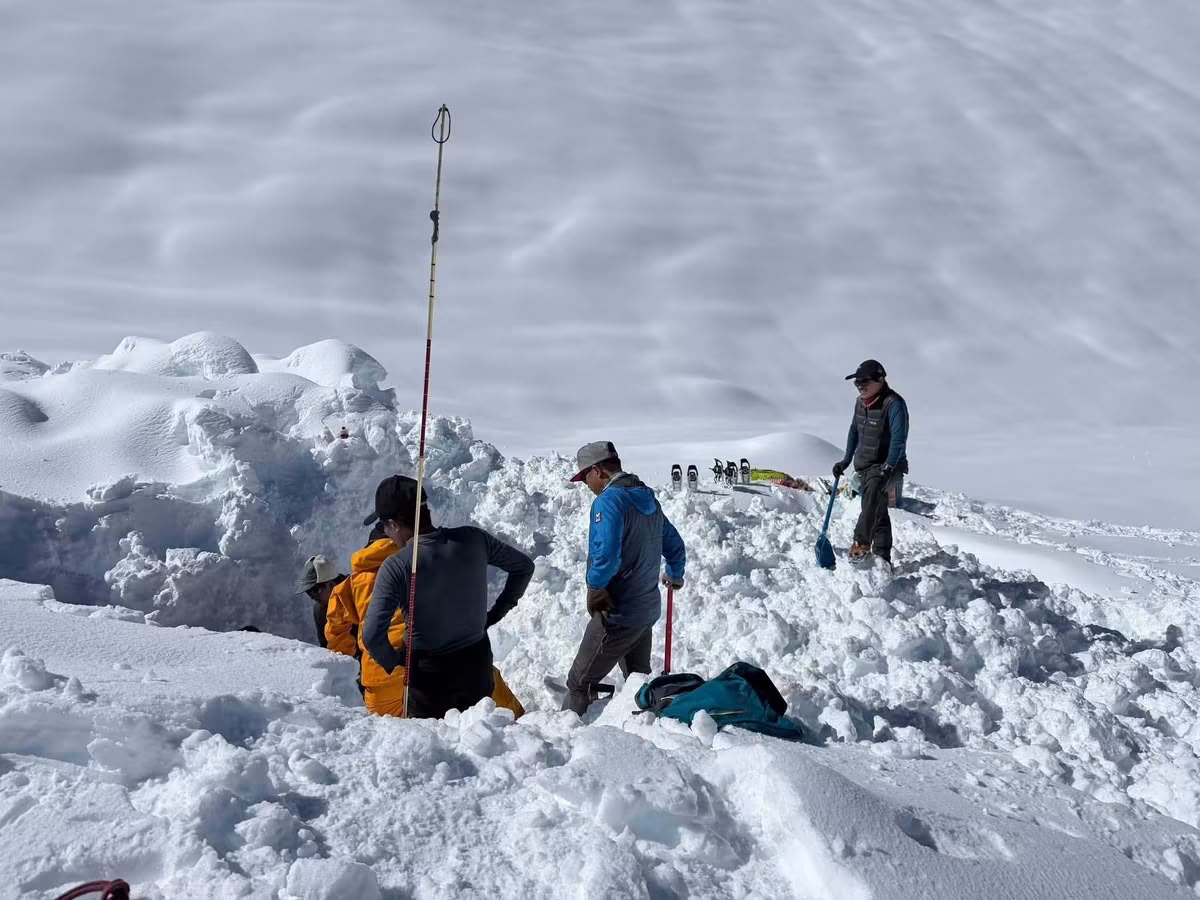
Since 1997, SPCC has also been contracted by the Ministry of Culture, Tourism and Civil Aviation to construct and maintain the Khumbu Icefall Route, a hazardous section between Everest Base Camp and Camp II. A team of eight Icefall Doctors is deployed annually to manage the route during spring climbing season. For the first time, it has also introduced a concept of mountain rangers at Camp II to strictly monitor garbage collection initiatives at the high camp on Mount Everest.
Comment