The Tourism Times | Breaking tourism-related news from Nepal and beyond
°C
Climbing
Nepal issues new standards for managing altitude sickness in high mountain areas
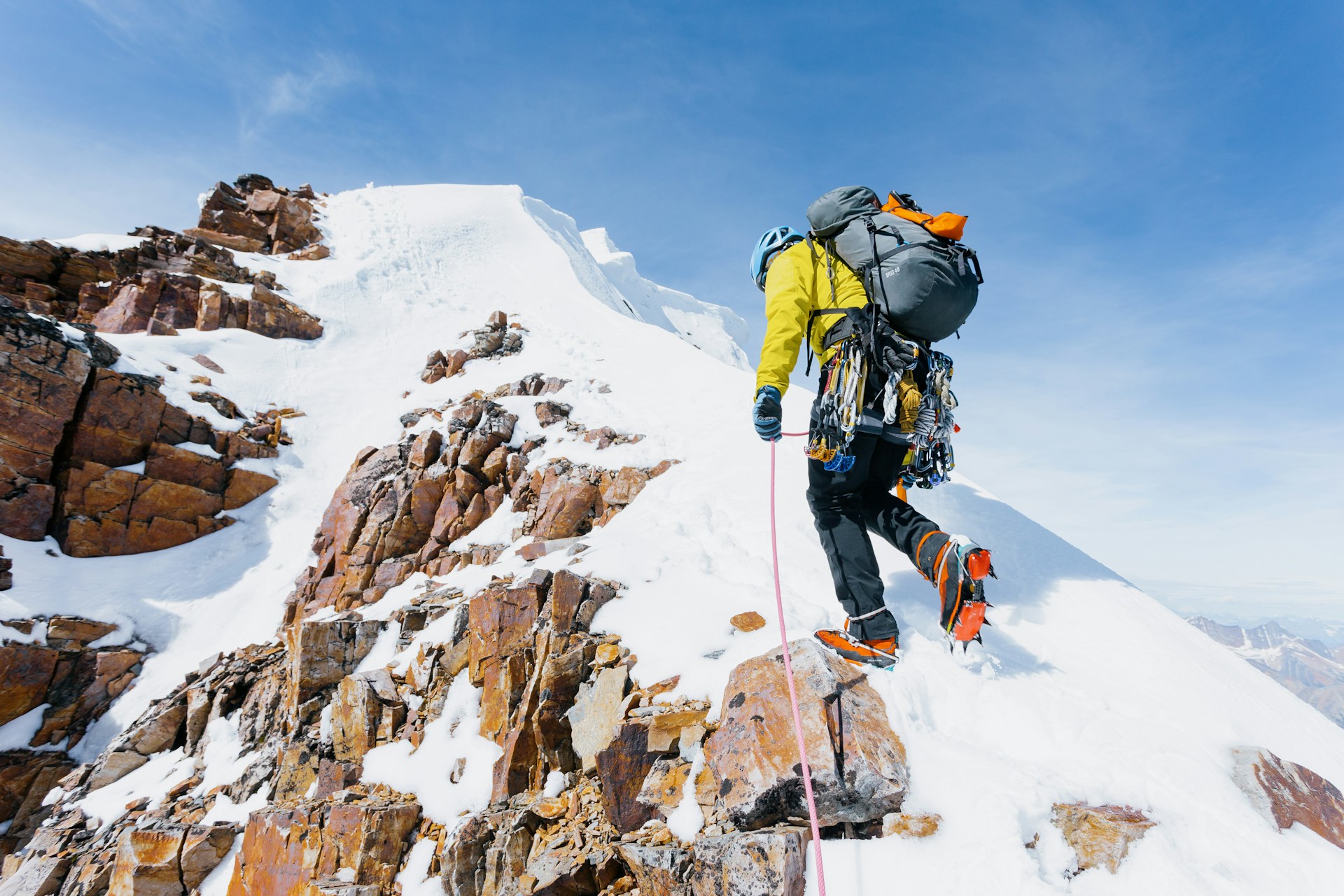
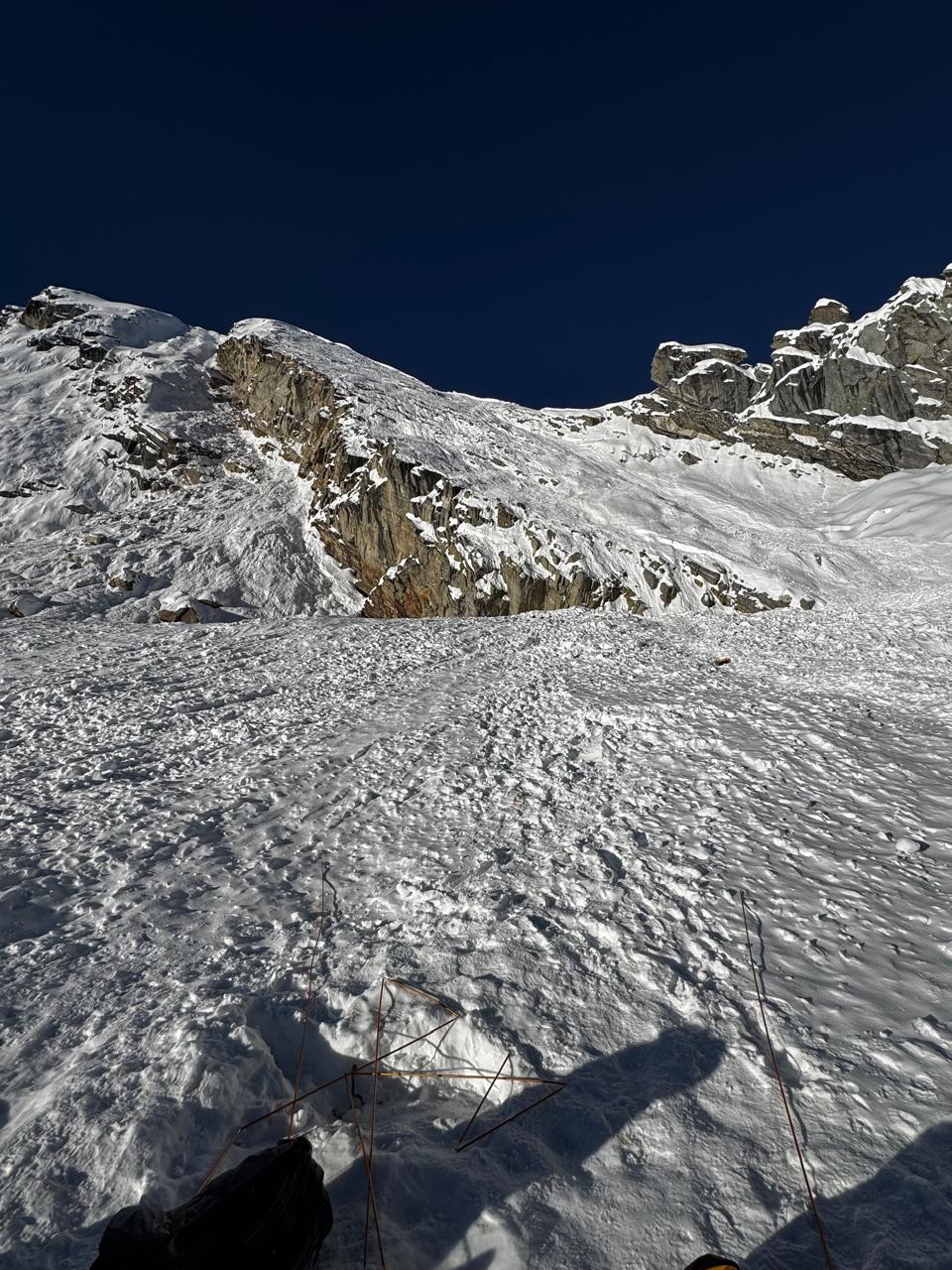
Photo by Mike Markov on Unsplash
By
Tourism Times
Published at : 6 Nov 2026, 4:11 PM
KATHMANDU: The Ministry of Health and Population has issued new standards for the prevention, diagnosis and treatment of altitude sickness in high-altitude and Himalayan areas, including provisions for emergency evacuation, referral and the supply of essential medicines and equipment.
The ‘Standards for Management of High Altitude Mountain Sickness, 2083’ have been issued under the Public Health Service Act, 2075, with the aim of improving health services for people travelling, trekking and mountaineering in high mountain areas.
The standards classify altitude sickness into three categories: acute mountain sickness (AMS), high-altitude pulmonary oedema (HAPE) and high-altitude cerebral oedema (HACE). AMS may develop within eight to 48 hours after ascending and can cause headache, dizziness, nausea, vomiting, loss of appetite, fatigue, weakness, disturbed sleep and breathing difficulties.
HAPE is described as a severe condition involving fluid accumulation in the lungs, with symptoms including breathlessness even at rest, chest heaviness, persistent coughing, frothy or blood-stained sputum, bluish skin and weakness. HACE involves swelling of the brain and may cause severe headache, loss of balance, slurred speech, confusion and loss of consciousness.
The standards recommend gradual ascent above 2,500 metres, limiting the increase in sleeping altitude to 300–500 metres per day. Travellers are advised to spend two nights at a location after every 1,000 metres of ascent, while following the ‘climb high, sleep low’ approach where possible.
Travellers are also advised to drink three to four litres of water or other fluids a day, eat carbohydrate-rich food and avoid alcohol, cigarettes and other tobacco products at high altitude. Anyone experiencing symptoms of altitude sickness should inform their companions and avoid ascending further.
For patients whose symptoms do not improve with rest, the standards recommend descending immediately by 500–1,000 metres. Oxygen, where available, and a Gamow bag or portable hyperbaric chamber may also be used. The standards state that descent is the most effective treatment for altitude sickness.
For AMS, the standards list rest, acetazolamide and stopping further ascent. For HAPE, they recommend oxygen, nifedipine, a Gamow bag, descent and immediate evacuation. HACE requires oxygen, dexamethasone, a Gamow bag, descent and urgent evacuation.
The standards also require health facilities in high mountain areas to maintain oxygen cylinders or concentrators, Gamow bags, pulse oximeters, blood-pressure equipment, stethoscopes, thermometers, nebulisers, ECG machines and emergency medical supplies.
Medicines listed include acetazolamide, dexamethasone and nifedipine, among other emergency drugs.
Under the standards, federal authorities are responsible for policy, standards, regulation, staffing and budget support, while provincial governments are tasked with training and technical support. Local governments must ensure access to designated and emergency health services, maintain supplies of medicines and equipment, and operate referral systems.
The standards are intended to improve preparedness and treatment at health facilities serving high-altitude travellers and ensure quicker evacuation and referral of serious cases.


 °C




Comment