The Tourism Times | Breaking tourism-related news from Nepal and beyond
°C
Travel & Leisure
Nepal tourism faces post-flood test as August arrivals fall 3.65%
A screengrab
By
Tourism Times
Published at : 2 Sep 2026, 11:56 AM
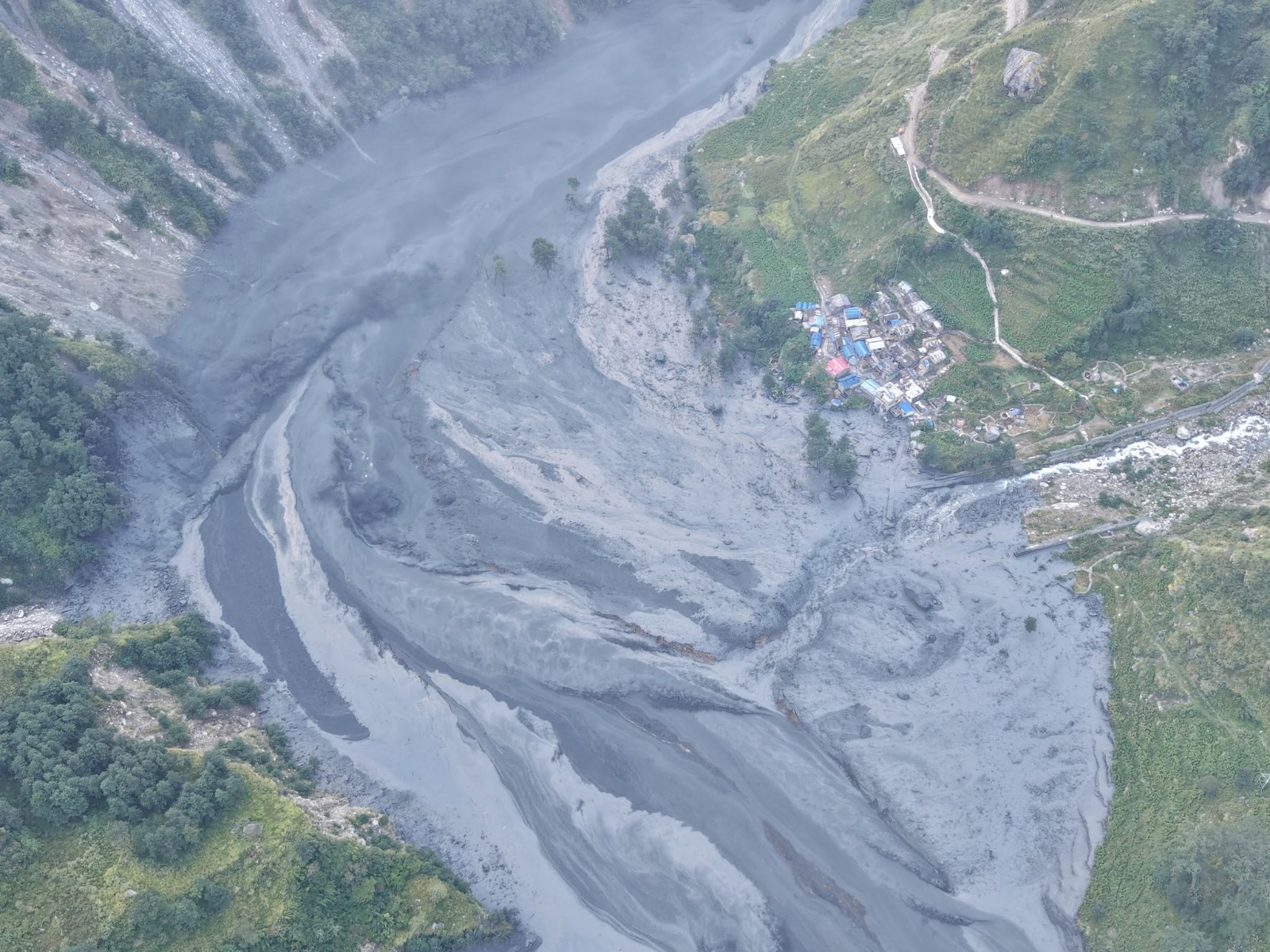
KATHMANDU: Nepal is urging international travellers to continue visiting the country despite devastating floods that have affected several parts of the country, saying most tourism destinations remain safe, accessible and open.
The appeal comes as Nepal recorded 85,444 international tourist arrivals in August, a 3.65 per cent decline from the 88,680 arrivals recorded in the same month last year.
Culture, Tourism and Civil Aviation Minister Khadak Raj Paudel ‘Ganess’ has called on travellers and friends of Nepal not to cancel their plans and to stand with communities whose livelihoods depend on tourism.
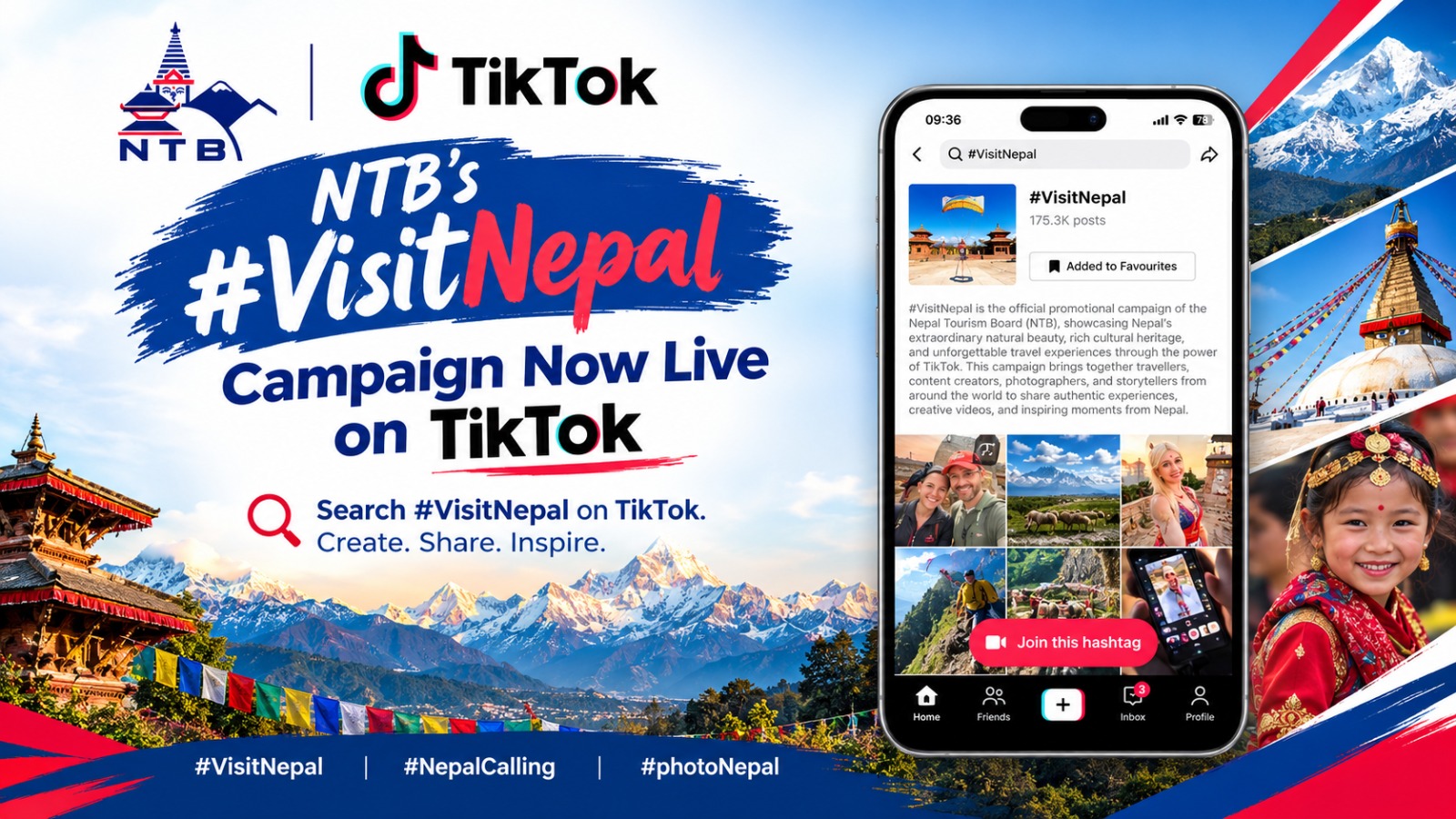
“Nepal is open. Nepal is calling,” is the message from the government as the country begins recovering from the disaster.
NTB: Nepal is not closed
The Nepal Tourism Board (NTB) has acknowledged the scale of the disaster, saying lives, homes, businesses and livelihoods have been severely affected.
However, it stressed that the impact is not nationwide.
“Nepal is not closed,” the NTB said in a message to visitors and the global tourism community.
According to its situation update as of September 1, hotels, tourism services and major road networks are operating, while domestic and international flights are also operating normally.
A dedicated Quick Response Team is operating at the Ministry of Culture, Tourism and Civil Aviation, while a Tourist Information Desk has been established at the NTB in coordination with the Department of Tourism, Tourist Police and the private sector to provide timely information and assistance.
The arrangements are aimed at helping travellers obtain reliable information as conditions continue to evolve.
August arrivals show a mixed picture
The latest arrival figures present a mixed picture of Nepal’s tourism market.
India remained the largest source market in August, with 26,373 visitors, accounting for 30.87 per cent of total arrivals. China followed with 10,304 visitors, up 36.78 per cent from 7,533 in August 2025.
Sri Lanka also recorded strong growth, with arrivals rising 46.24 per cent to 8,710.
The United States accounted for 6,293 arrivals, followed by Bangladesh with 4,487 and the United Kingdom with 3,476.
South Asia remained Nepal’s largest regional market, recording 41,422 arrivals, followed by other Asian countries with 18,275 and Europe with 10,875.
Several smaller markets also posted significant growth. Arrivals from Russia increased 51.38 per cent to 769, while Ukraine rose 83.05 per cent to 216. Cambodia recorded a 277.78 per cent increase, albeit from a small base. Arrivals from Bhutan rose 49.25 per cent to 1,288, while Malaysia and Thailand also recorded growth.
Floods pose a challenge beyond affected areas
For Nepal’s tourism industry, however, the impact of the floods could extend beyond the areas directly hit by the disaster.
The immediate challenge is not only the damage to infrastructure but also the perception of Nepal as a tourism destination.
Images of flooded rivers, damaged settlements and disrupted roads can create the impression that the entire country is inaccessible, even when disruption is limited to particular areas.
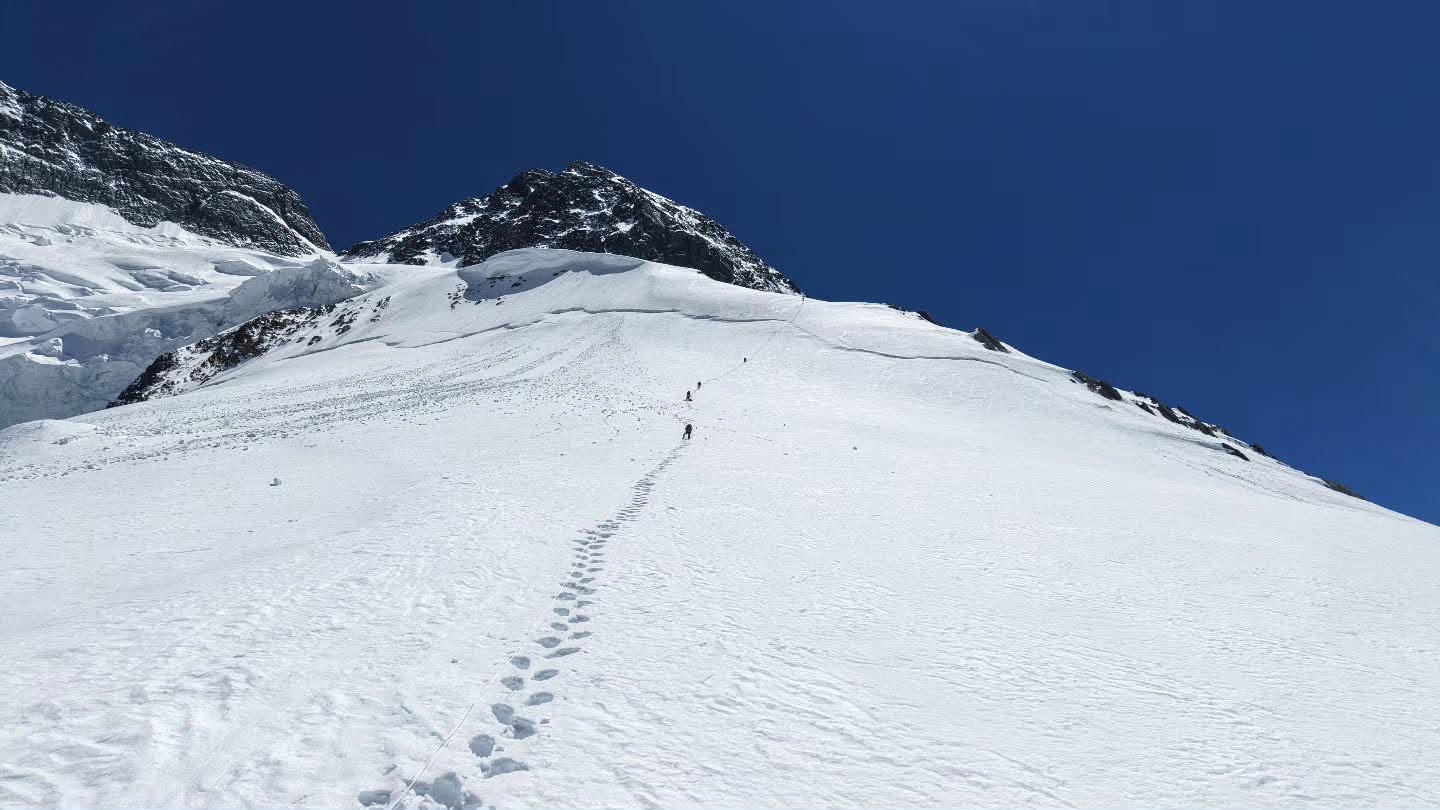
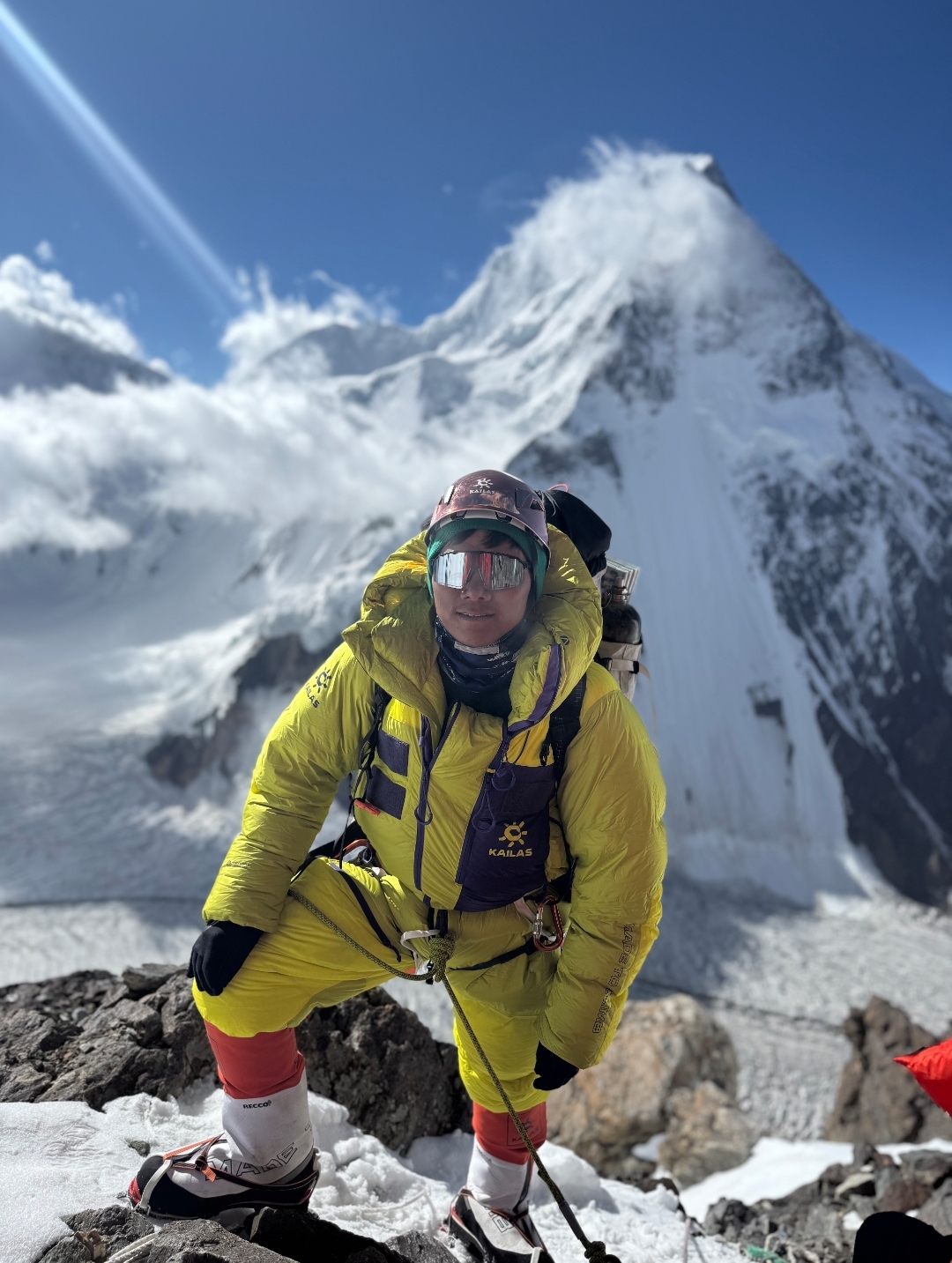
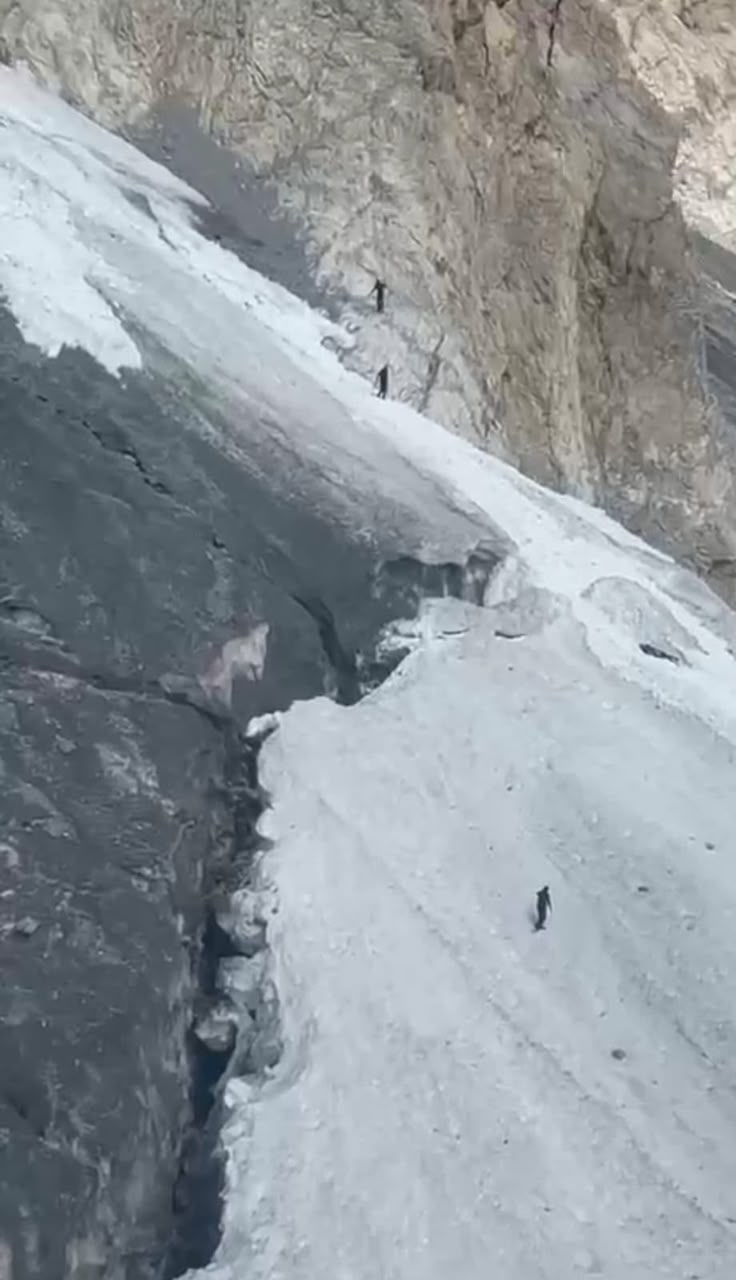
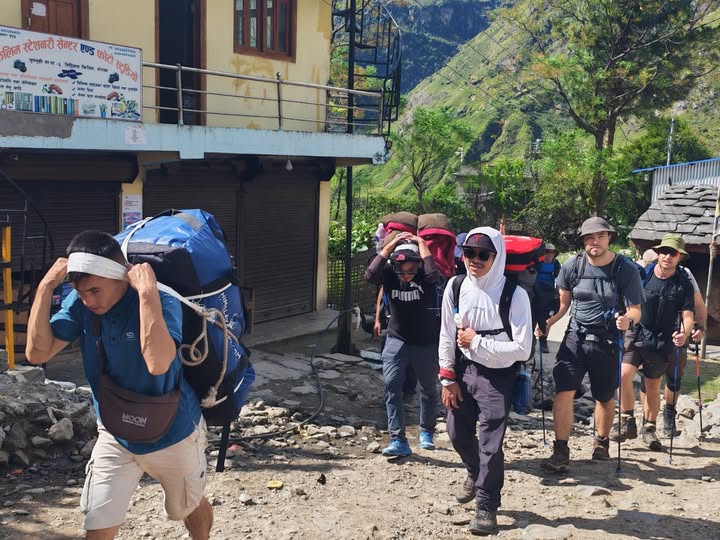
This could be particularly significant for trekking, mountaineering and adventure tourism as travellers assess trails, highways, airports and local infrastructure before making their plans.
If visitors perceive Nepal as broadly unsafe or inaccessible, cancellations could spread beyond the directly affected destinations. Such a trend could affect hotels, airlines, trekking agencies, mountain guides, porters, transport operators, restaurants, handicraft businesses and other enterprises dependent on tourism.
A crucial autumn season ahead
The timing is critical. The post-monsoon months are among Nepal’s most important periods for trekking, mountaineering and international tourism.
The government and NTB are therefore presenting continued tourism as part of the country’s recovery, while urging visitors to assess individual destinations and travel routes rather than assume that the entire country has been affected.
For tourism-dependent communities, continued visitor spending could provide an important source of income at a time when many livelihoods have been disrupted.
“This is a time to stand with Nepal. This is a time to visit Nepal. Nepal is calling,” the NTB said.
Minister Paudel has similarly urged travellers to continue their journeys where destinations and routes are operating safely.
“Come for the mountains. Come for the culture. Come for the people,” is the message being extended to visitors.
The appeal is not for travellers to ignore the disaster or take unnecessary risks. Rather, it is a call to recognise that the impact is uneven and that much of Nepal’s tourism infrastructure and destinations continue to operate.
As the country enters the crucial autumn season, restoring traveller confidence, providing accurate destination-level information and ensuring safe and accessible tourism will be vital to Nepal’s recovery.
For travellers seeking assistance, the NTB has provided the following contacts:
Tourist Emergency Assistance: 1234
Government Emergency Hotline: 1144
Tourist Police: 9851289445
Nepal has suffered a major disaster, but its tourism industry is not closed. Nepal is open—and Nepal is calling.


 °C
°C 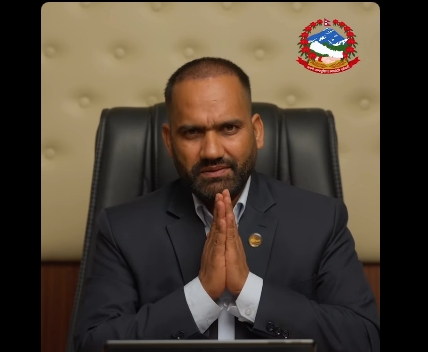

Comment