The Tourism Times | Breaking tourism-related news from Nepal and beyond
°C
Travel & Leisure
Foreign tourist arrivals to Mustang up 60 percent in first four months of 2026
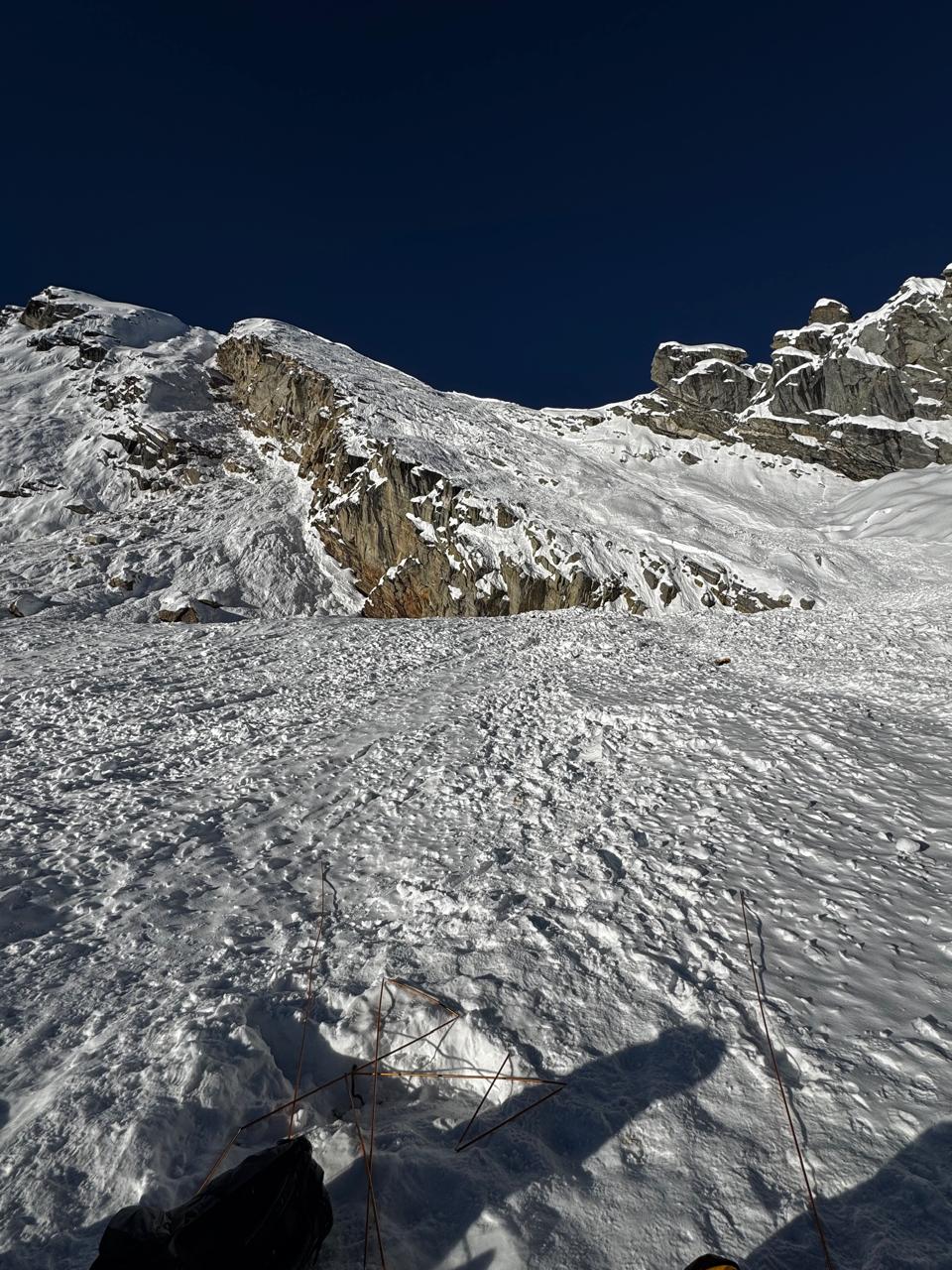
Maintenance of wire fencing and trekking trails is underway in Chengur village under an approved programme of the Conservation Area Management Committee, Jhong, operating under this office. Photo Courtesy: NTNC/ACAP Jomsom
By
Tourism Times
Published at : 6 May 2026, 2:05 PM
KATHMANDU: Foreign tourist arrivals to Mustang surged in the first four months of 2026, with 83,149 visitors recorded between January and April — a rise of more than 31,000 compared to the 51,896 who visited during the same period in 2025, according to the Annapurna Conservation Area Project office in Jomsom.
April alone drew 40,138 foreign visitors, the highest monthly figure in the period, followed by March with 23,204, January with 10,803, and February with 9,004.
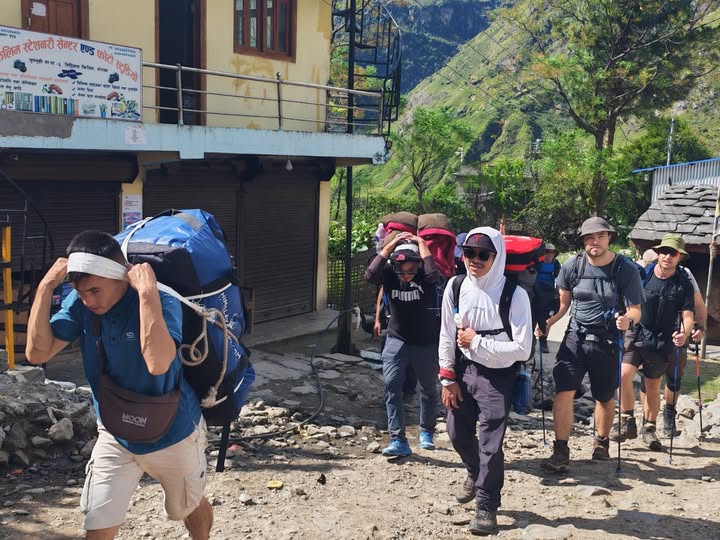
More than 80 percent of arrivals were Indian nationals, most of whom visit Muktinath before returning. Non-SAARC visitors typically travel onward to Upper Mustang via Jomsom, arriving by air on the Pokhara-Jomsom route or by road.
The broader Annapurna Conservation Area received 251,188 foreign tourists between Shrawan and Chaitra of the current fiscal year, with Chaitra recording the highest monthly total at 65,242. Of the total, 151,068 were from South Asian countries.
The ACAP office said tourist arrivals have grown consistently since fiscal year 2079/80, with year-on-year increases recorded in all months except Ashoj.
Annual totals for the conservation area have risen from 172,108 in FY 2079/80 to 222,180 in FY 2080/81 and 278,113 in FY 2081/82.
To support growing visitor numbers, ACAP Jomsom and Lomanthang have allocated Rs 3.26 million and Rs 1.4 million respectively in the current fiscal year for the repair and upgrading of trekking trails across all five local governments in Mustang.
Three of eleven trails under ACAP Jomsom's jurisdiction have already been completed, with work ongoing on the remainder. Trail improvements include widening, cleaning, stone paving on hazardous sections, and installation of gabion walls and railings.


 °C
°C 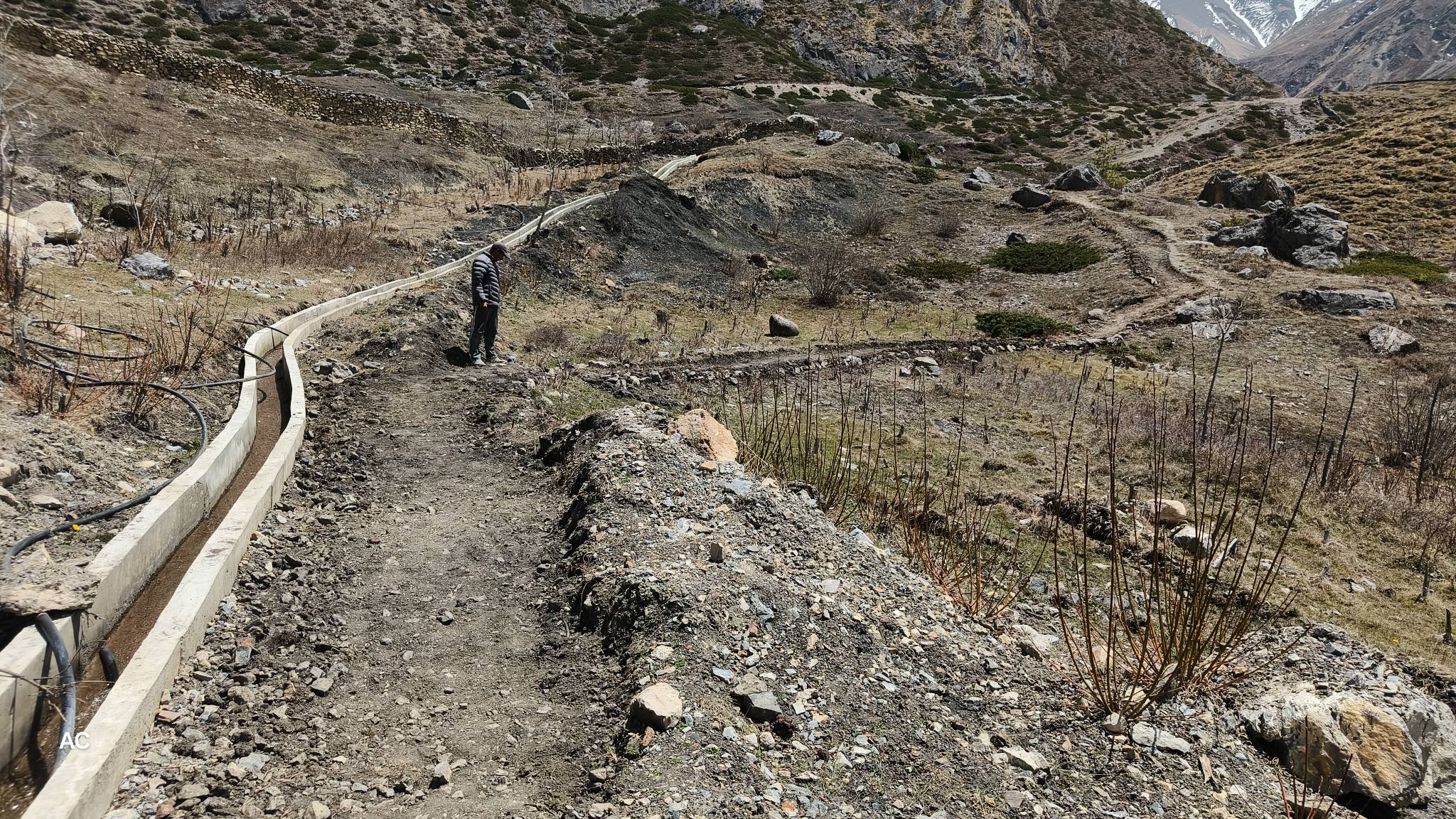


Comment