The Tourism Times | Breaking tourism-related news from Nepal and beyond
°C
Environment
Nepal secures $36.1 million climate grant to protect mountain communities from glacial floods
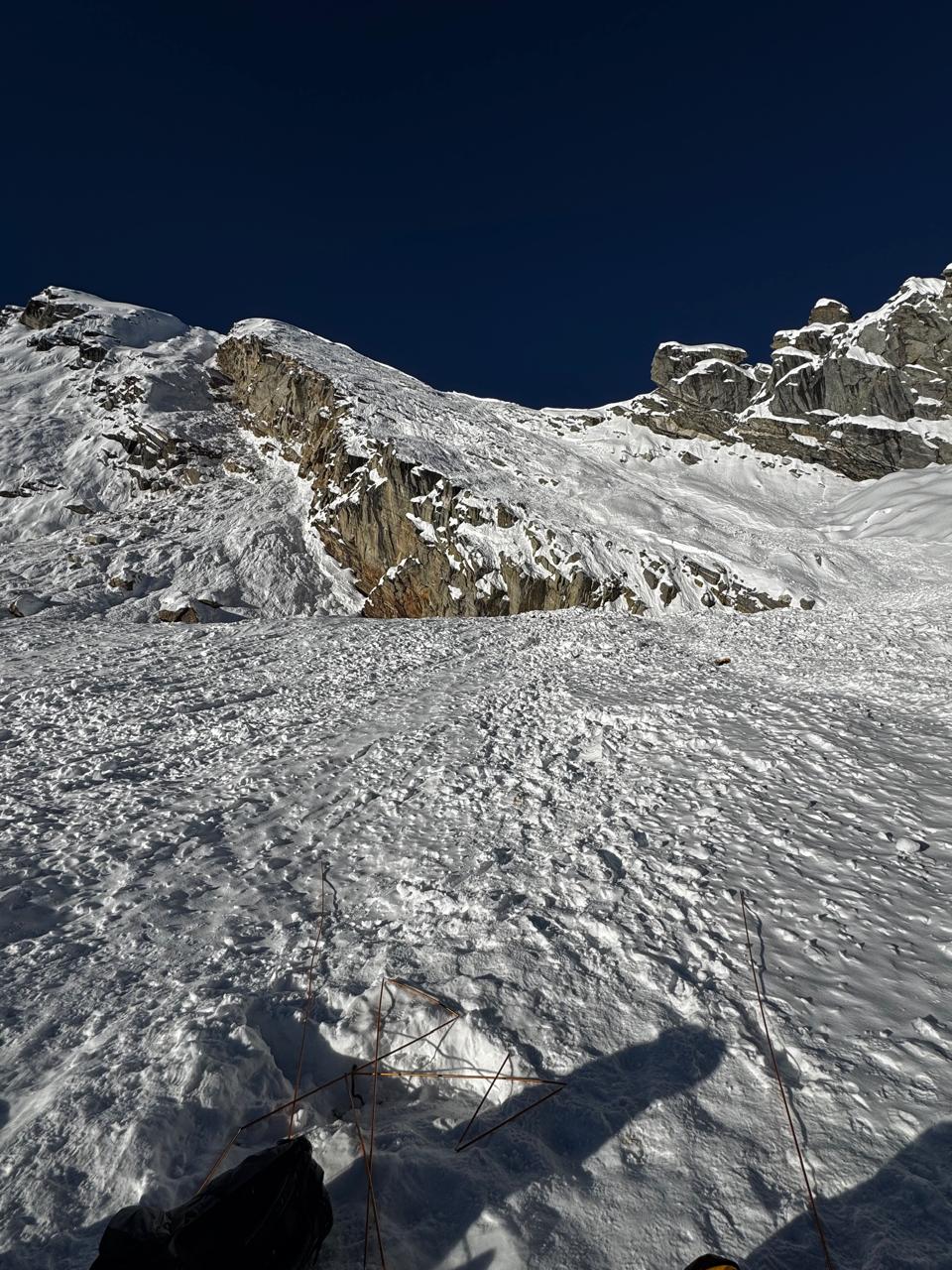
Photo: Deepak KC, UNDP
By
Tourism Times
Published at : 2 Jul 2025, 12:00 AM
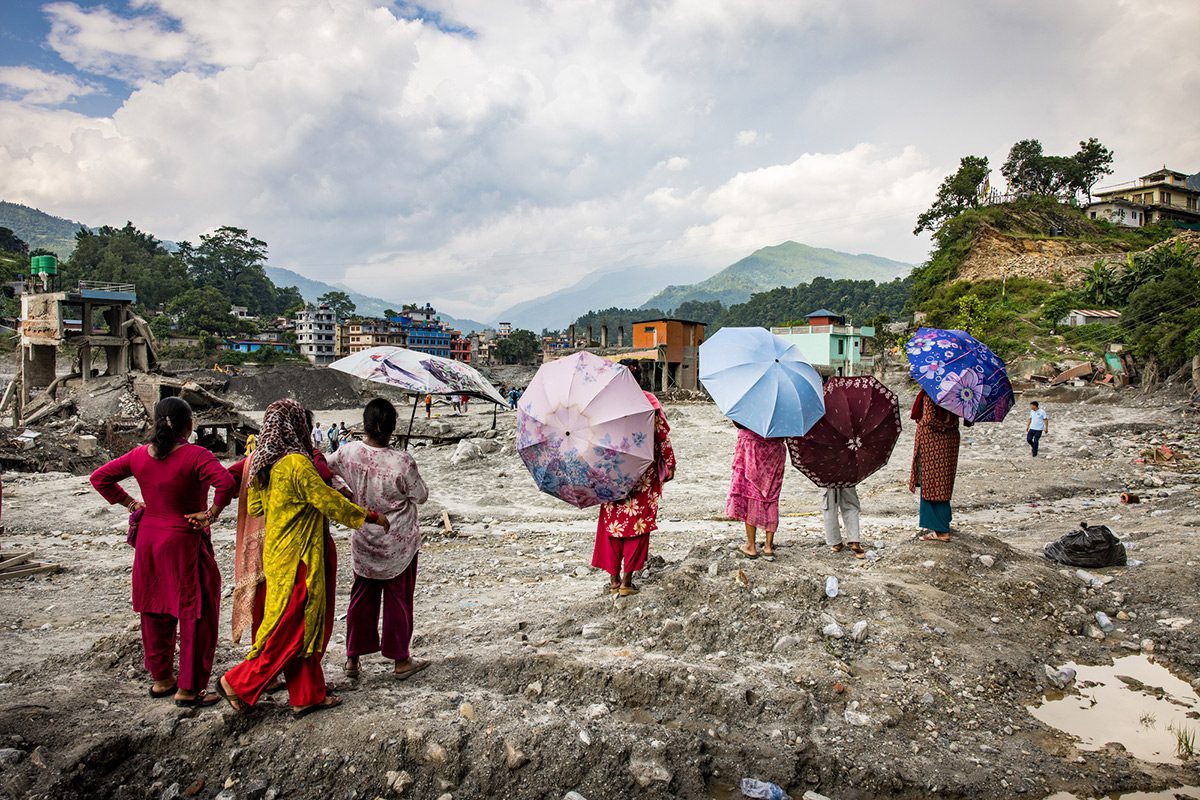
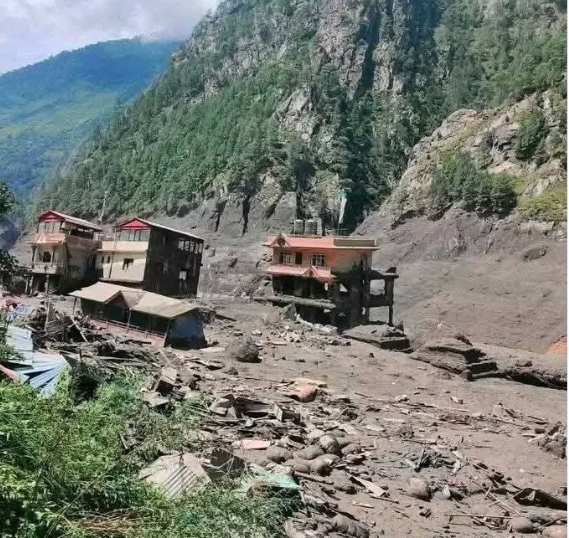
KATHMANDU: In a major boost to climate resilience and sustainable tourism, the Green Climate Fund (GCF) has approved a $36.1 million grant to help Nepal reduce the growing threat of glacial lake outburst floods (GLOFs), a severe and rising hazard in the Himalayan region. The initiative is expected to directly benefit over 2.2 million people living in high-risk mountain areas, many of which are also popular trekking and tourism zones.
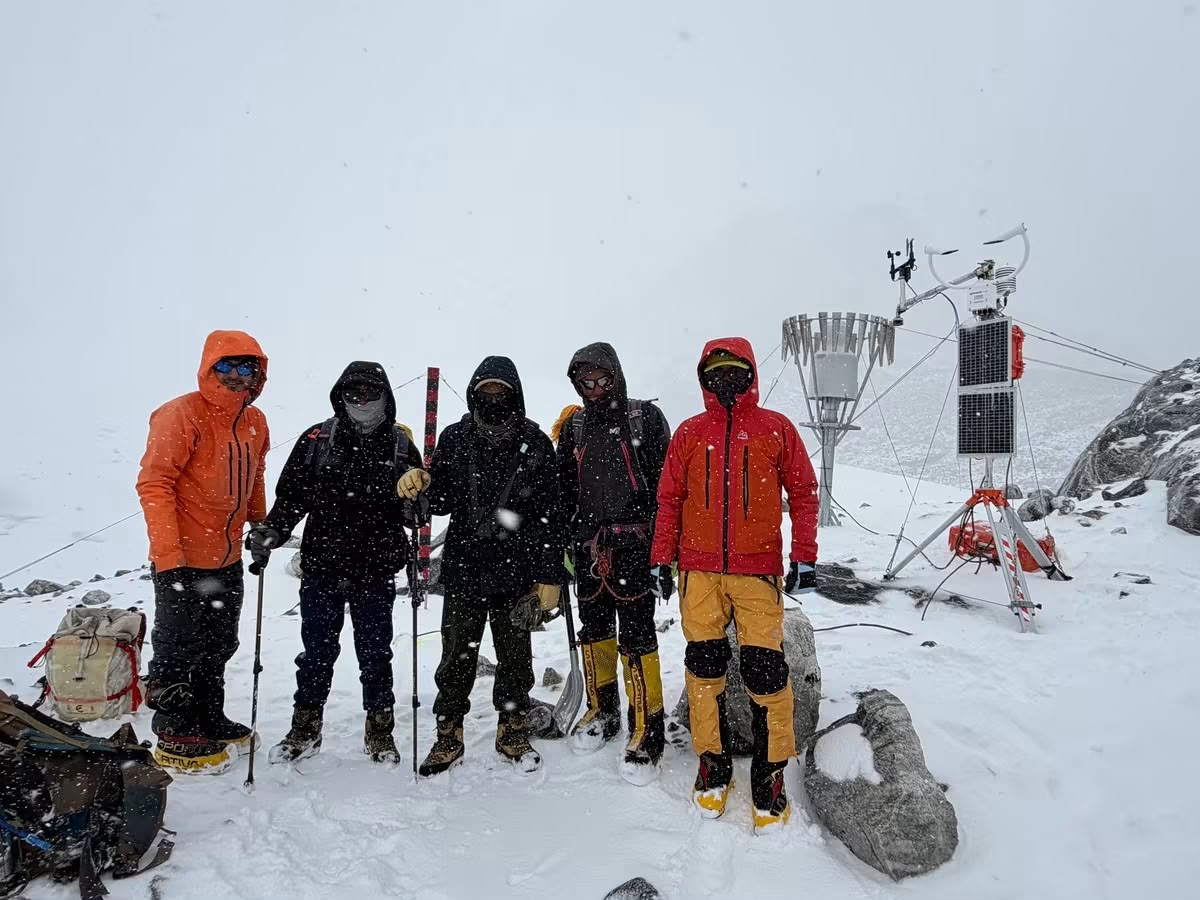
Led by Nepal’s Department of Hydrology and Meteorology (DHM) in partnership with the United Nations Development Programme (UNDP), the seven-year project marks a shift from reactive disaster response to proactive prevention. It includes early warning system upgrades, reduction of water levels in four high-risk glacial lakes (Thulagi, Lower Barun, Lumding Tsho, and Hongu 2), and strengthening of flood-prone zones through nature-based solutions like reforestation and protective infrastructure.
“This project will help protect vulnerable Himalayan communities by safeguarding lives, livelihoods, and critical infrastructure,” said DHM Director General Kamal Ram Joshi. For Nepal’s tourism sector, this means greater safety for trekking routes and mountain tourism destinations vulnerable to GLOFs.
Tourism routes in the Koshi and Gandaki basins, home to Everest, Annapurna, and other iconic mountain regions, face increasing climate risks. The project is expected to not only secure local communities but also improve safety for domestic and international visitors drawn to Nepal’s mountains.
According to the Department of Forests and Soil Conservation, the project will also restore over 150 hectares of degraded land through reforestation. “By empowering communities and restoring ecosystems, this joint initiative will boost our resilience to GLOFs and climate-driven floods,” said Director General Badri Raj Dhungana.
The total investment, including $14 million in co-financing from the Government of Nepal and partners, is close to $50 million. The project will also involve the private sector in co-financing hydro-meteorological stations and promoting community-based adaptation, enhancing its sustainability.
ICIMOD and UNDP echoed the project’s importance in addressing the Himalayas’ escalating climate threats. “Rising temperatures are rapidly transforming Nepal’s snowpack, glaciers, permafrost, and precipitation—shifting not just the scale and frequency of mountain hazards, but their very nature,” said ICIMOD Director General Pema Gyamtsho. “We’re witnessing a shift from isolated events to cascading disasters. This demands coordinated action to monitor risks, expand early warning systems, and support community preparedness.
The initiative aligns with Nepal’s National Adaptation Plan and Nationally Determined Contributions and could serve as a model for climate adaptation in other mountain countries.
For tourism stakeholders, the GLOF mitigation project is a significant step toward ensuring the long-term safety and sustainability of Nepal’s Himalayan attractions, reinforcing Nepal’s position as a resilient, eco-conscious travel destination in a changing climate.


 °C
°C 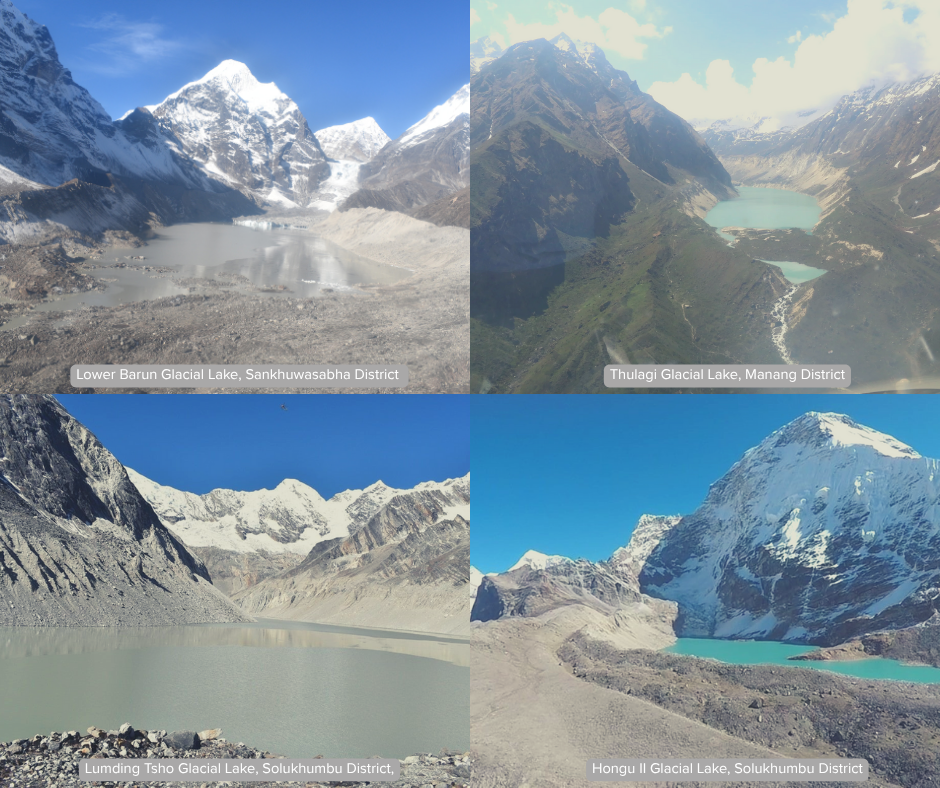


Comment