The Tourism Times | Breaking tourism-related news from Nepal and beyond
°C
Environment
Nepal braces for monsoon impact: Travel alerts issued as rains intensify
By
Tourism Times
Published at : 30 Jun 2025, 12:00 AM
KATHMANDU: Nepal's tourism sector is heading into the full swing of the monsoon season, with the Meteorological Forecasting Division (MFD) issuing a comprehensive weather bulletin today, predicting increased rainfall across much of the country. While the monsoon brings lush green landscapes and fewer crowds, the forecast highlights potential disruptions for travelers, particularly concerning transportation and outdoor activities.
According to the MFD's bulletin, issued at 8:00 AM on June 30, monsoon winds are actively affecting the entire nation. The low-pressure trough has shifted northward, bringing the brunt of the rainfall closer to western Nepal.
Current conditions and forecasted impact:
As of Monday morning, Bagmati, Gandaki, Lumbini, Karnali, and Sudurpashchim Provinces are experiencing generally cloudy conditions. Light to moderate rainfall with thunder and lightning is already observed in parts of Sudurpashchim's Terai region, with light rain in Koshi and Karnali.
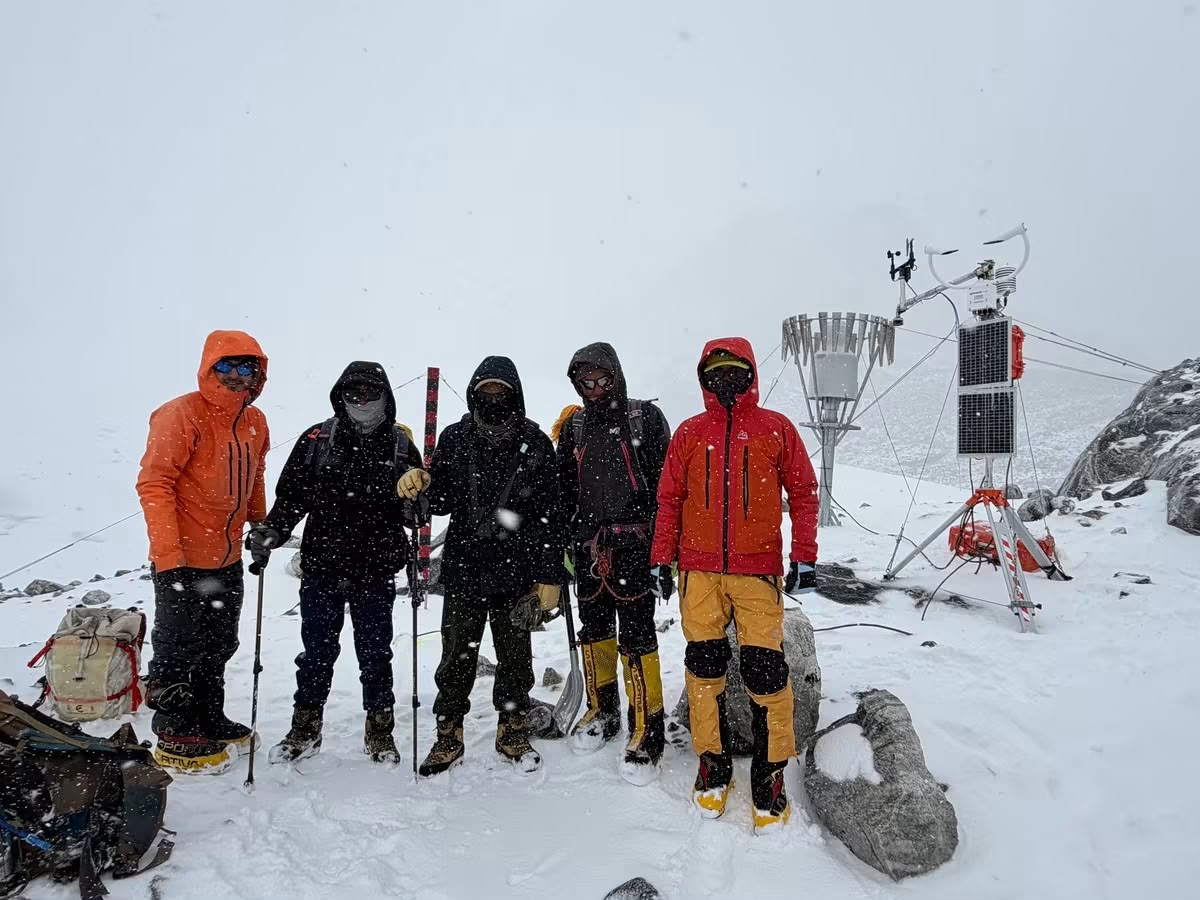
The MFD warns that over the next 24 hours, light to moderate rainfall with thunder/lightning is likely in many places in the hilly regions of Koshi, Gandaki, Lumbini, Karnali, and Sudurpashchim Provinces. Crucially for the tourism industry, heavy to very heavy rainfall is possible in one or two places in Koshi, Bagmati, Gandaki, and Sudurpashchim Provinces. This includes the Kathmandu Valley and popular trekking regions. High mountainous and Himalayan regions may also see light rain or snowfall.
Key concerns for travellers:
Flight disruptions: With visibility likely to be reduced due to dense cloud cover and thunderstorms, flights to and from hilly and remote destinations could face delays or cancellations. Domestic air travel, especially to popular tourism gateways like Pokhara, Lukla, and Bharatpur, may be affected.
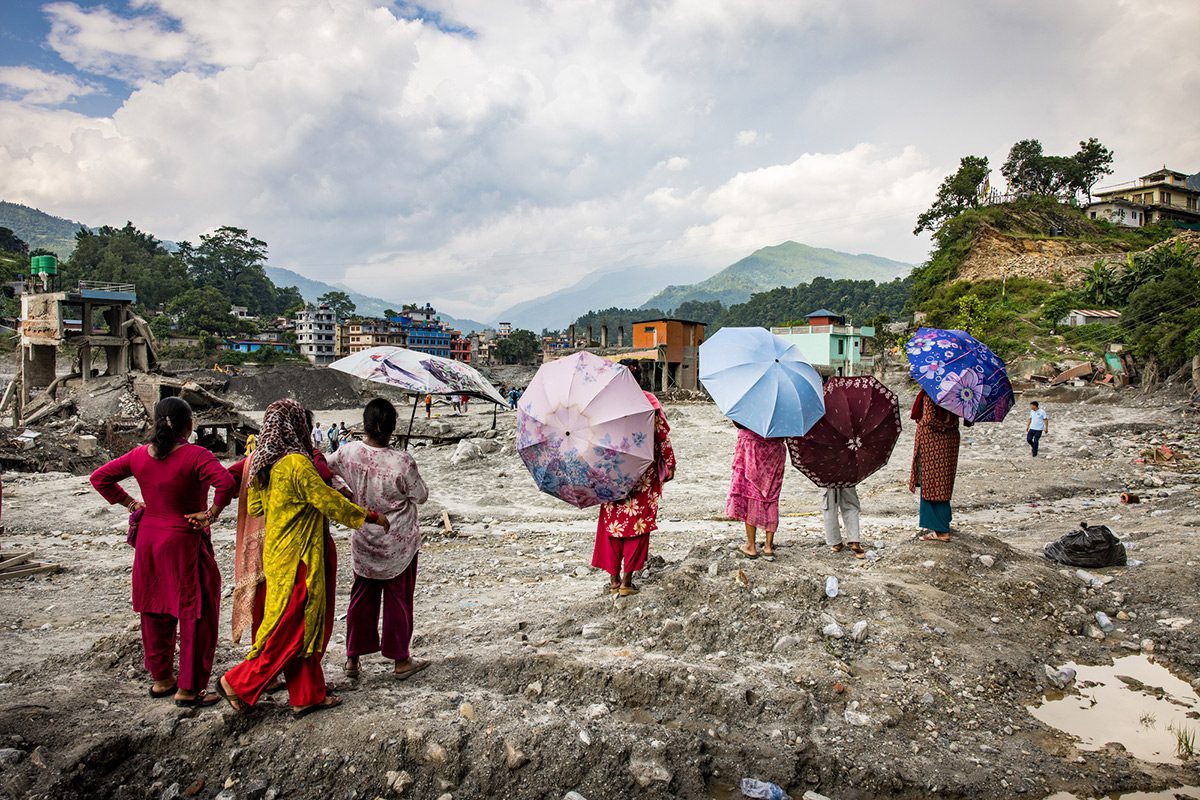
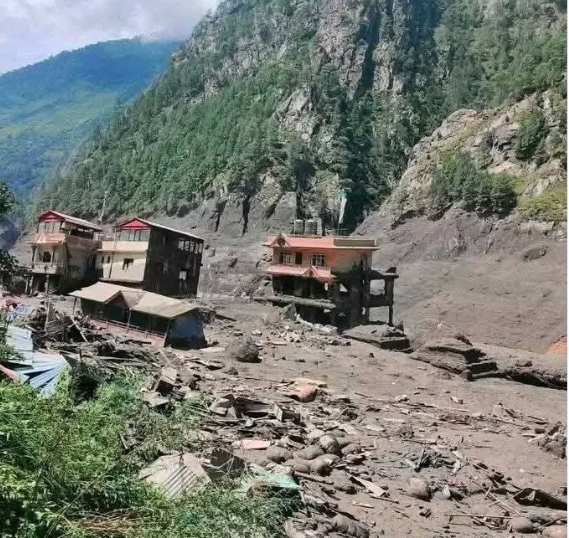
Road connectivity: The most immediate concern is the risk of rising river water levels, flash floods, inundation, landslides, and soil erosion. This can severely impact road travel, leading to blockages and delays on national highways, which are vital for connecting tourist destinations. Key trekking routes and overland travel corridors may be temporarily inaccessible, posing challenges for tourists in transit or planning trips.
Adventure tourism caution: Activities such as rafting, trekking, jungle safaris, and mountain expeditions may be restricted or cancelled due to rising river levels and unpredictable weather in national parks and adventure hubs. Many popular trails, especially in the mid-hills, become slippery, muddy, and prone to leeches. Mountain views may also be obscured by persistent cloud cover, which can be disappointing for trekkers.
Pilgrimage and cultural travel: Pilgrimage destinations like Muktinath, Lumbini, and Janakpur may experience decreased accessibility due to weather-related travel disruptions.
The Department has urged the public, and by extension, all travelers, to "stay alert and take safety measures" to avoid hazards to health, agriculture, daily life, and transport. This includes being aware of surroundings, especially near rivers and hilly terrains.
Travellers are advised to check weather forecasts, stay in touch with local authorities or guides, and avoid travel to high-risk areas during this period.
Despite the challenges, the monsoon season in Nepal offers a unique and often underappreciated travel experience for those willing to embrace it. The countryside comes alive in lush shades of green, waterfalls flow at their most spectacular, and the relative lack of tourists creates a more peaceful, authentic atmosphere.
However, the key is preparation. Travelers visiting Nepal during the monsoon are encouraged to: Stay updated with official weather forecasts.
Pack appropriately with waterproof jackets, sturdy footwear, and rain covers for backpacks.
Be flexible with travel plans and prioritize safety over a strict itinerary.
Hire experienced local guides, especially for trekking, as they are familiar with changing trail conditions and safe routes.
Choose destinations less impacted by heavy rainfall, such as the rain-shadow areas, or opt for cultural explorations in cities like Kathmandu and Pokhara, which offer enriching experiences even during the rains.


 °C
°C 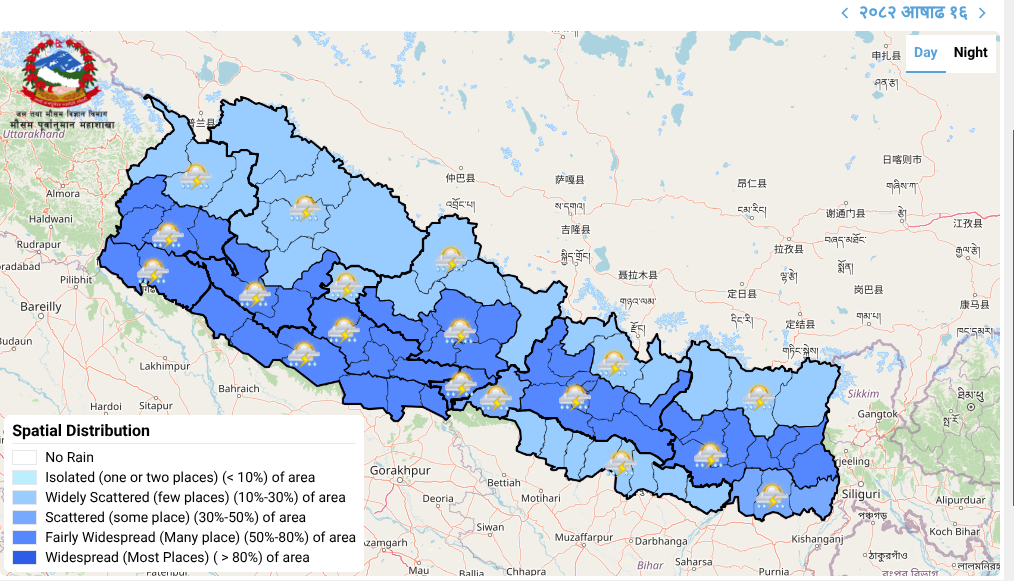


Comment