

 °C
°C High-stakes preparations in Everest region as landmark Climate Summit takes shape
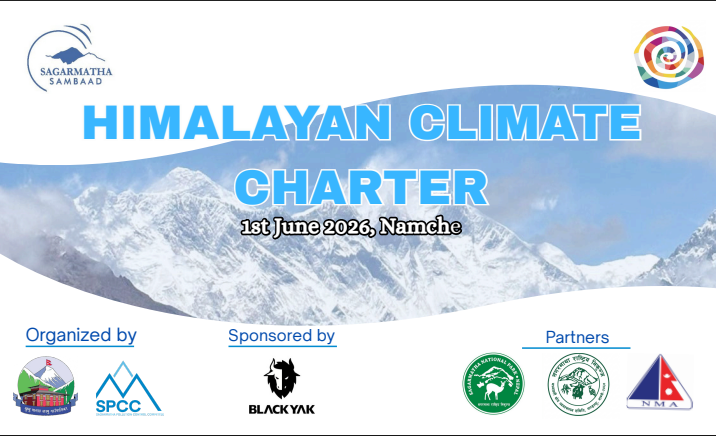
KATHMANDU: High in the Himalayas, where the air thins and ancient glaciers groan under the weight of a warming planet, an unprecedented gathering is taking form. For the first time, the global conversation on mountain climate crises is leaving conference halls behind and moving to the frontline: the Everest region.
Preparations are now in full swing for the Himalayan Climate Charter (HCC) 2026, a summit that promises to shift the paradigm from distant policy debates to gritty, ground-level engagement. Scheduled for June 1 in Namche Bazaar, the event is being organized by the local Sherpa-led Sagarmatha Pollution Control Committee (SPCC) in partnership with the Khumbu Pasang Lhamu Rural Municipality (KPLRM), with vital support from the Blackyak Co. Group.
For decades, mountain communities have faced a cascade of environmental crises: rising temperatures, dangerously accelerating glacier melt, catastrophic Glacier Lake Outburst Floods (GLOFs), biodiversity collapse, and the relentless pressure of growing tourism. While declarations have been signed in distant capitals, real action has often lagged. The HCC 2026 aims to change that.
FROM KATHMANDU TO THE KHUMBU
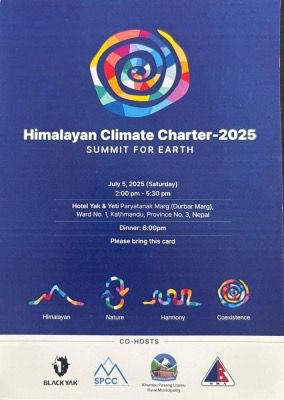
The seeds were planted in 2025, when the Himalayan Climate Charter was first launched in Kathmandu. That initial declaration brought together mountaineers, scientists, policymakers, environmental groups, and local communities under a common cause. But according to Tshering Sherpa, Chief Executive Officer of SPCC, words alone are no longer enough.
“The Himalayan Climate Charter 2026 is about shifting the conversation from policy dialogue to frontline engagement,” Sherpa said, standing against a backdrop of snow-dusted peaks. “By hosting the summit directly in the Everest region, we force a confrontation with reality. Preparations are in full swing to make HCC 2026 a success.”
The choice of Namche Bazaar—the legendary Sherpa trading hub and gateway to Everest—is symbolic and strategic. It is a place where the impacts of climate change are not abstract data points but lived, daily experiences. Trekkers and locals alike have watched the once-reliable snowfall become erratic, and the great Khumbu Glacier retreat by metres each year.
WALKING THE RUINS OF A CLIMATE DISASTER
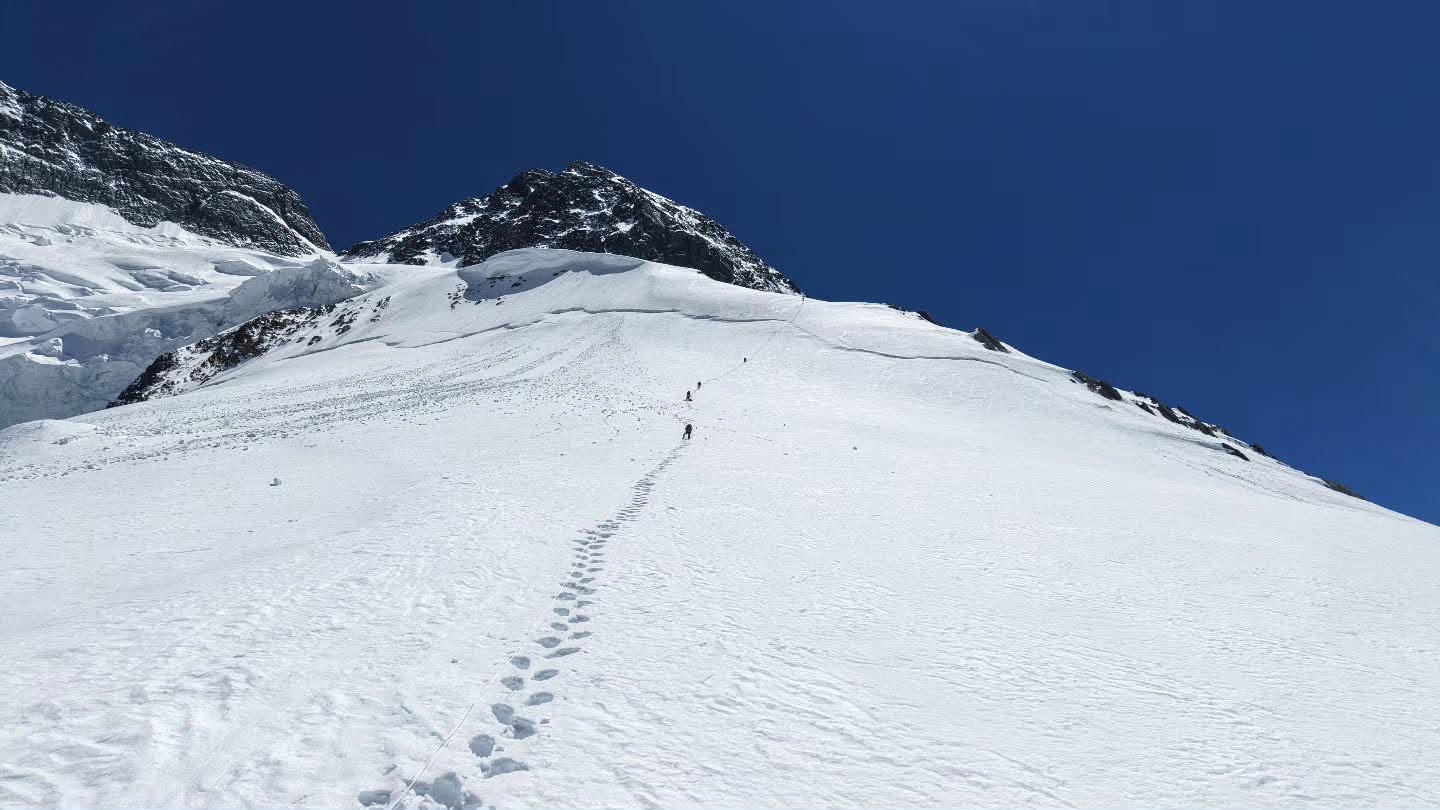
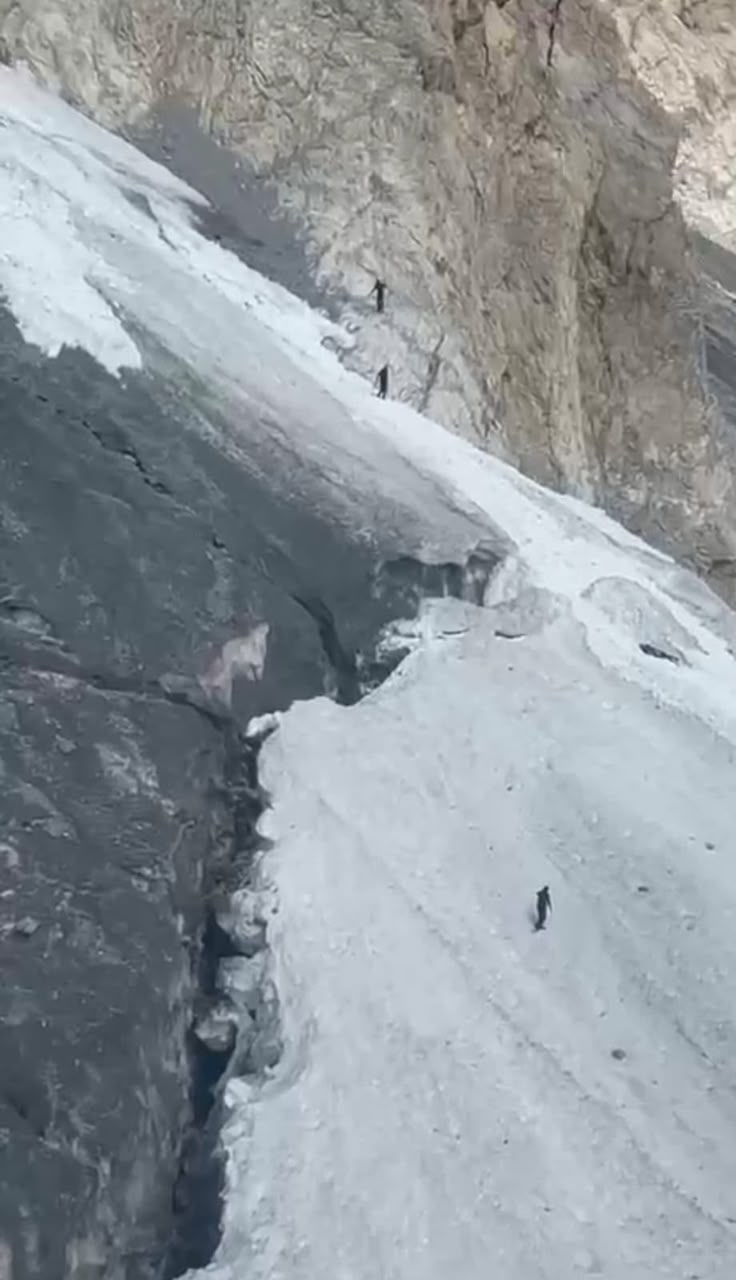
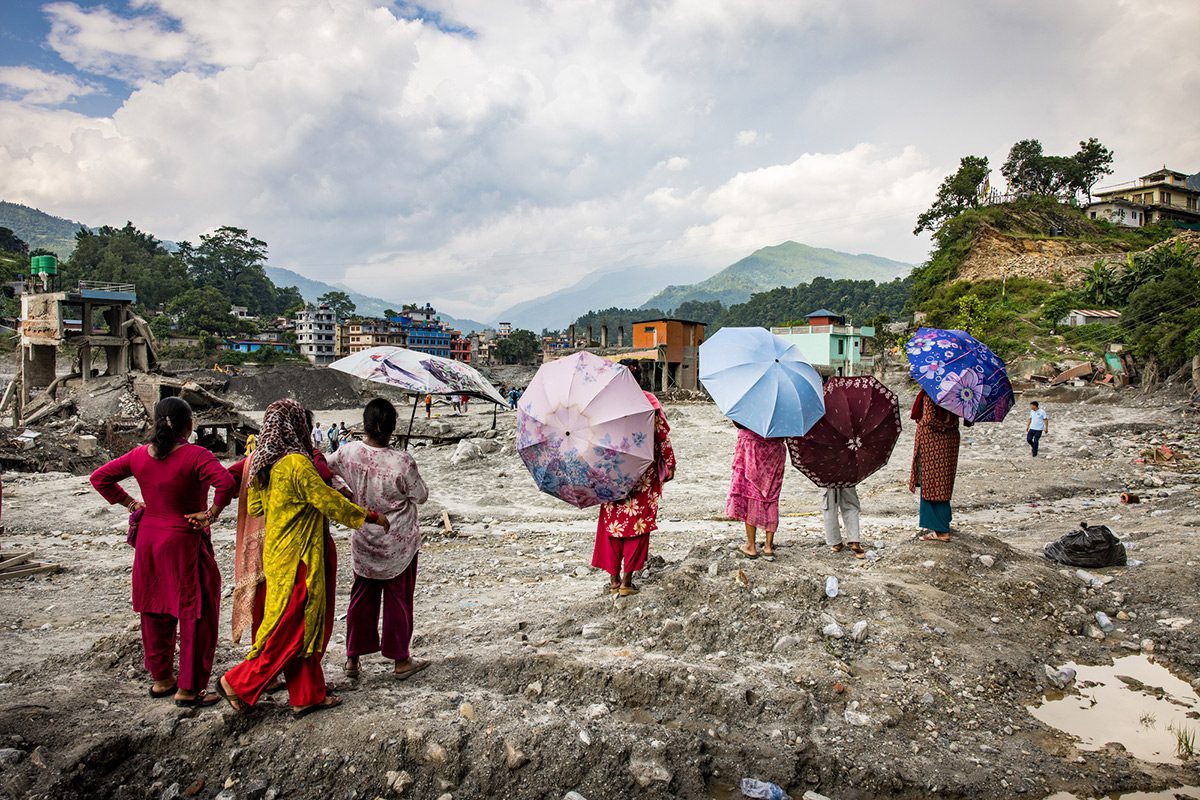
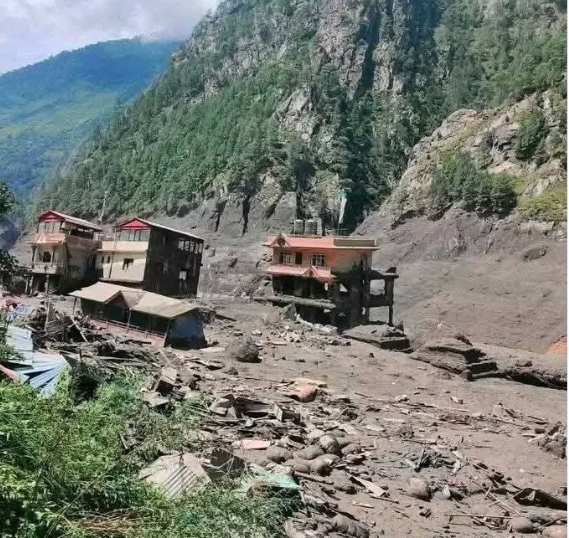
The summit’s agenda goes far beyond indoor speeches. Organizers have planned a powerful series of side events, including a field visit to the Thame area—a community still scarred by devastating GLOF events. The ruins there stand as stark, silent witnesses to what happens when a glacial lake breaches its natural dam, sending a torrent of ice and debris down a valley.
“Participants will experience firsthand the realities of climate change in the Himalayas,” Tshering Sherpa added. “They will engage directly with local communities, researchers, and conservation practitioners. This is not a sightseeing tour. It is an education in urgency.”
Mingma Chhiri Sherpa, Chairman of the Khumbu Pasang Lhamu Rural Municipality, emphasized that HCC 2026 is deeply aligned with the spirit of the Sagarmatha Sambaad 2025—the national mountain dialogue’s “Call for Action.” That document reaffirmed the critical need to limit global temperature rise to 1.5°C, strengthen climate resilience, promote climate justice, and improve access to international climate finance.
“We recognize the vital role of mountain ecosystems, local communities, Indigenous knowledge systems, science, technology, and regional cooperation,” Mingma Chhiri Sherpa said. “HCC 2026 is not a separate event. It is a value-adding platform that translates global climate dialogue into localized action, community-centred engagement, and mountain-focused partnerships.”

File Photo
BRIDGING SCIENCE AND INDIGENOUS WISDOM
Among the most ambitious goals of the summit is the integration of Traditional Ecological Knowledge (TEK) with modern climate science. For generations, Sherpas and other Indigenous Peoples and Local Communities (IPLCs) have read the mountains—predicting weather, managing grazing lands, and navigating glaciers. Their knowledge, often dismissed as folklore, is now being recognized as a critical tool for adaptation.
Discussions at HCC 2026 will cover a wide spectrum of threats: glacier retreat, water insecurity, biodiversity loss, shifting livelihoods, and the paradoxical problem of tourism—an economic lifeline that also contributes to waste and environmental stress.
The summit will also shine a light on climate justice, with dedicated sessions on equitable finance access and inclusive action for the most vulnerable: women, youth, Indigenous communities, persons with disabilities, senior citizens, farmers, herders, and mountain workers.
INNOVATION ON THE ROOF OF THE WORLD
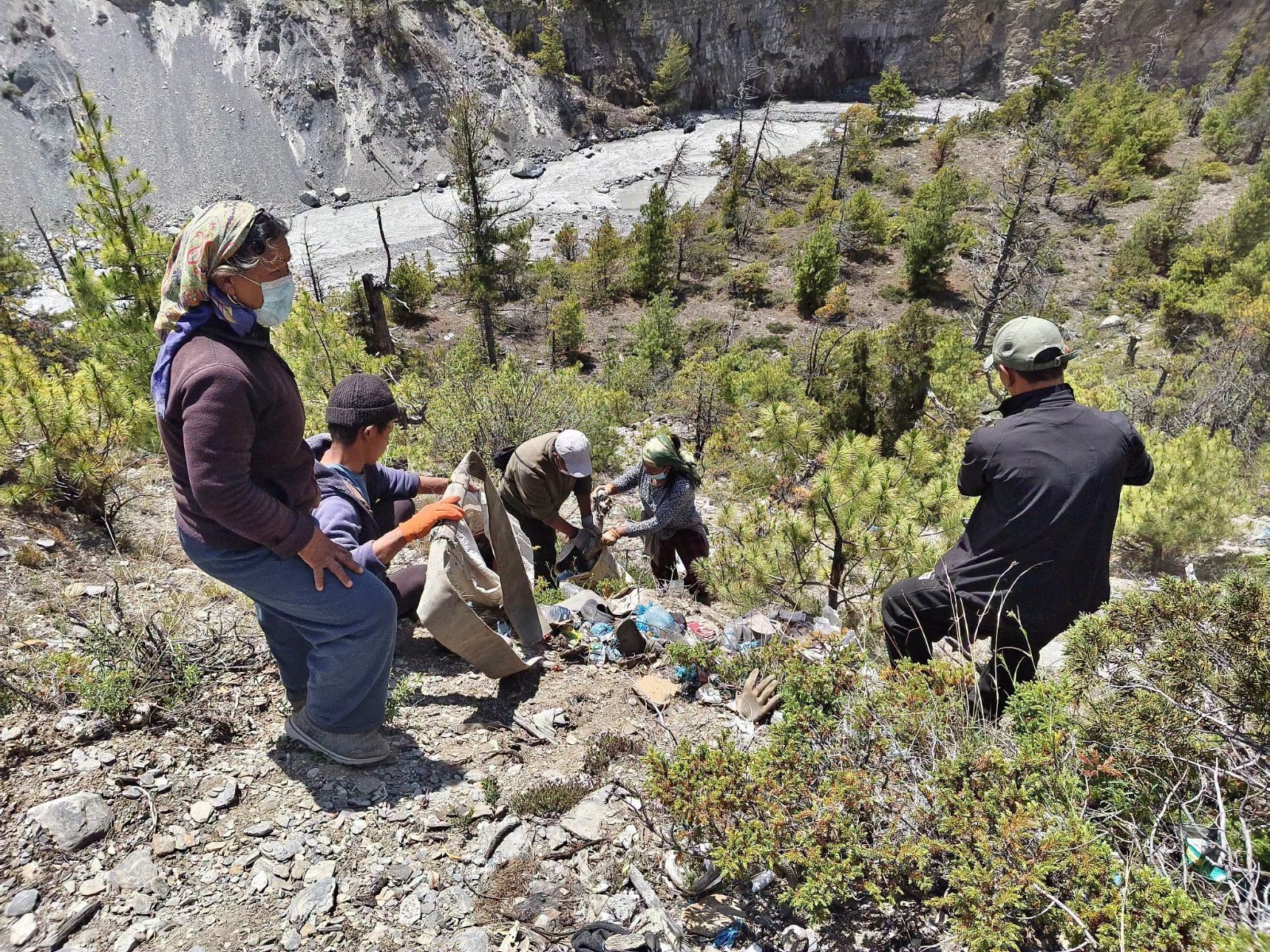
Beyond awareness, the organizers are pushing for tangible, innovative solutions. These include sustainable waste management, circular economy models, clean energy alternatives for high-altitude lodges, and environmentally responsible tourism practices. Partnerships will be forged around early warning systems, climate data sharing, and capacity building.
“We want to inspire new investments and commitments toward resilient infrastructure and conservation initiatives,” said an SPCC representative. “And we want to contribute to the vision of Sagarmatha Sambaad 2026 by serving as a frontline Himalayan platform—one that connects global climate dialogue with local realities, mountain voices, and actionable commitments.”
WHO WILL BE THERE?
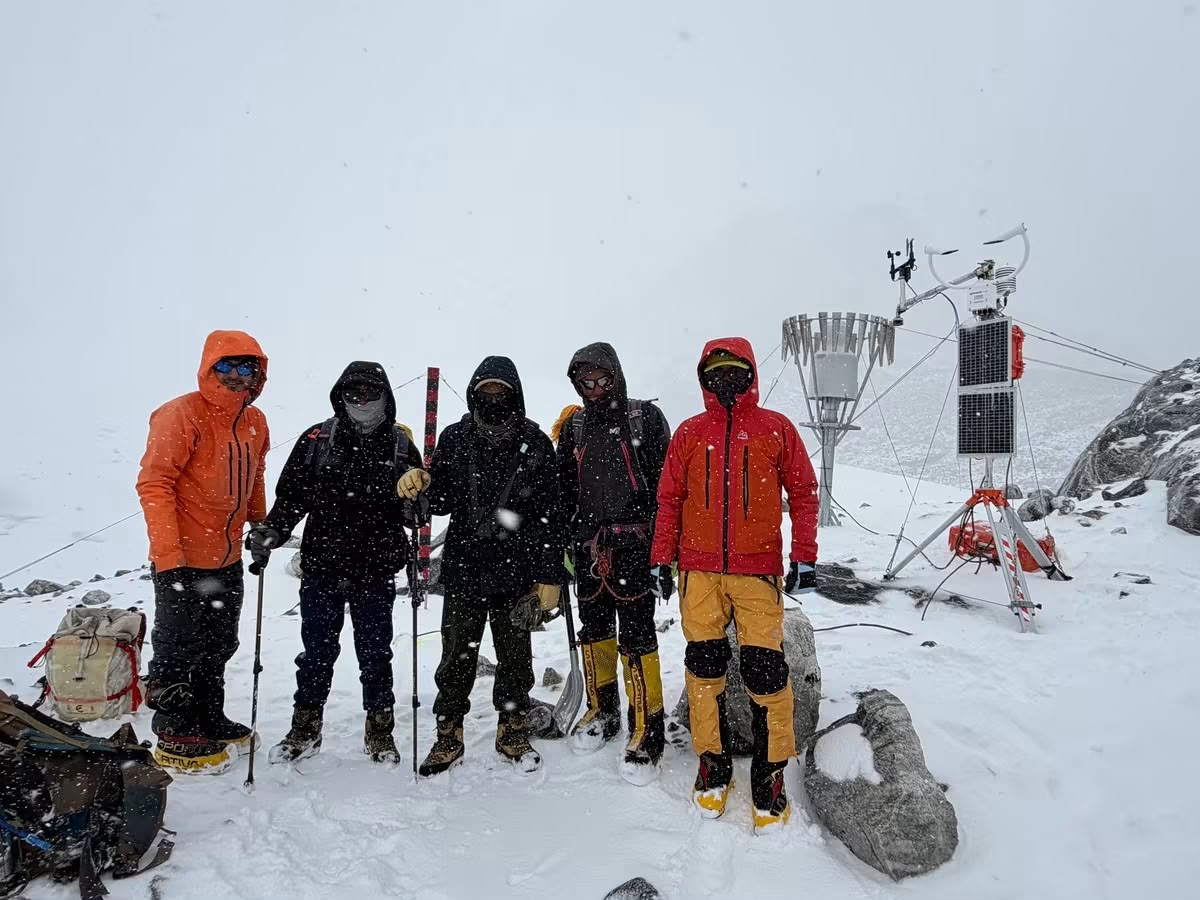
Around 100 local participants are expected: local government representatives, community leaders, youth and women leaders, tourism entrepreneurs, environmental groups, and local researchers. They will be joined by national figures—government officials, scientists, mountaineering sector representatives—and an international contingent of diplomats, development partners, and media.
“The goal,” SPCC’s CEO Tshering Sherpa reiterated, “is not just to create awareness. It is to build lasting partnerships and collaborative opportunities that extend far beyond the summit. The mountains are calling. This time, we intend to answer with action.”
As the June 1 opening date approaches, the windswept streets of Namche Bazaar are buzzing with quiet anticipation. For a region that has given the world so much—courage, beauty, and the spirit of high adventure—the world may finally be coming back to give something in return: a fighting chance.
Comment