

 °C
°C Early Warning System Assessment completed in Khumbu region
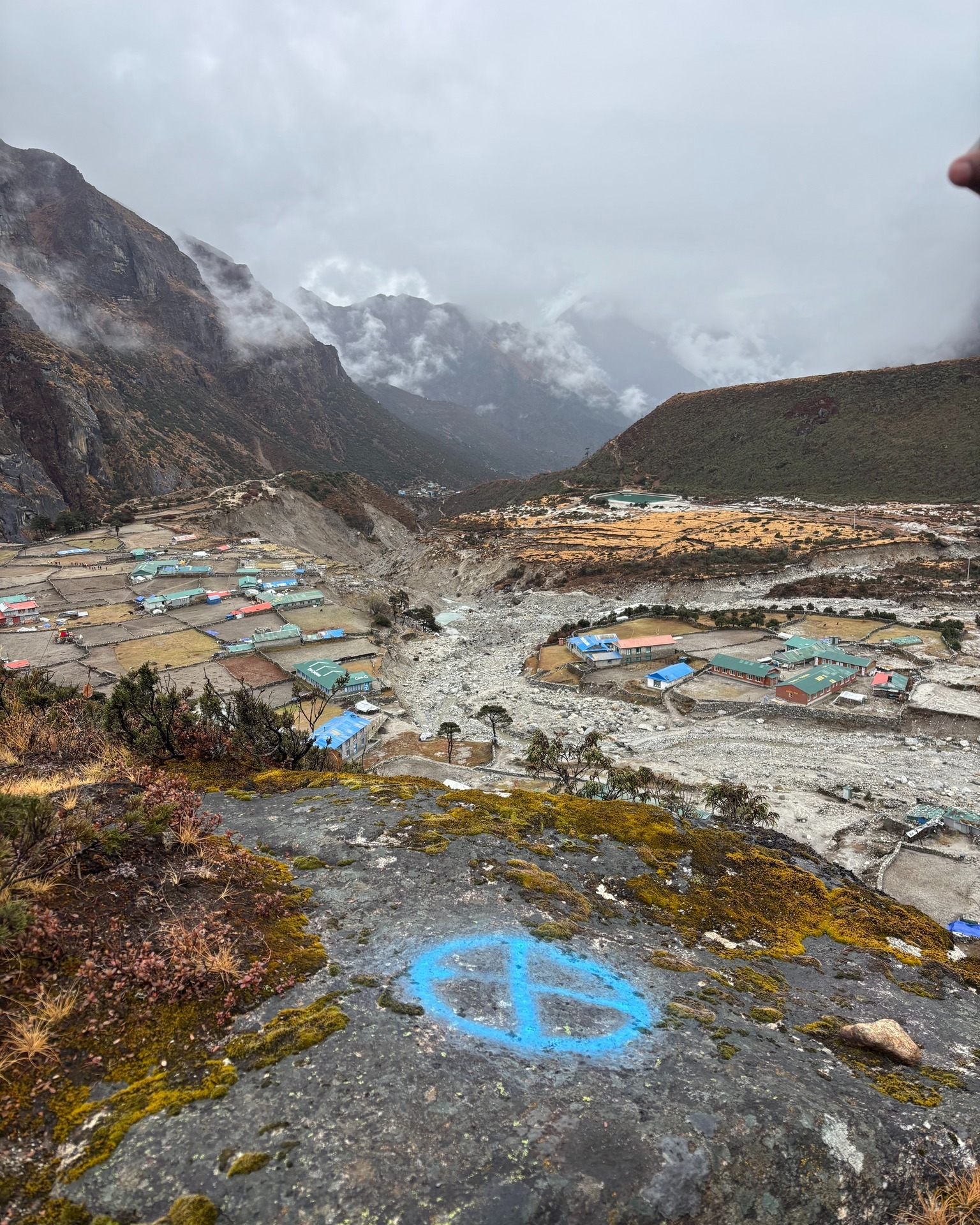
American Himalayan Foundation-backed project identifies safe zones for glacier lake hazard mitigation
KATHMANDU: A comprehensive site assessment for an Early Warning System (EWS) in Thame and downstream settlements of Khumbu has been completed, marking a critical step toward strengthening glacier lake outburst flood (GLOF) preparedness in the Everest region, the Sagarmatha Pollution Control Committee (SPCC) said.
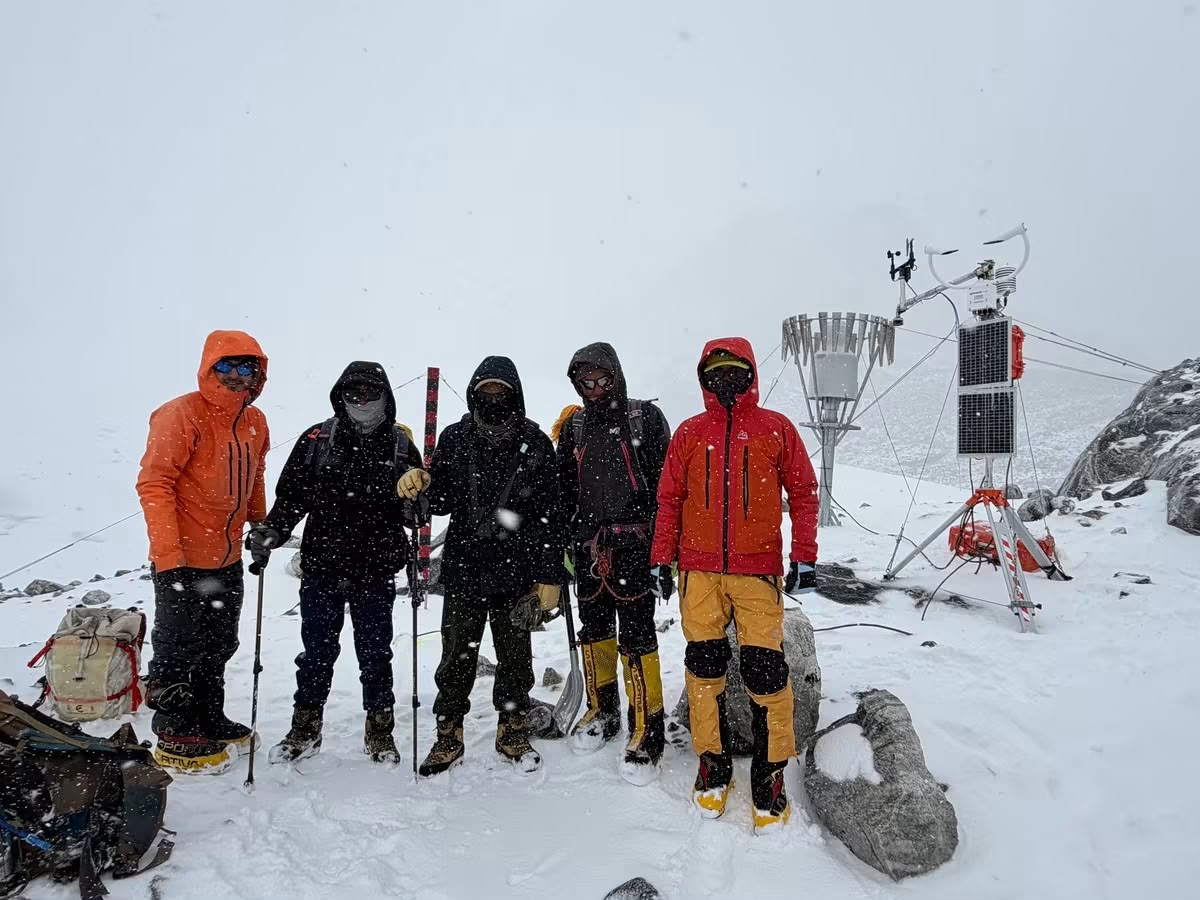
Backed by the American Himalayan Foundation (AHF), the assessment identified specific safe zones where residents can seek refuge during potential flood emergencies triggered by unstable glacial lakes. The fieldwork was carried out jointly by SPCC, Khumbu Pasanglhamu Rural Municipality and the Cryosphere Society of Nepal.
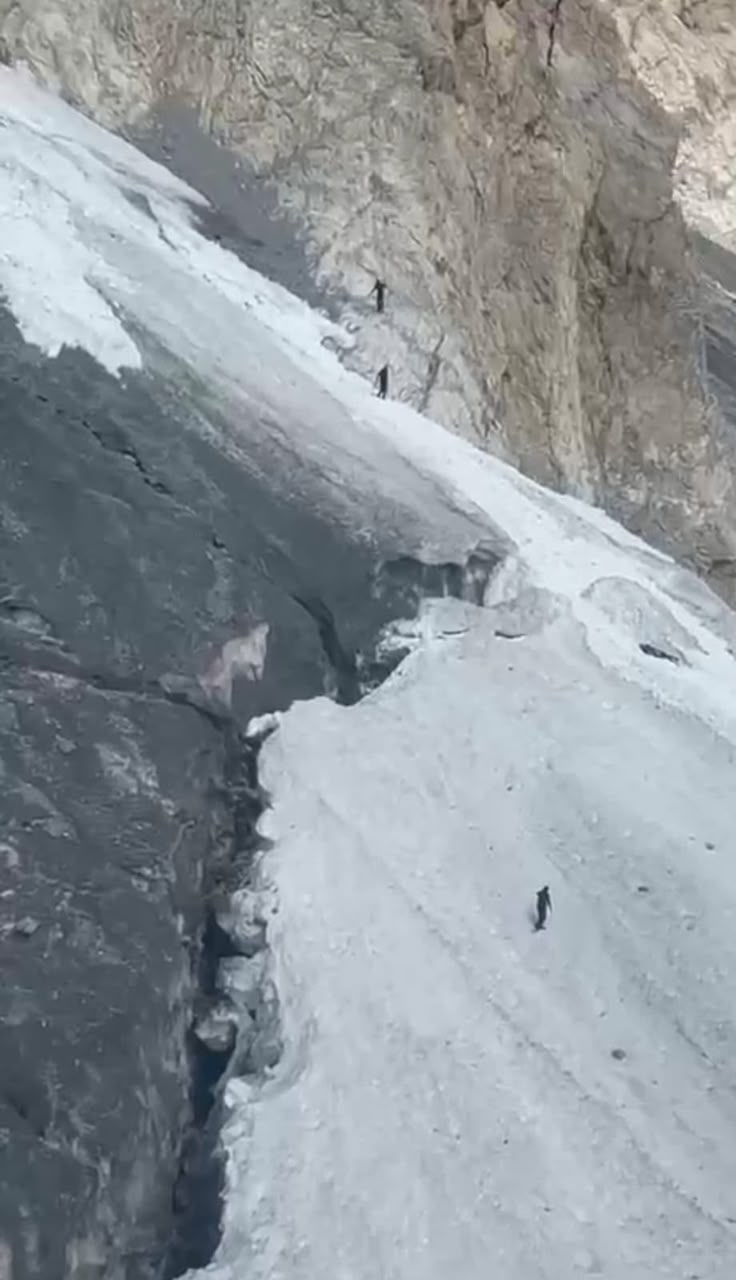
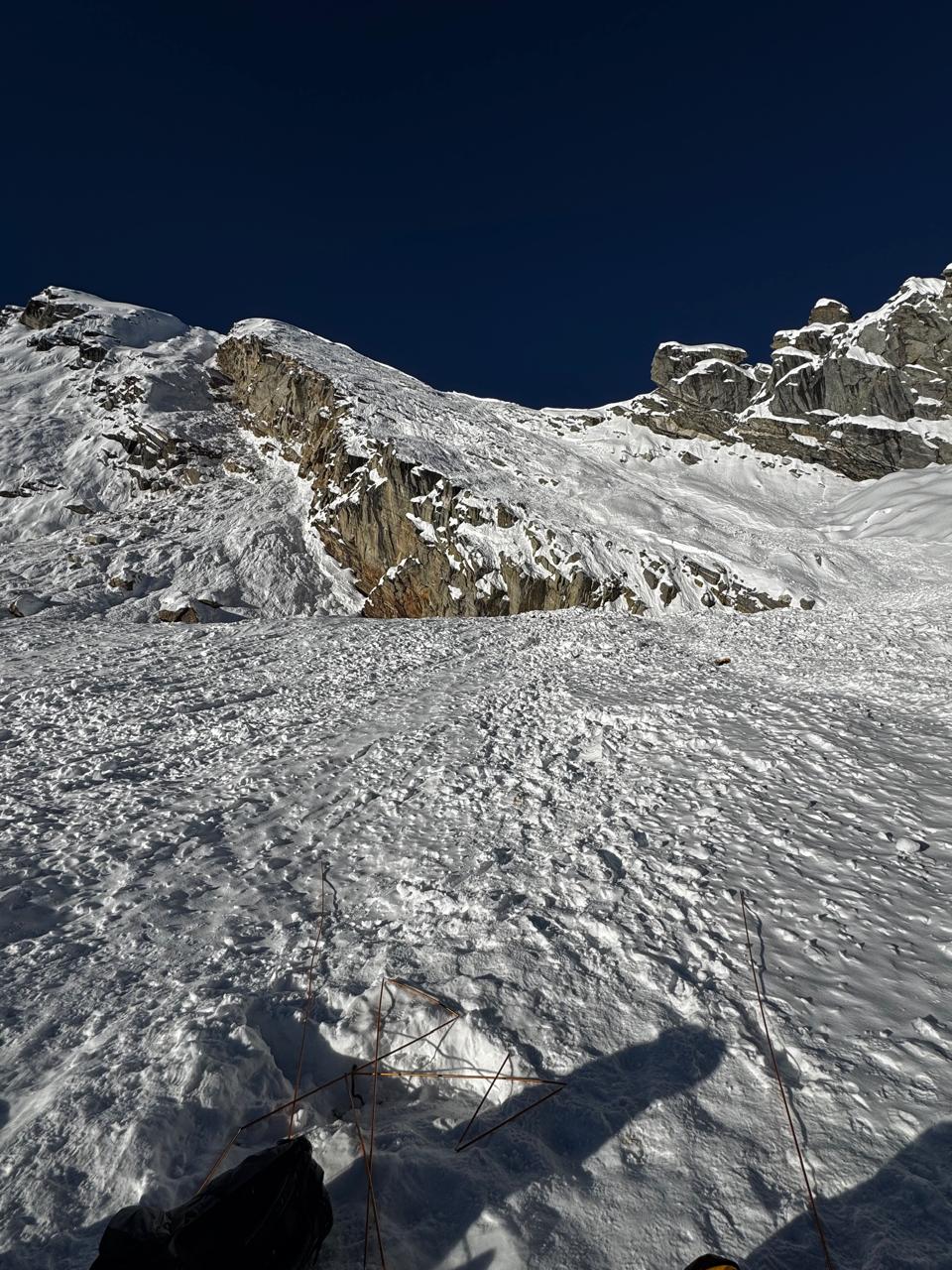
Despite knee-deep snow and repeated avalanches from surrounding peaks, the assessment team, comprising Pasang Ngima Sherpa, Tenzing Chogyal Sherpa, Uday BC and Mingma Sherpa, completed the survey under challenging high-altitude conditions, SPCC noted.
The initiative blends modern technology with indigenous knowledge and local leadership to build a community-centred early warning system aimed at protecting some of Nepal’s most vulnerable mountain settlements.
Project builds on last year’s GLOF disaster
The initiative follows the project titled “Early Warning and Community-Based Emergency Response Preparedness for GLOF Resilience in Thame and Downstream Villages,” introduced during an inception workshop in Kathmandu earlier on July. Supported by AHF, it focuses on early warning devices, community training, and inclusive disaster preparedness planning. The project planned to install sirens, hydrological sensors, and SMS alert systems while forming village-level response teams. Communities will receive training on evacuation routes and safety measures to minimise future risks for both residents and trekkers.
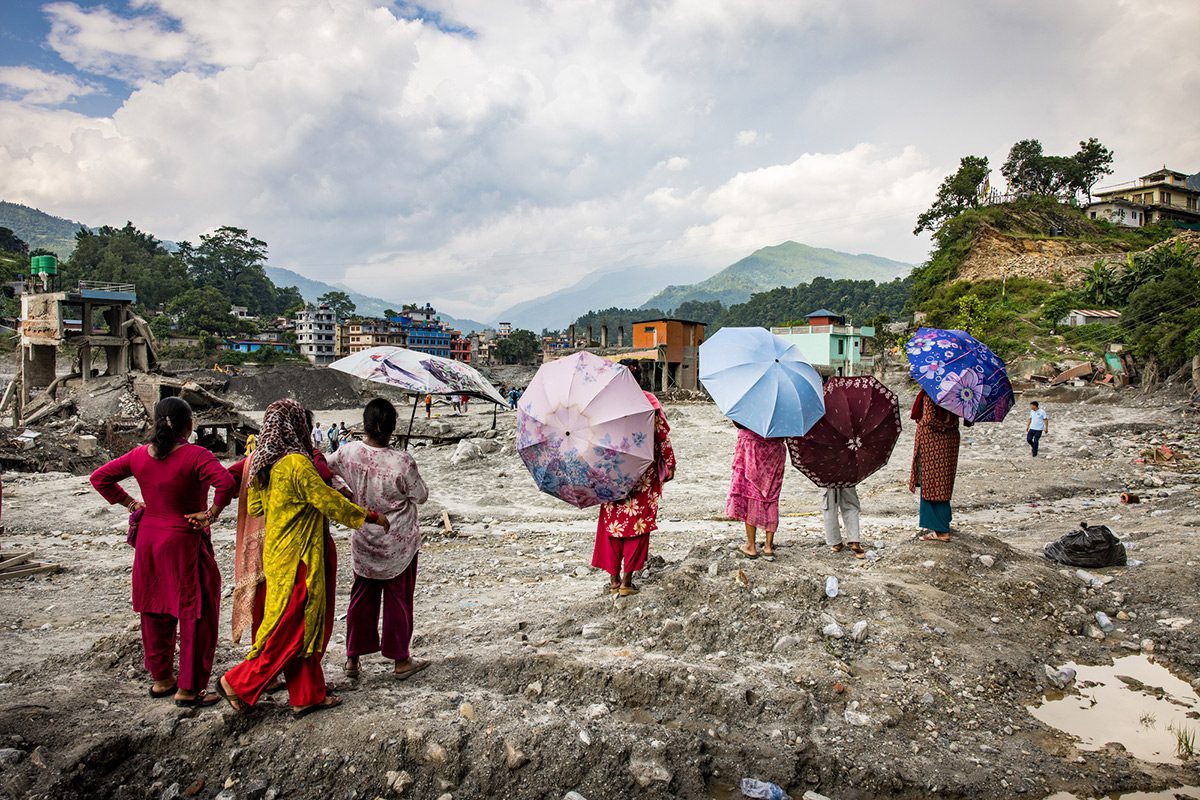
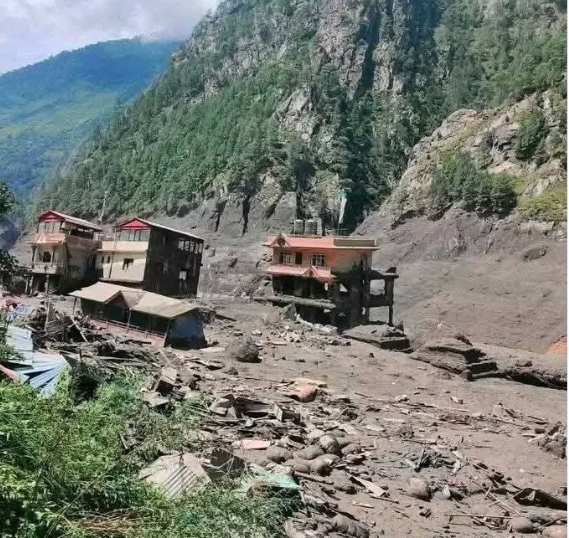
Last August, a sudden GLOF from Ngole Lake damaged houses, trails and infrastructure in Thame village, disrupting daily life and trekking routes. Although there were no casualties, the event underscored the growing climate risks in the Everest region.
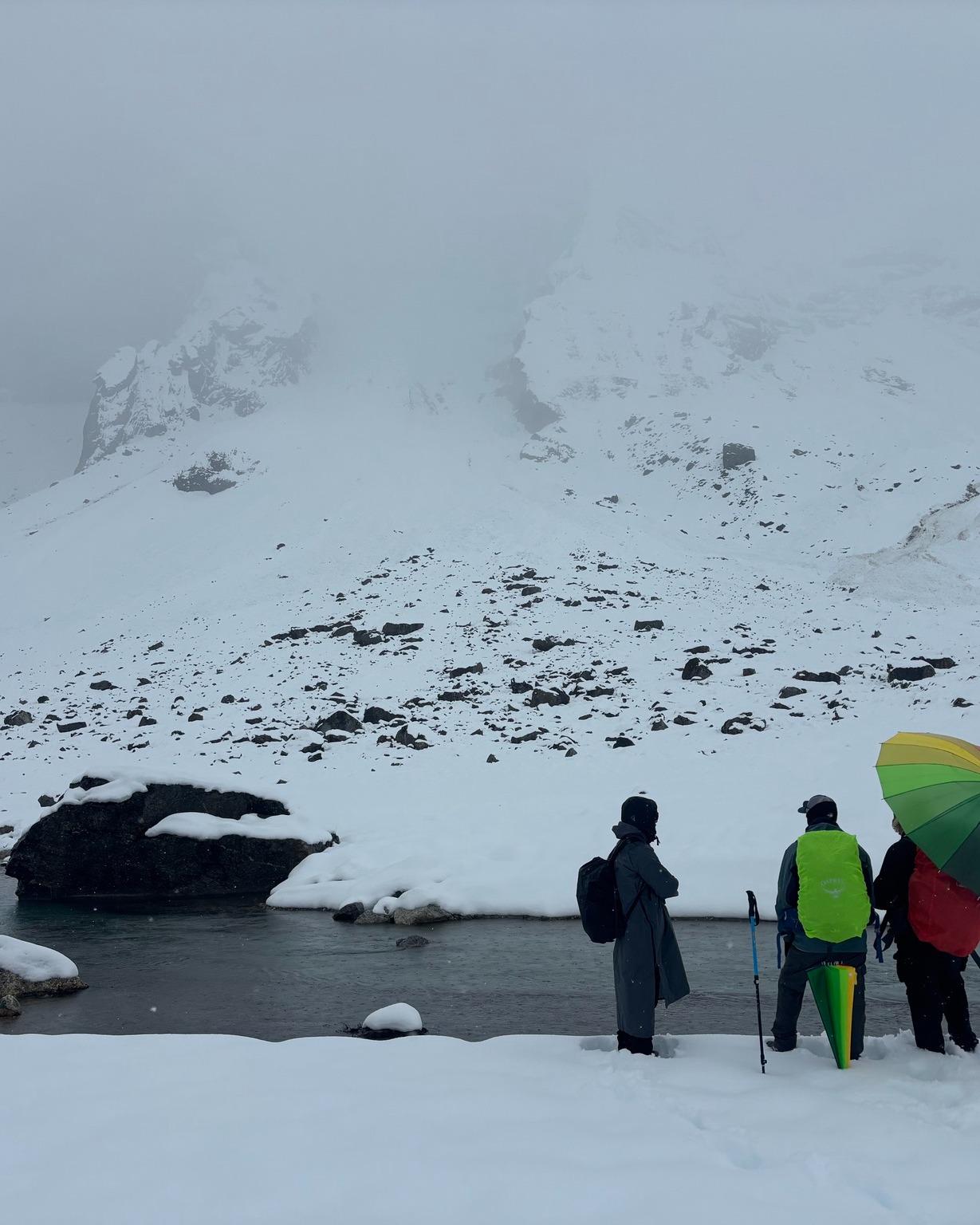
Photo Courtesy: SPCC/facebook
Strong local cooperation
SPCC highlighted the collaborative nature of the site assessment. Support came from Khumbu Pasanglhamu Rural Municipality Chairperson Mingma Sherpa, Ward-5 Chairperson Pasang Gyalzen Sherpa, and Ward-3 Chairperson Nuru Jangbu Sherpa. Major Jivan Gurung of the Nepal Army and Nepal Police personnel also assisted in field operations.
“This reminds us that true resilience is built when science, indigenous knowledge and institutions move together. Indigenous leadership is not just an addition to this project — it is its foundation,” SPCC said.




Comment