The Tourism Times | Breaking tourism-related news from Nepal and beyond
°C
Environment
Asia warming at twice the global average, faces escalating climate extremes: WMO
By
Tourism Times
Published at : 29 Jun 2025, 12:00 AM
KATHMANDU: Asia is heating up nearly twice as fast as the global average, triggering record marine heatwaves, faster glacier melt, and devastating floods and droughts across the region, according to the State of the Climate in Asia 2024 report released by the World Meteorological Organization (WMO).
The report highlights 2024 as the warmest or second warmest year on record for the continent, with average temperatures 1.04°C above the 1991–2020 average. This rapid warming trend is putting lives, livelihoods, and ecosystems at severe risk, especially in vulnerable regions such as the Himalayas and low-lying coastal areas.
Key findings:
Temperature rise: The warming trend from 1991–2024 was nearly double the 1961–1990 period. Heatwaves gripped large parts of East, South, and Central Asia, with Myanmar recording its highest-ever temperature of 48.2°C.
Oceans: Sea surface temperatures across Asia’s waters hit record highs in 2024, with the region experiencing the worst marine heatwaves since records began in 1993. Nearly 15 million sq. km of ocean—10% of the global surface—was impacted during August and September.
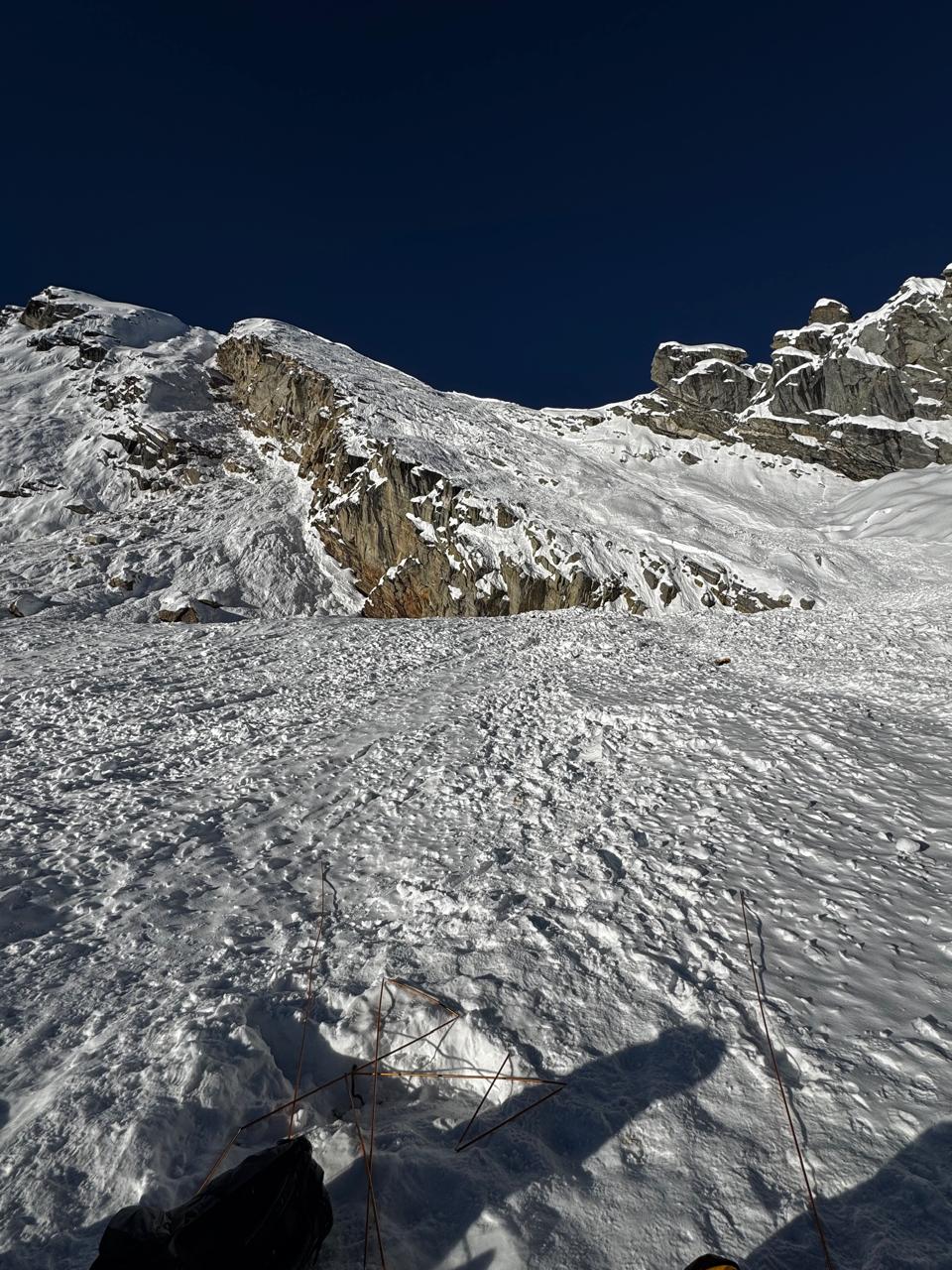
Glacier retreat: Accelerated glacier loss was recorded in the Himalayas and Tian Shan ranges, with 23 out of 24 glaciers suffering mass loss. Urumqi Glacier No.1 in eastern Tian Shan reported its most severe shrinkage since 1959.
Sea-level rise: Coastal regions along the Indian and Pacific Oceans saw sea levels rise faster than the global average, threatening millions living in low-lying areas.
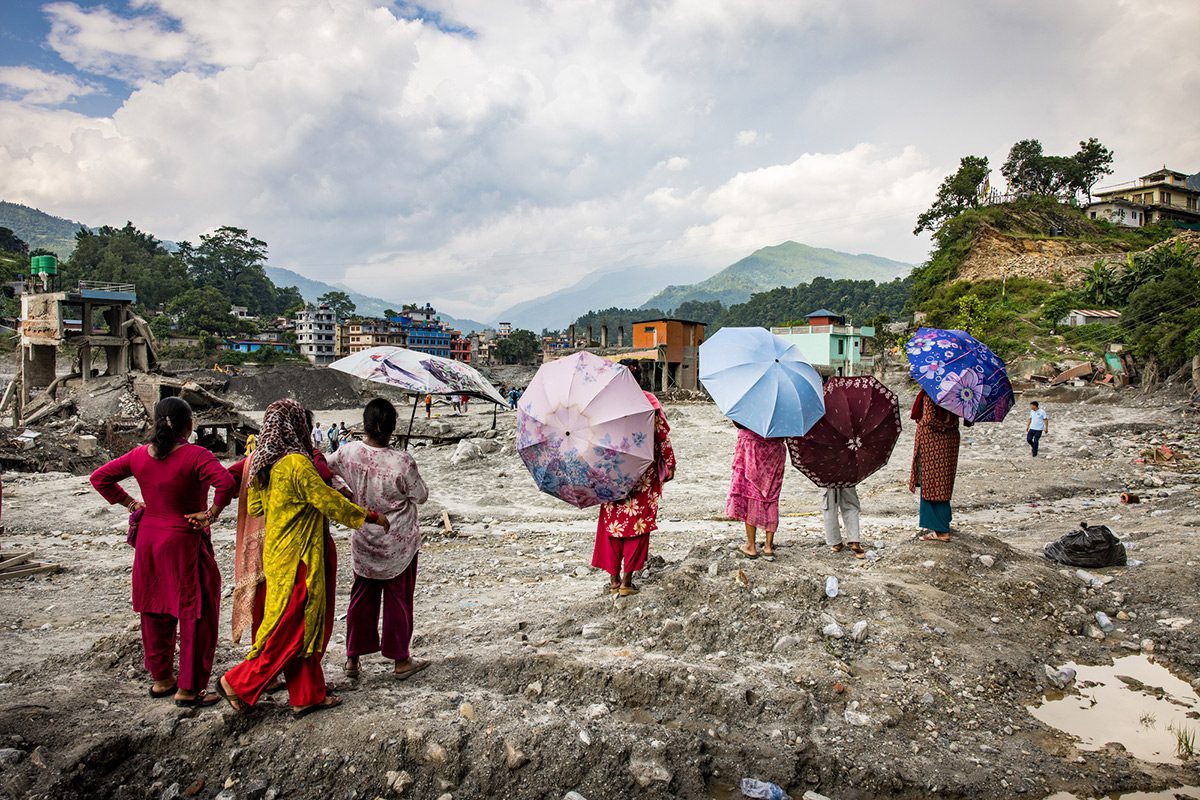
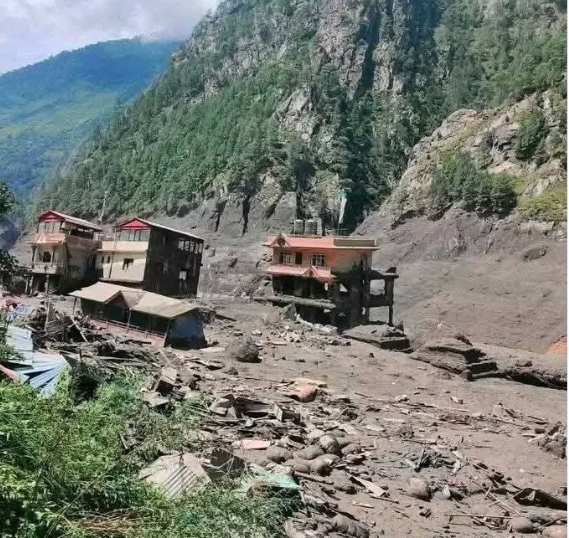
Extreme events: From Cyclone Yagi’s devastation across Southeast Asia to severe flooding in Central Asia and Nepal, extreme weather events intensified in both frequency and severity. Nepal alone reported 246 deaths and over Rs 12.85 billion in damages from September floods.
Drought impact: China faced significant agricultural losses from drought, affecting nearly 4.8 million people and causing over US$400 million in damages.
Despite the grim trends, the report commends the role of improved early warning systems. A case study from Nepal demonstrated how anticipatory action and forecasting helped protect over 130,000 people from flood-related health risks and casualties.
WMO Secretary-General Celeste Saulo emphasized, “Extreme weather is exacting an unacceptably high toll. The role of national meteorological services is more critical than ever in saving lives and livelihoods.”
The findings underscore the need for urgent climate adaptation, risk mitigation, and policy alignment across Asia. The State of the Climate in Asia report, a flagship WMO publication, serves as a key reference for decision-makers seeking to build resilience in one of the world’s most climate-sensitive regions.





 °C
°C 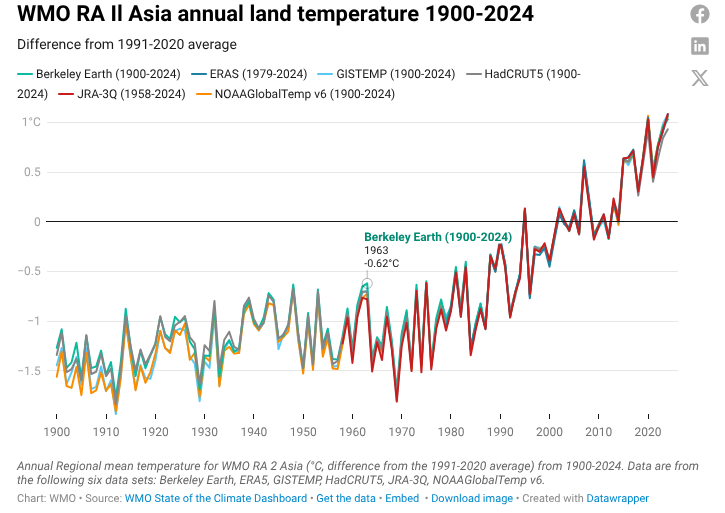




Comment