The Tourism Times | Breaking tourism-related news from Nepal and beyond
°C
Environment
15 waste-segregation stations planned along Everest trekking route
Photo Courtesy: SPCC
By
Tourism Times
Published at : 29 Nov 2026, 12:29 PM
KATHMANDU: The Sagarmatha Pollution Control Committee (SPCC), in collaboration with WWF Nepal, plans to construct 15 environmental stations at major settlements along the Everest Base Camp trekking route to improve waste segregation, collection and recycling.
The stations, planned under the Swachhya Sagarmatha Project, will have five separate compartments for plastics, paper, metal, glass and electronic waste. According to Tshering Sherpa CEO of SPCC, the structures will have protective roofing and fencing to improve durability and protect them from weather and wildlife.
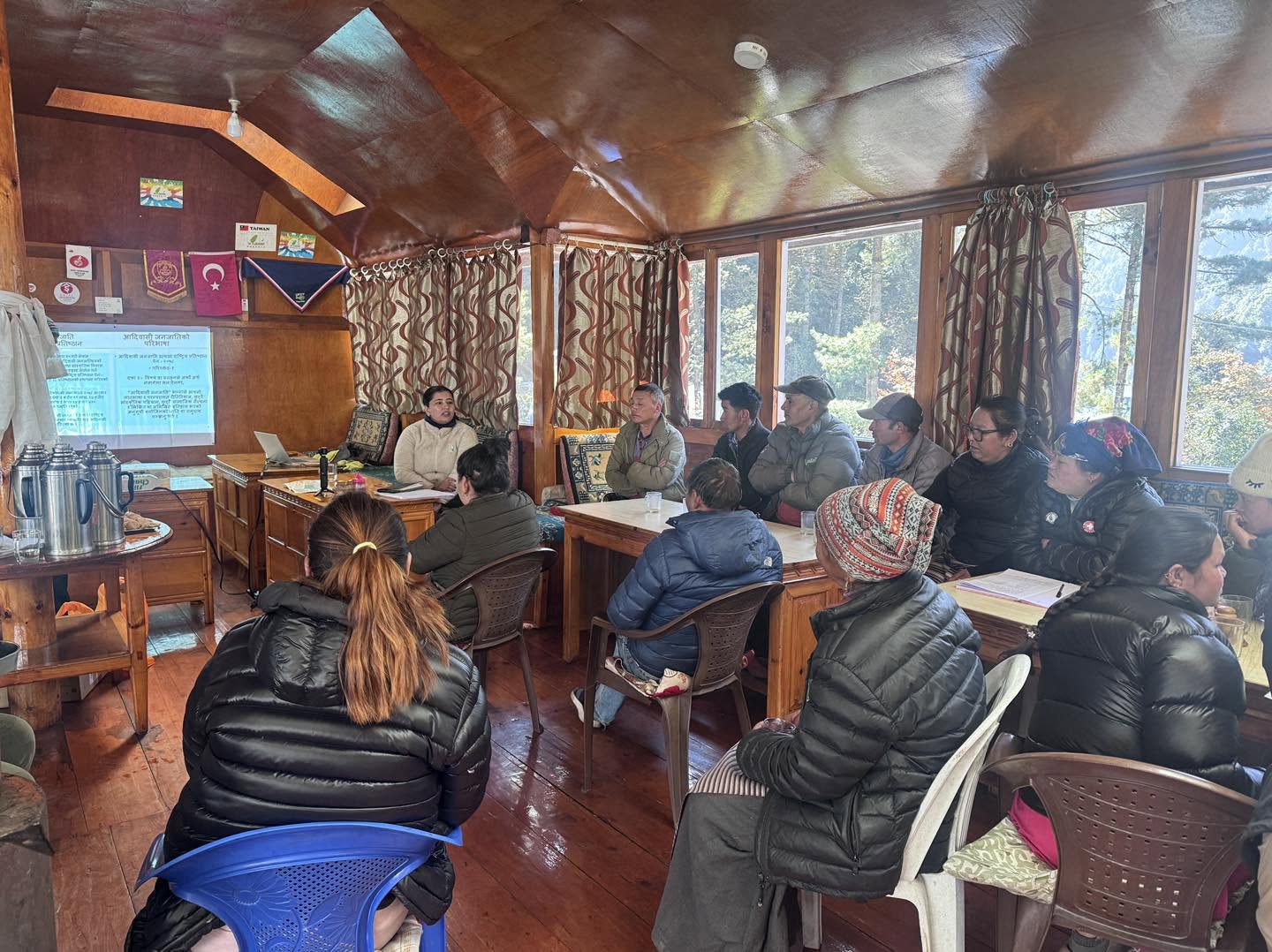
The project teams have also conducted seven Free, Prior and Informed Consent (FPIC) consultations with Indigenous communities in Phakding, Monjo, Namche, Pangboche, Dingboche, Lobuche and Gorakshep, the committee said. Potential sites for the stations have been identified and selected in coordination with local communities, Sherpa added.
The SPCC said the initiative is intended to increase community participation and local ownership in waste management and promote collective responsibility for environmental conservation in the Everest region.
The Everest Base Camp trekking route receives large numbers of trekkers each year, creating a continuing need for waste collection and management in settlements and along the trail.
Established in 1991, SPCC is a local environmental organization overseeing waste management across trekking routes, settlements, and mountain peaks in the Everest Region. According to SPCC, it manages garbage collection on over 60 peaks, including Mt. Everest, and recycles approximately 300 tons of waste annually.
In collaboration with more than 5,000 local communities and volunteers, SPCC also leads seasonal cleanup campaigns, maintains material recovery facilities, and promotes source segregation of waste to support a circular economy in the region.
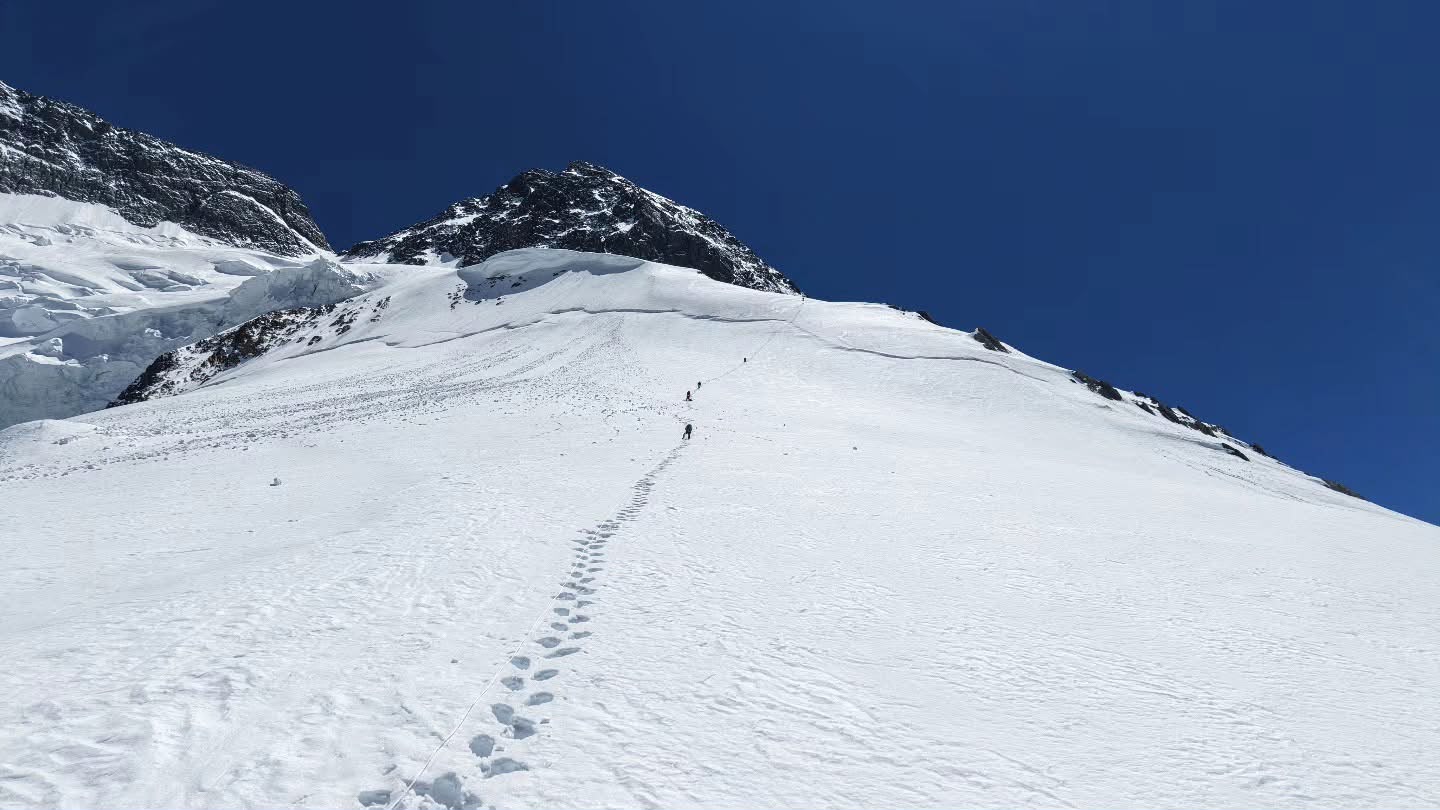
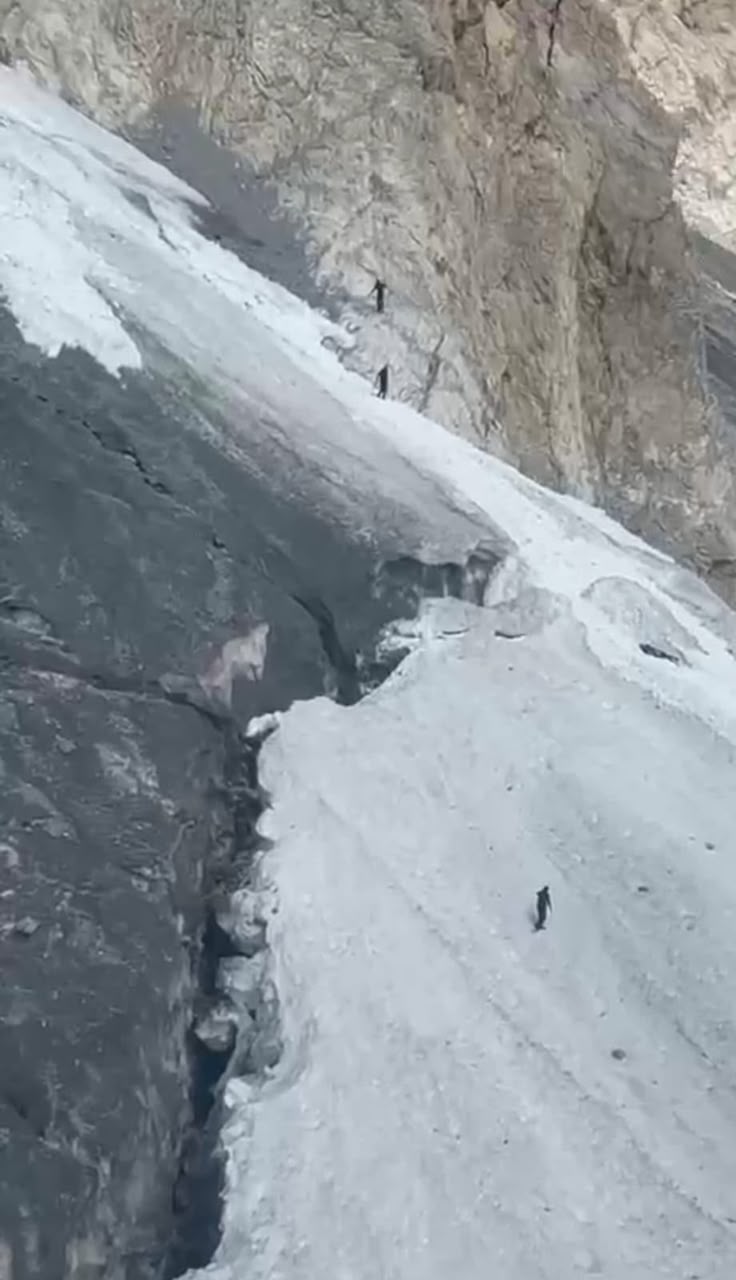
Since 1997, the committee has also been contracted by the Ministry of Culture, Tourism and Civil Aviation to construct and maintain the Khumbu Icefall Route, a hazardous section between Everest Base Camp and Camp II. A team of eight Icefall Doctors is deployed annually to manage the route during the spring climbing season.


 °C
.jpg)

Comment