

 °C
Xenia Santha becomes first Hungarian woman to summit Ama Dablam, helps save life of dying Dutch climber
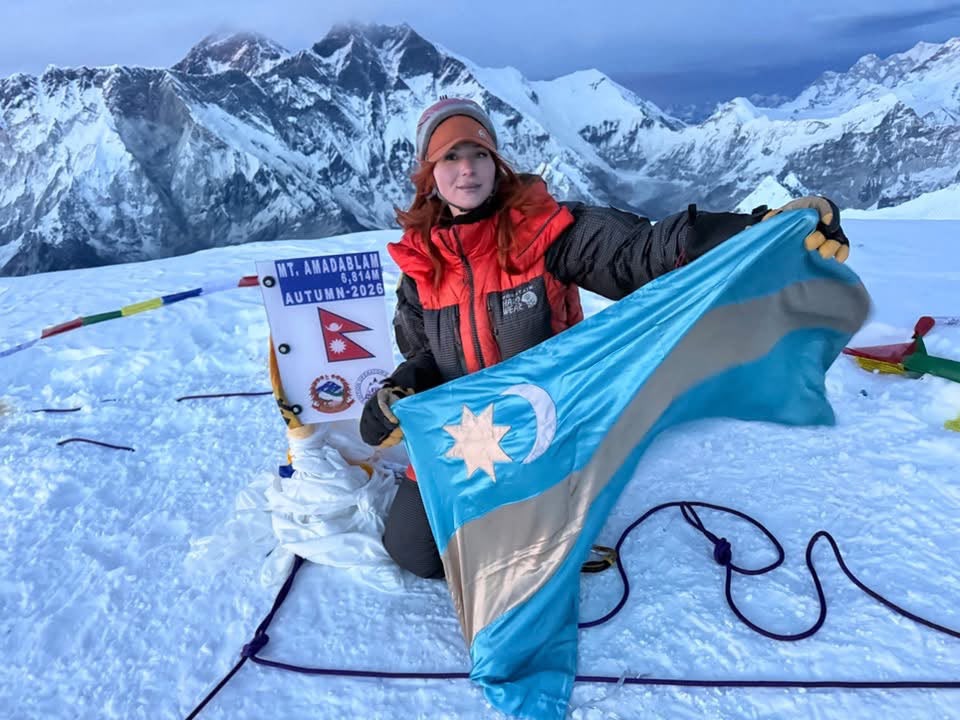
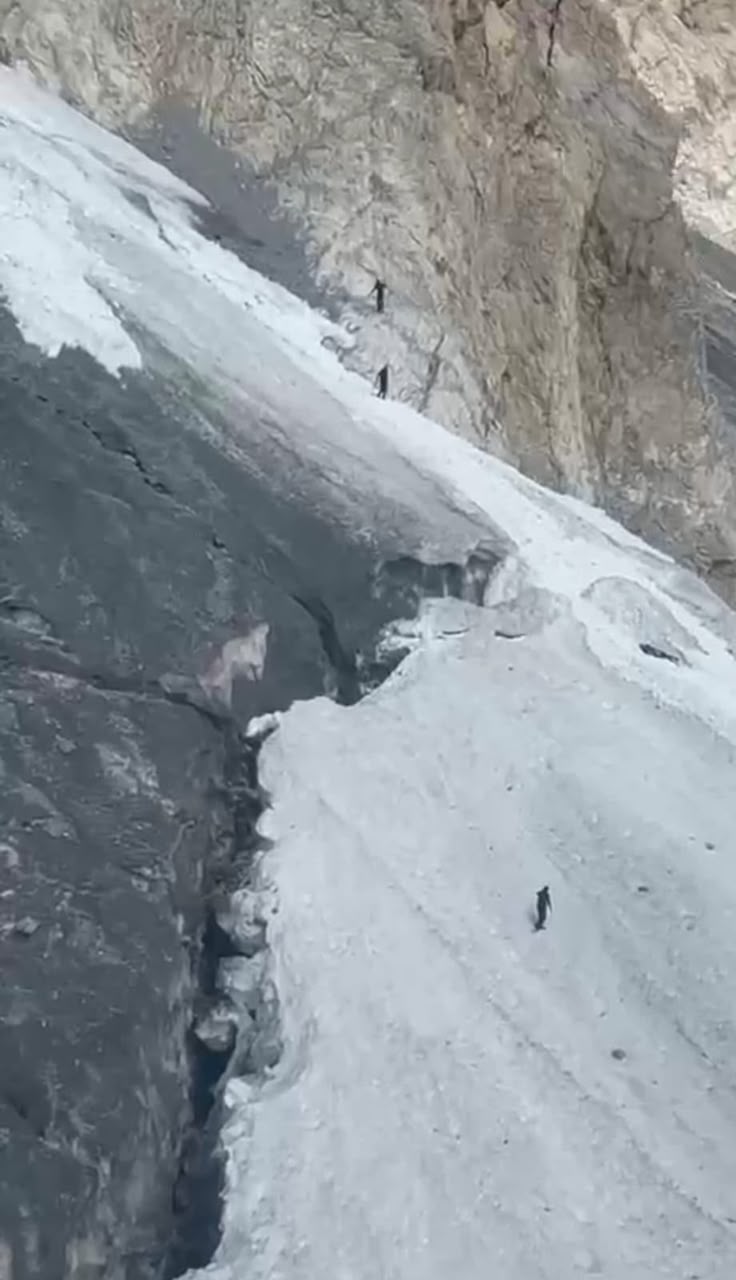
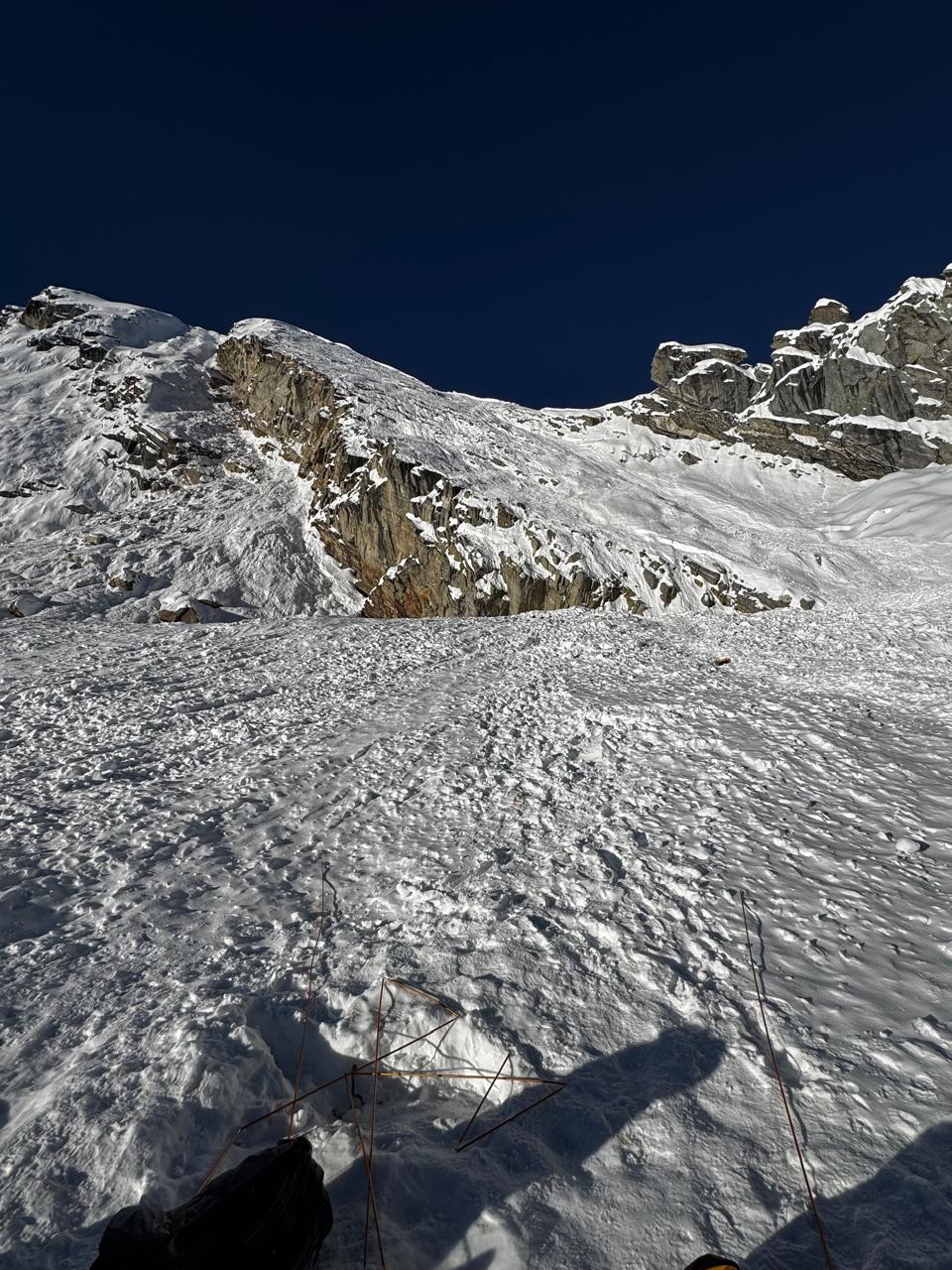
KATHMANDU: A Hungarian woman and her partner postponed their early summit plan after finding a dying Dutch climber on Ama Dablam on October 27.
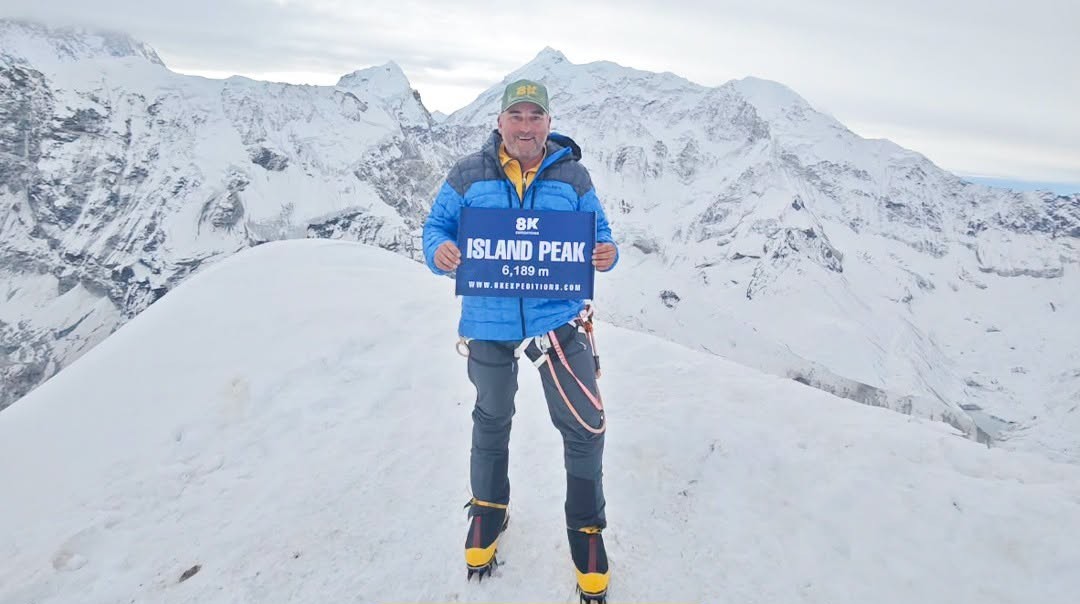
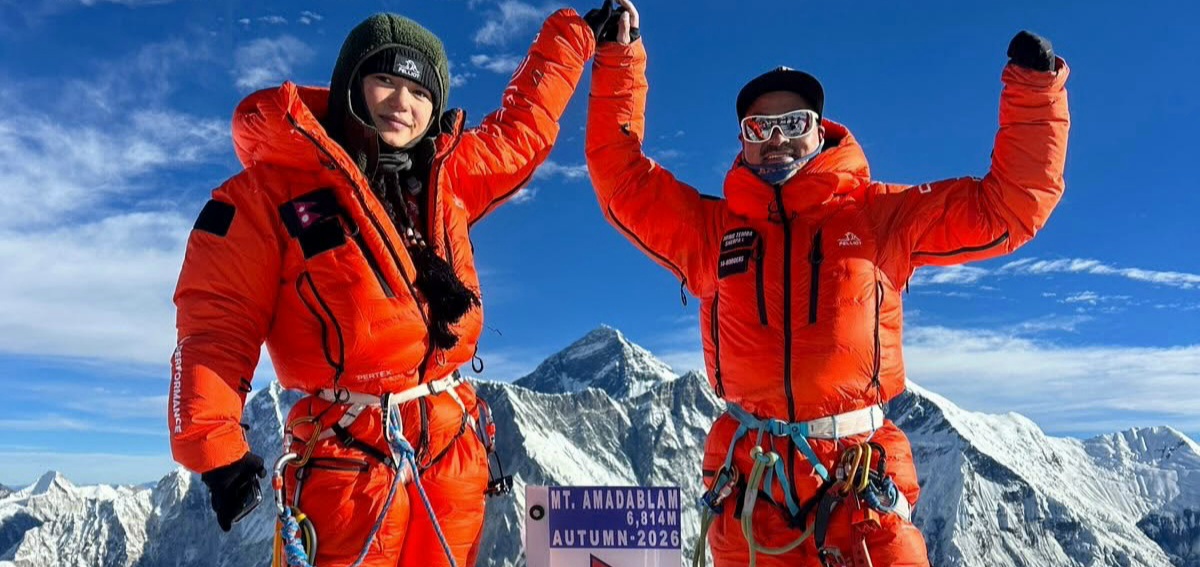
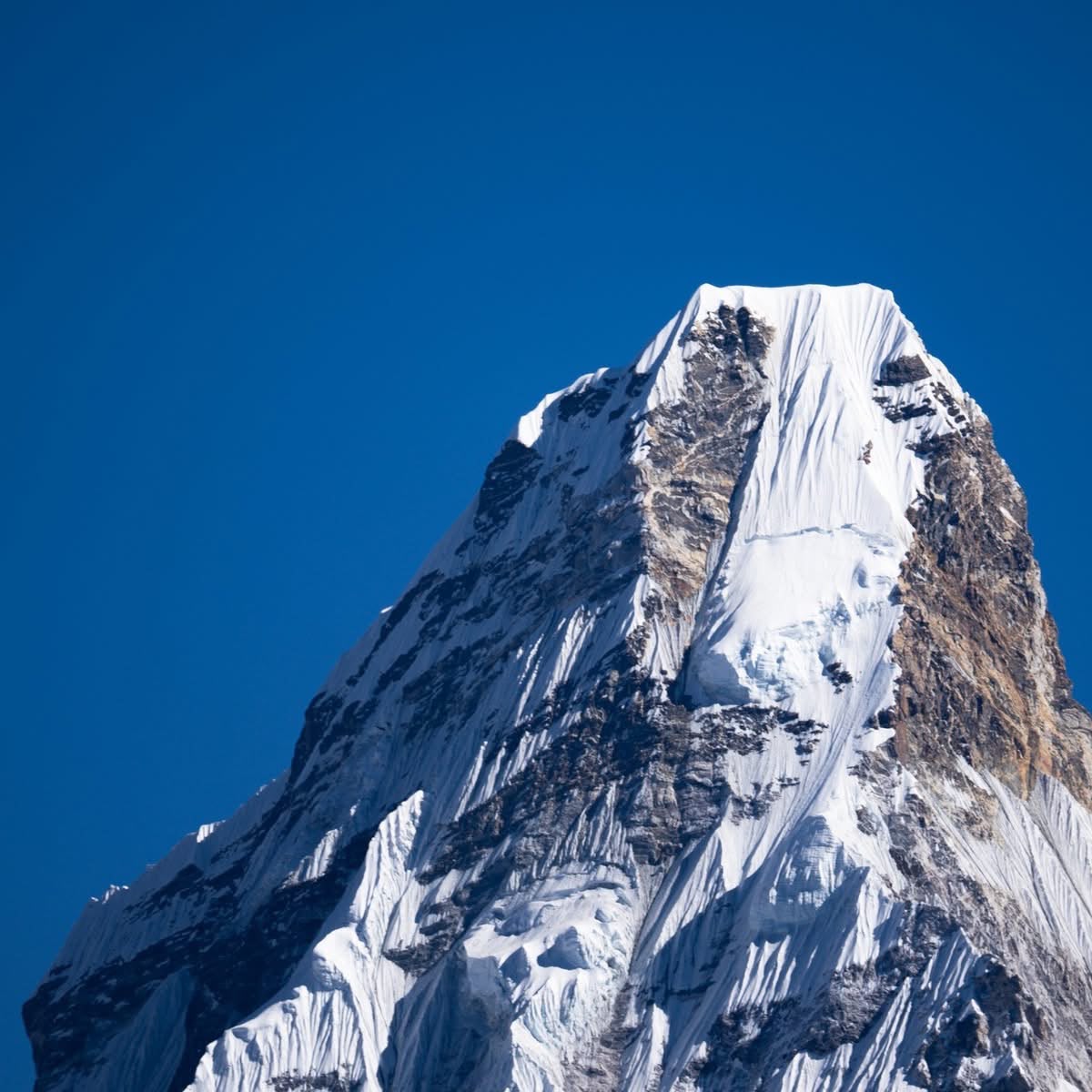
Xenia Santha, who on October 28 became the first woman from Hungary to summit Ama Dablam, said she and her partner, Paul Clarke, stayed awake overnight caring for Klaas Post, a 25-year-old Dutch climber who was in a life-or-death situation.
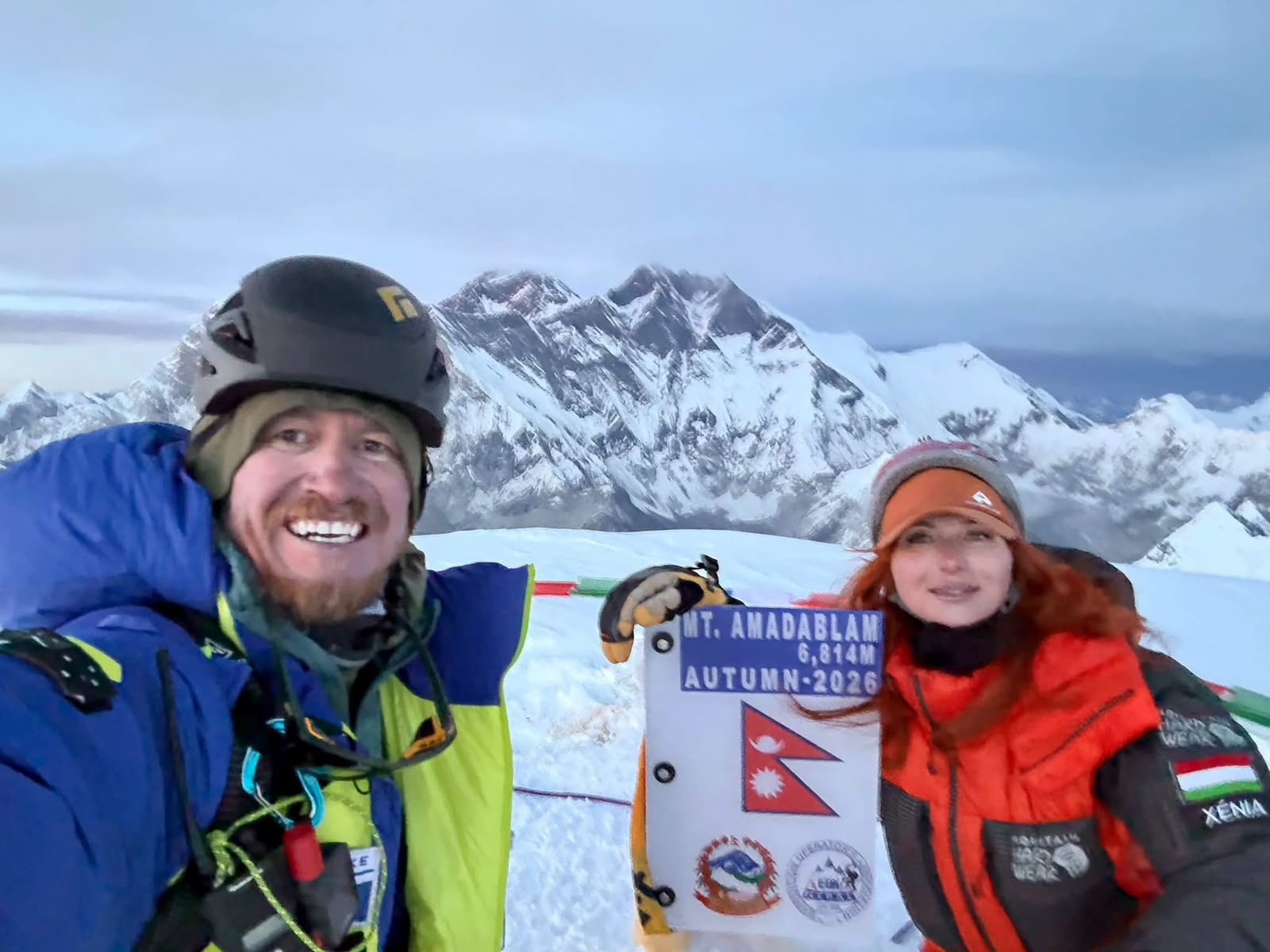
“On October 28, my partner Paul and I reached the summit of Ama Dablam at 17:18, without a guide or Sherpa—just the two of us,” Santha said. “We climbed without a sleeping bag and with little food, and it was a brutal night.”
The pair had originally set out with a completely different plan. “We had planned a ‘single push,’ but when we reached Camp II, we found a dying Dutch climber and decided to stay with him until the next morning,” she said. “On the night of October 27, for us, a person’s life became more important than the summit.”
Read More: Critically ill Dutch climber rescued safely from Camp II after Ama Dablam summit
According to Santha, the pair spent about three and a half hours trying to organize help while continuously monitoring the Dutch climber’s condition. “In the end, we made the decision: there would be no summit attempt that day. We all gave up on our own goals and stayed with him until many others had already left,” said Santha, who was part of an expedition organized by 8K Expeditions.
They contacted base camp and several expedition companies. “Our phone had barely any signal, but somehow we managed to make calls,” she said. “We had dexamethasone, but only in tablet form, which we couldn’t administer to the unconscious climber due to the risk of hypothermia and asphyxia.”
The pair kept up continuous monitoring: they checked Klaas’s pulse and breathing every few minutes, turned him onto his side when he coughed, and tried to keep him as safe as possible. “He didn’t recover all night,” she said.
Meanwhile, they managed to unlock his phone, find his mother’s contact information, and contact the base camp team and the insurance company. “They organized a helicopter rescue, which was expected around 6:30 a.m. the next day,” she added. But there was a major problem: they needed oxygen. Otherwise, he would certainly have died. Klaas was part of another expedition run by Makalu Adventure.
“We searched the entire tent for oxygen, in case we could find a bottle. When the helicopter finally arrived and took off with him, I was very emotional. I truly realized at that moment that maybe we had managed to save a person’s life with our combined efforts,” she said.
The Dutch climber was later taken to the hospital, where he is still undergoing treatment, but his condition is stable.
After Klaas was evacuated from Camp II, Santha and Clarke set off on their summit push again at around 8:30 a.m., without sleep, exhausted and in a state of complete disarray. “Incredibly, we finally reached the summit of Ama Dablam at 17:18 on October 28,” she said, describing it as a double success.
“Not only because we managed to summit in the last weather window before the approaching snowfall, but also because something much more important happened that night,” she said. “That day, we originally wanted to reach a peak. However, in the end, we got much more than that. Because the mountain waits. But human life does not.”

Comment