The Tourism Times | Breaking tourism-related news from Nepal and beyond
°C
Climbing
Mountaineering bodies call for systematic accident reporting to improve safety
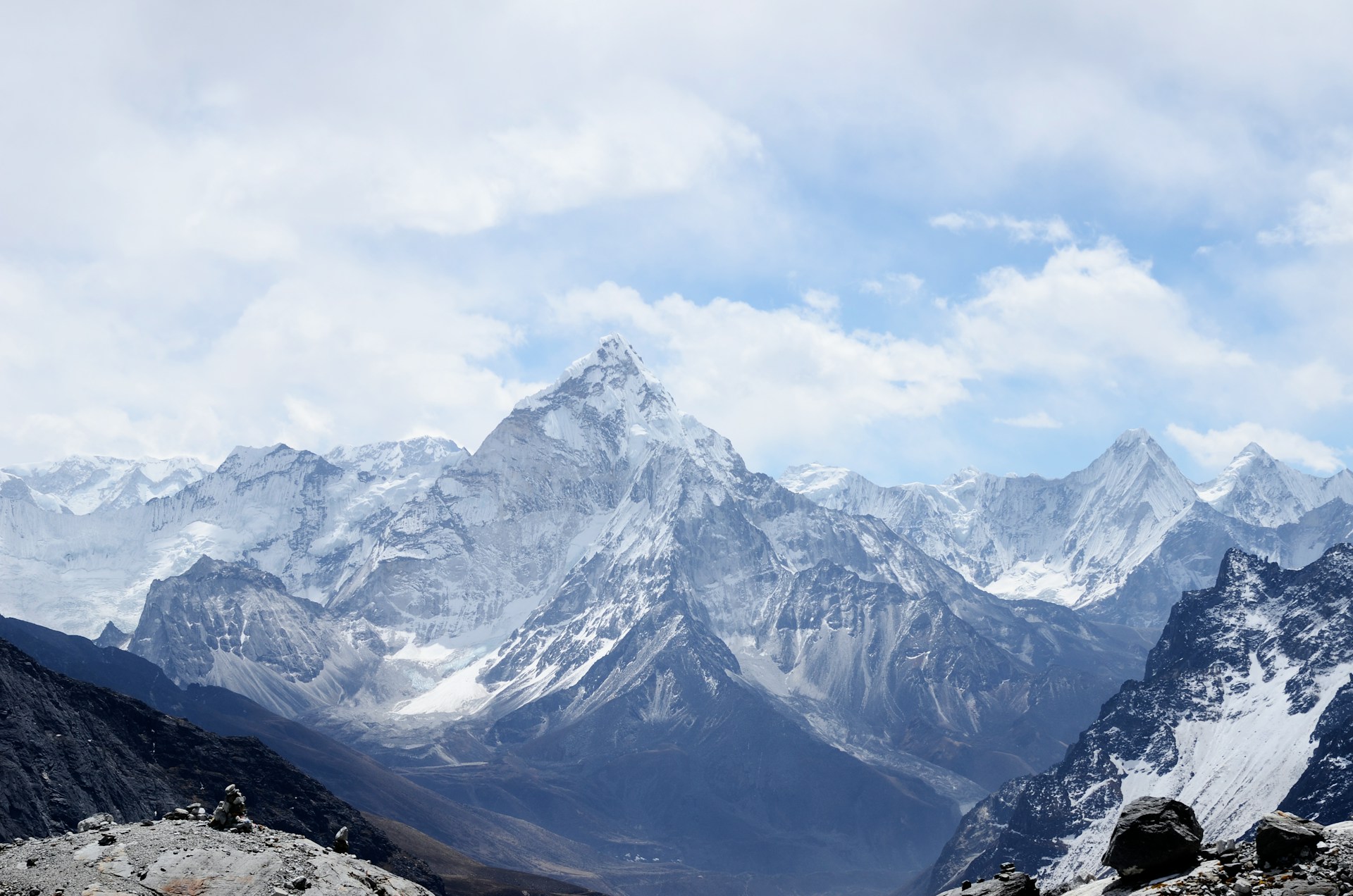
Photo by Rohit Tandon on Unsplash
By
Tourism Times
Published at : 22 Nov 2026, 3:09 PM
KATHMANDU: International mountaineering and mountain-rescue organisations have called for systematic reporting and analysis of climbing accidents and incidents, saying reliable data is essential to identify risks and improve safety in mountain sports.
The joint position paper was issued by the International Climbing and Mountaineering Federation (UIAA), International Commission for Alpine Rescue (ICAR) and International Federation of Mountain Guides Associations (IFMGA). The organisations said accidents often result from an interplay of factors, making their causes difficult to determine without detailed data and analysis.
The statement calls on national mountaineering federations, rescue services, professional guiding and tourism organisations, insurers, sports associations, instructors and guides to establish or support accident-reporting systems.
According to the organisations, accident data can help climbers improve skills and decision-making, instructors develop safer training, manufacturers improve equipment design, regulators establish safety standards, federations strengthen training programmes and guides better prepare for objective dangers. Insurers can also use such data to assess risks more accurately.
The organisations said reporting systems should be operated by national federations, rescue services or other organisations capable of maintaining them over the long term. Reports could be submitted voluntarily by people involved in accidents or witnesses, or collected through mandated systems.
Privacy and legal concerns
The position paper stresses that accident reporting should be based on accurate facts and analysed in an unbiased and non-judgmental manner. It recommends protecting the anonymity of victims and observers, particularly in self-reporting systems, to build trust and encourage people to share information.
The organisations also warned that concerns about litigation, prosecution, public criticism or insurance liability could discourage people from reporting accidents and prevent investigators from identifying their root causes.
They said reporting systems should comply with national laws while using measures such as anonymity, waivers and separation of public and sensitive information where necessary to ensure that useful safety data remains available.
The statement makes clear that accident reporting is intended to improve safety rather than determine blame or replace independent investigations into negligence or criminal acts.
The organisations also called accident reporting and data sharing a moral obligation for the mountain-sports community, saying information on accidents and near misses should be systematically collected, analysed and shared.
The UIAA said it would provide further guidance on designing accident-reporting systems, including data models, user interfaces, methods of communicating findings and examples of existing systems.
The position paper, dated September 2026, was signed by UIAA President Peter Muir, ICAR President Gebhard Barbisch and IFMGA President Urs Wellauer.


 °C

Comment