Climbing

From Pokhara's first regular int'l flights to digital mountaineering permits: Govt lists 100-day tourism achievements
From
By Tourism Times
Published at : 5 Jul 2026, 9:22 PM

KATHMANDU: The government has listed a string of tourism and civil aviation achievements from the first 100 days in office, under Prime Minister Balendra Shah's administration, ranging from the approval of flydubai's regular flight schedule from Pokhara International Airport to the digitisation of mountaineering permit services and the launch of a national health tourism strategy — outlining what it describes as a period of significant policy and operational reform for the sector.

The achievements were made public by government spokesperson and Education and Sports Minister Sasmit Pokhrel at a press conference held on Saturday, based on a 100-point governance reform agenda the government has been implementing since coming to power on Chaitra 13.

Pokhara finally gets regular international flights

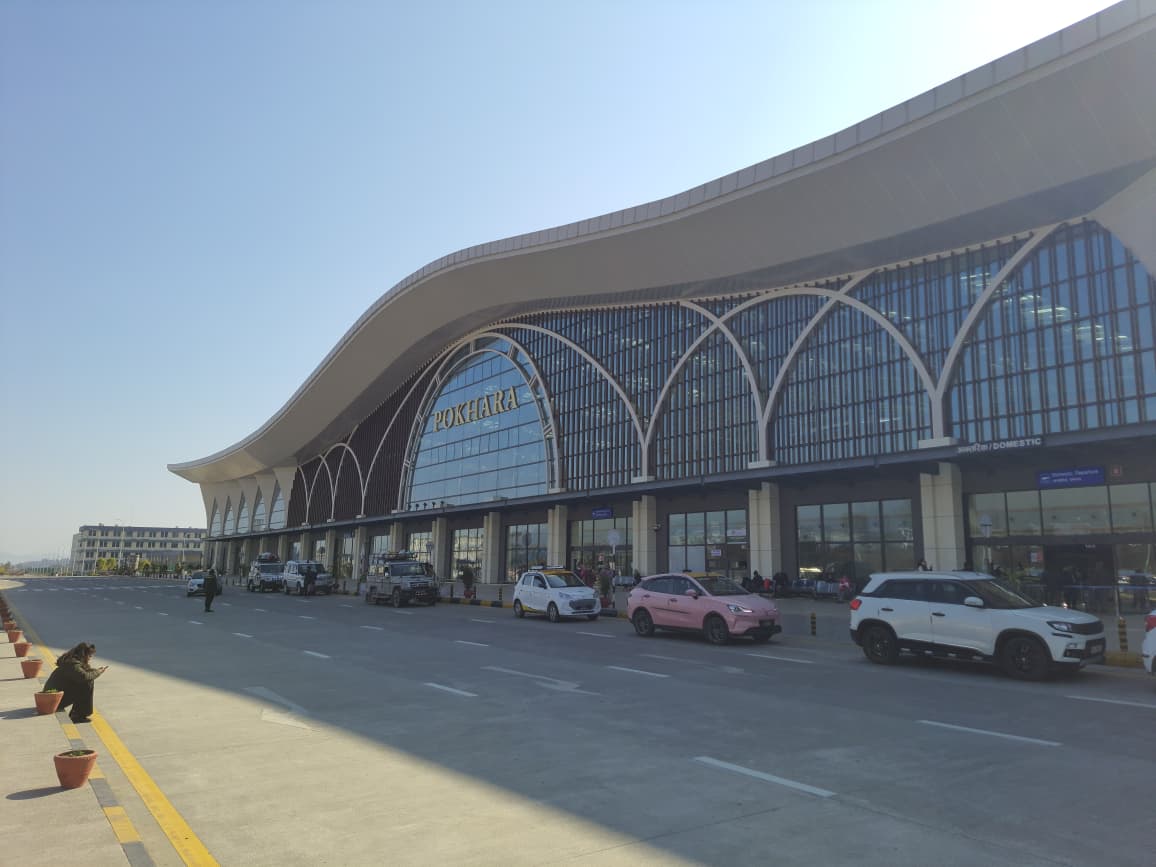
In one of the most significant civil aviation developments, flydubai's Summer and Winter season flight schedules have been formally approved for Pokhara International Airport, paving the way for regular international commercial flights from the airport beginning September 2026. The airport, which opened in January 2023 and has struggled to attract regular international services despite being Nepal's third international gateway, will operate the Pokhara-Dubai direct route — connecting the tourist city to one of the world's busiest aviation hubs and, through flydubai's code-share arrangement with Emirates, to more than 300 cities globally.

Online ticketing and digital permits

All aviation companies operating in Nepal have now established online ticket selling systems, the government said, with the ticketing process described as having become digital, predictable and transparent and easily accessible to passengers. The government said the system has streamlined ticket purchasing for ordinary citizens across the country.

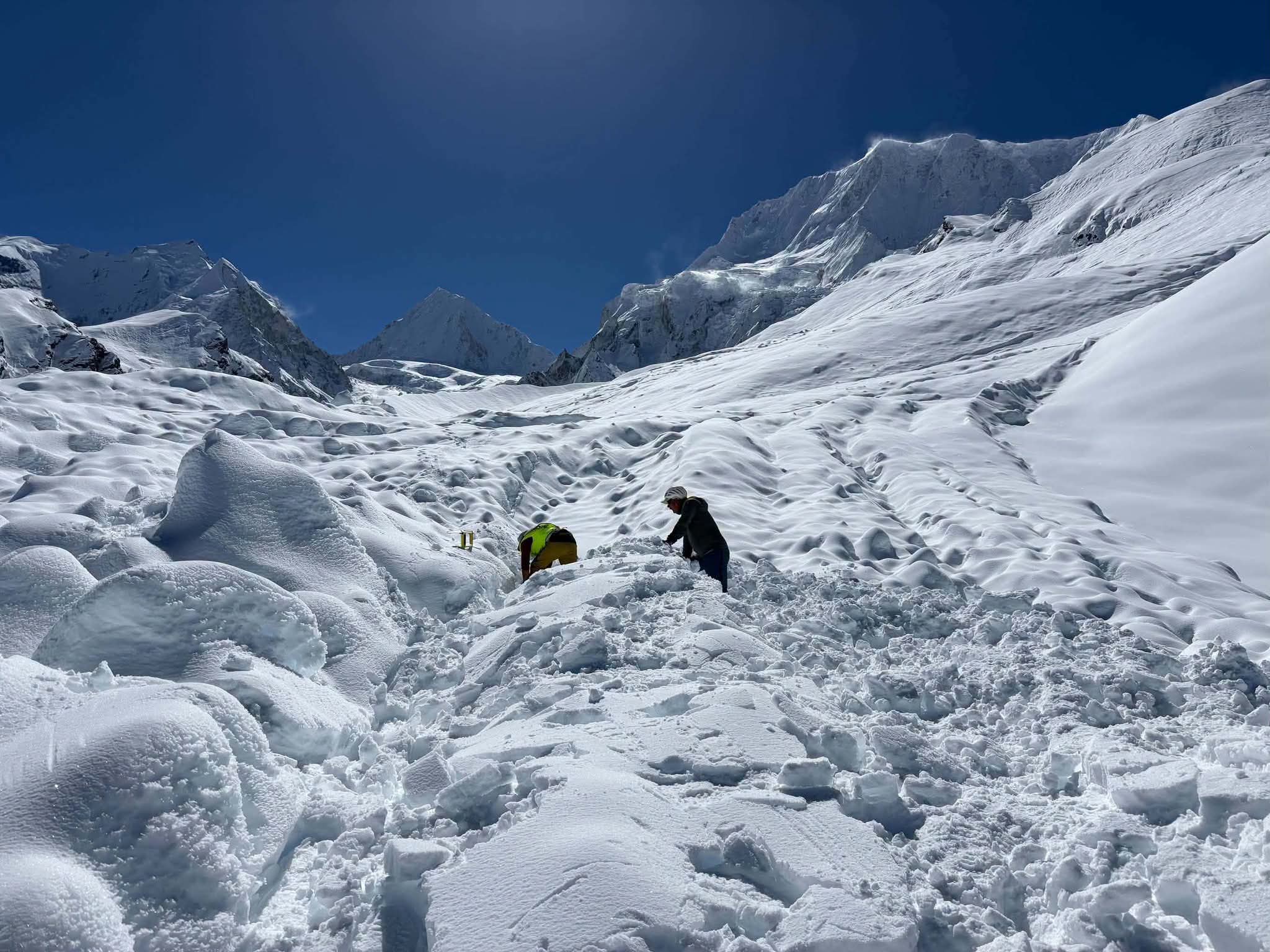
In the mountaineering sector, the government said the full range of services related to mountaineering permits — including applications, revenue collection, permit certificates, debriefing reports and related documents — has begun transitioning to digital delivery, with hotels, casinos and the majority of other tourism services also starting to process services through digital platforms.

Wellness tourism strategy launched

Nepal has launched a National Wellness Tourism Strategy covering 2026 to 2035, along with a related action plan for 2026 to 2030, the government said. The strategy, which Nepal has also promoted at the United Nations General Assembly in connection with World Health Day on April 15, sets a target of ensuring that 11 percent of total international tourist arrivals are wellness tourists by 2030, while maintaining a satisfaction index of 5.470 and establishing five major integrated wellness centres across the country.

Tourism institute merger and new feasibility studies

The Nepal Tourism and Hotel Management Institute and the Nepal Mountain Training Institute have been merged into a unified institution following a Cabinet decision taken on Baisakh 2, 2083. The formation order for the unified Hotel Tourism, Hotel Development and Mountain Training Committee was approved in 2082, and the merger has since been formalised.

Feasibility study reports have also been prepared for organised tourism development in several new areas, including the Koshi River corridor in Udaypur, Ramaroshan in Achham, Badimalika in Bajura, the Api Himal Trekking Route, and the Dodi Himal Trekking Route — pointing to the government's intention to open new trekking and tourism corridors beyond the established Everest and Annapurna circuits.

Connectivity for remote provinces

To improve air connectivity for citizens of Karnali and Sudurpaschim — two of Nepal's most remote and underserved provinces — the government has added flights from Nepalgunj, Surkhet and Dhangadhi airports, with a total of three additional flights now operating to Lumbini and two electric buses introduced to support ground connectivity in the region.

The Ramjankali Temple area has also been declared a protected monument zone, with boundary marking work now in its final phase, the government said.


Comment