Climbing

Broad Peak tragedy: Public appeal to Nepal government

Broad
By Rishi Bhandari
Published at : 1 Aug 2026, 1:18 PM

We wish to reiterate, in the clearest possible terms, that if Nepal is to achieve sustainable economic growth and long-term prosperity, tourism remains its strongest and most viable foundation. Many nations around the world have attained economic advancement through the prudent utilization of their natural resources, minerals, industries, and other national assets. In Nepal's context, however, our current economic and technological capacity does not yet permit the immediate large-scale extraction and commercialization of minerals, petroleum, or other natural resources. Tourism, on the other hand, is a sector in which the State can generate substantial economic benefits by ensuring effective policies, adequate infrastructure, security, and diplomatic support.

Nepal is uniquely blessed with extraordinary natural wealth. Our mountains, hills, rivers, and pristine landscapes form the country's identity before the world. Mountain tourism, in particular, has witnessed remarkable international growth in recent years and possesses immense potential to become the backbone of Nepal's economy.

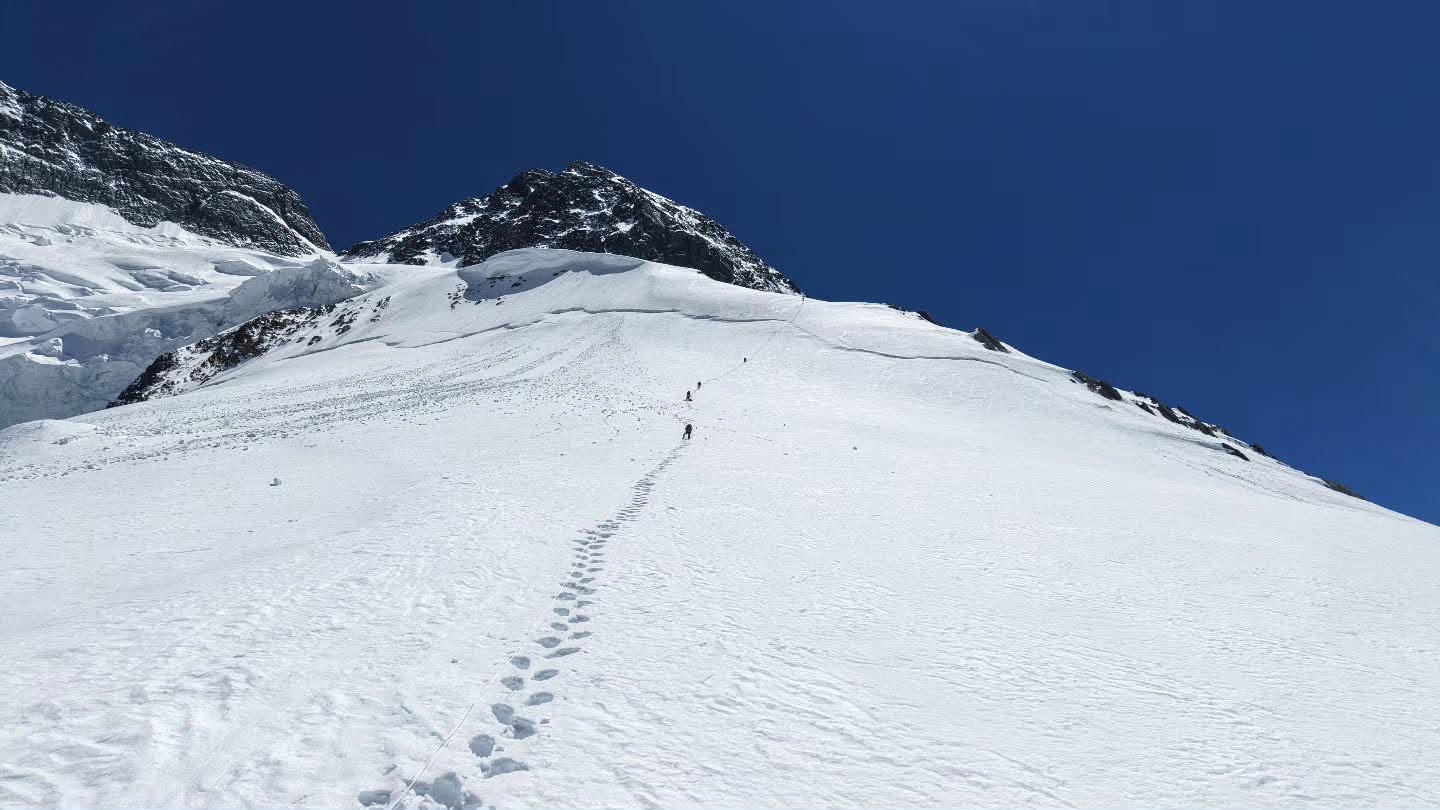
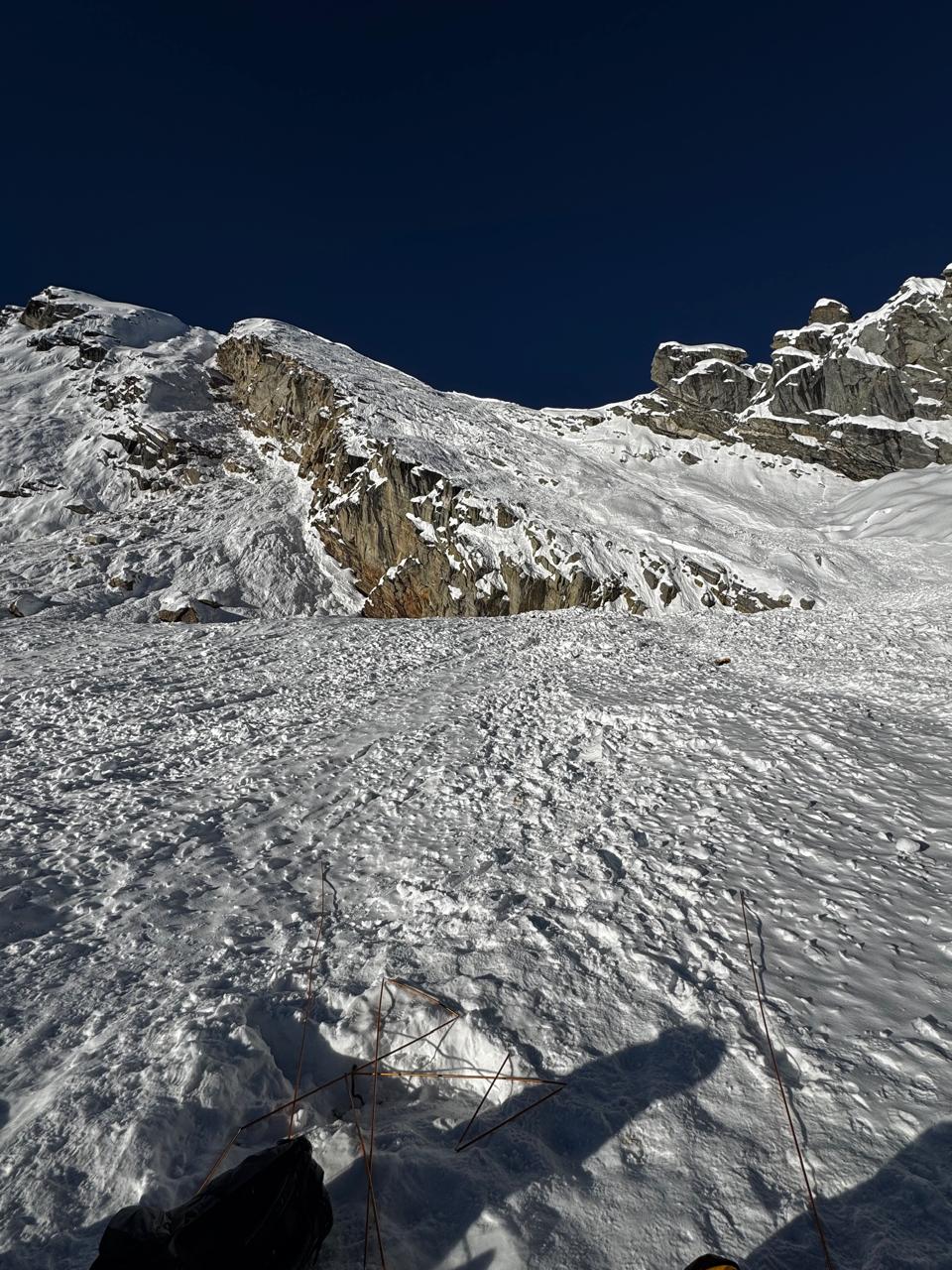
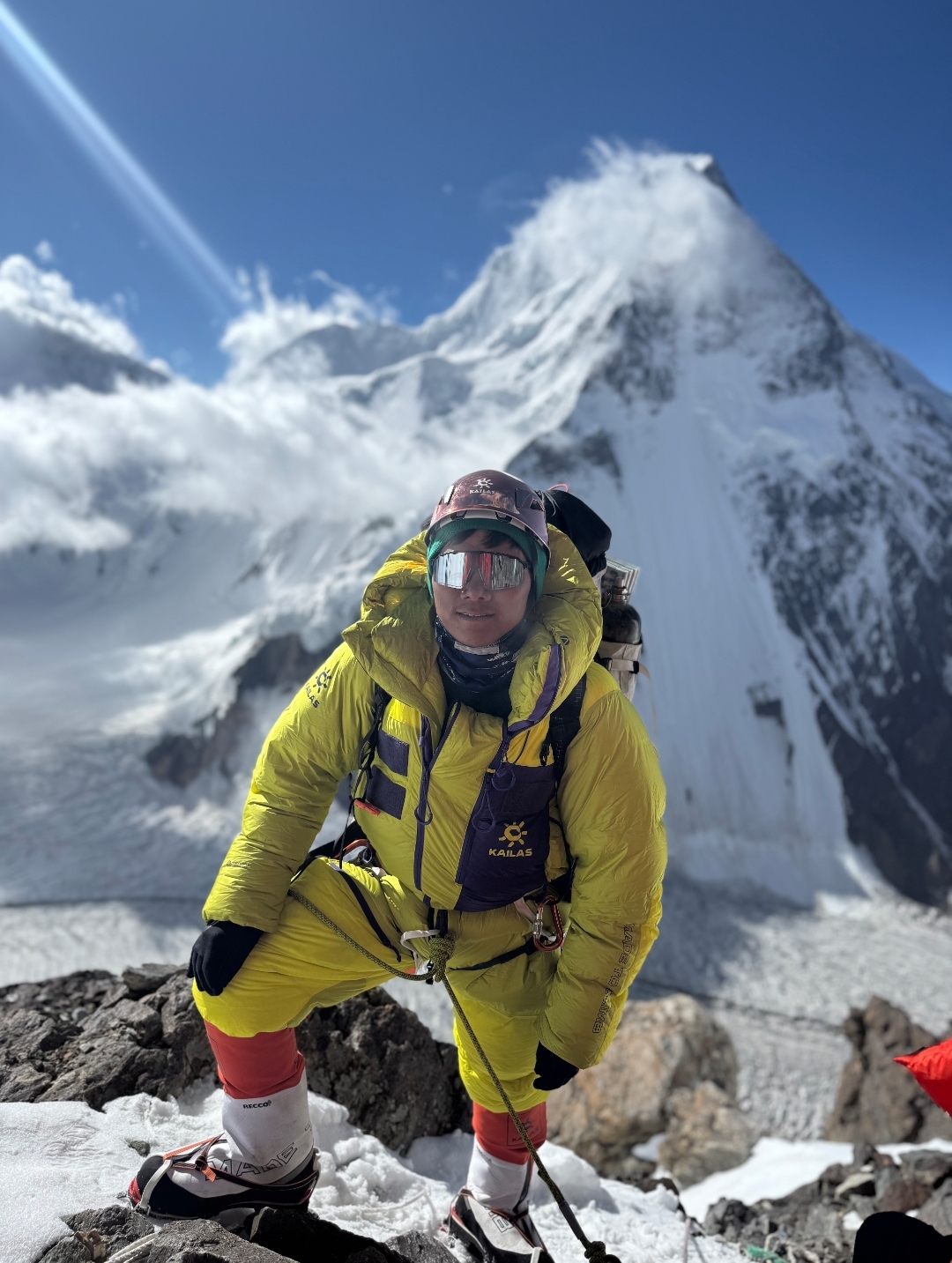
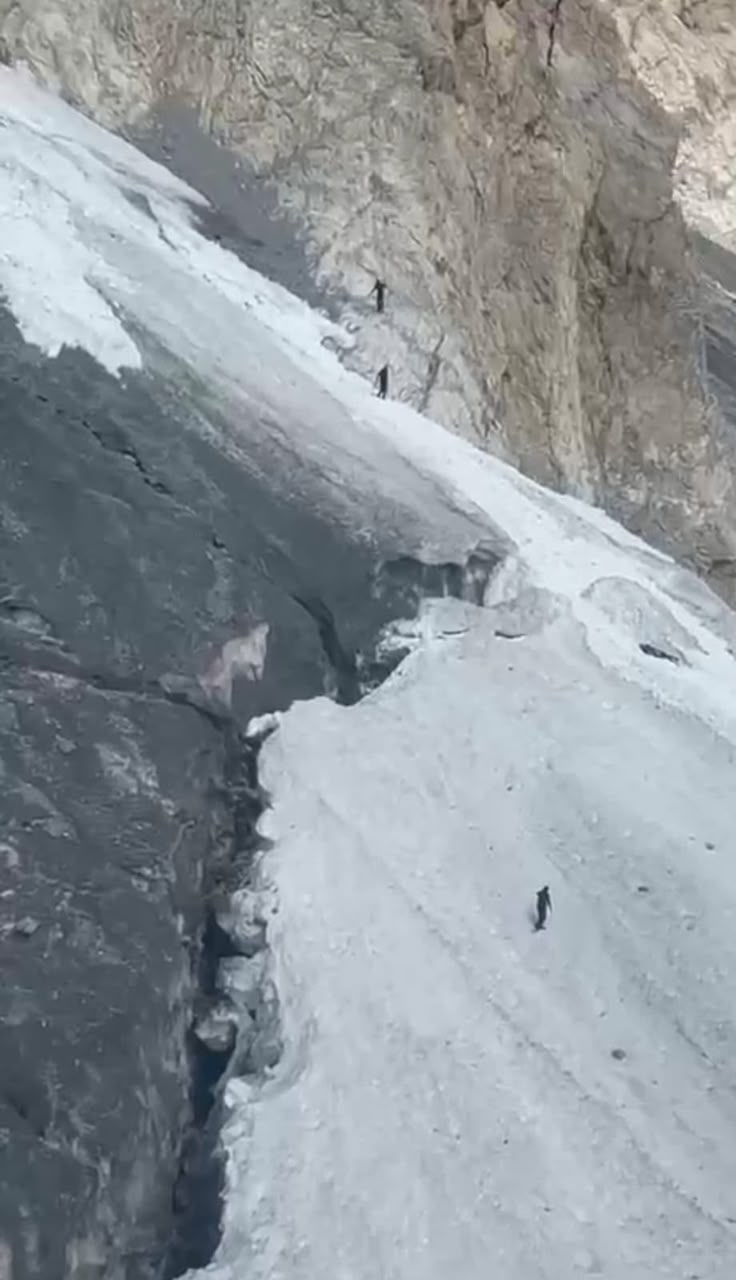
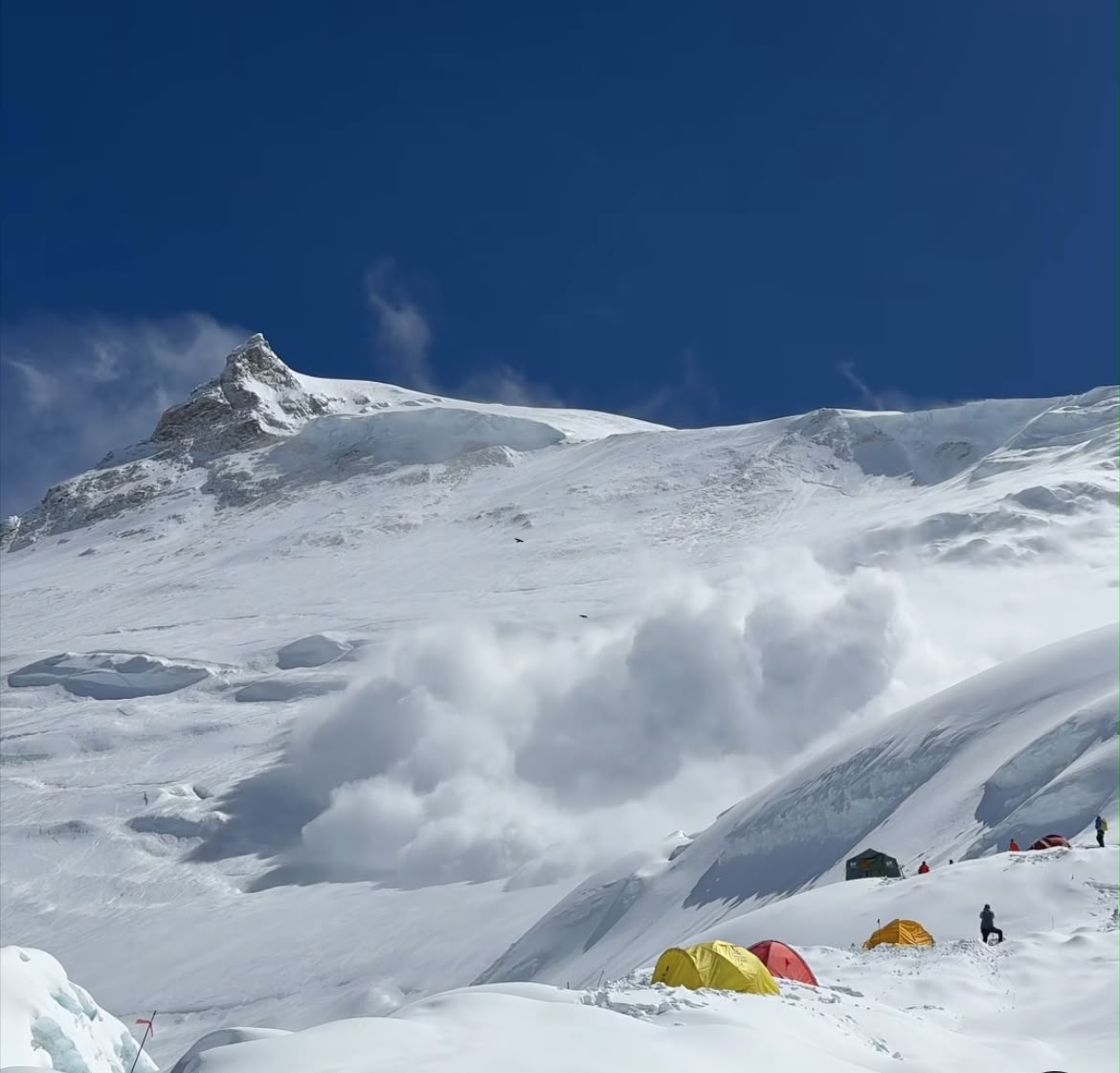
At such a critical time, when internationally renowned climbers and Nepali citizens—individuals who have dedicated their lives, expertise, hard work, reputation, and invaluable contributions to the advancement of Nepal's mountaineering and tourism sector—have become victims of an avalanche on foreign soil, the Government of Nepal's diplomatic capability, rescue coordination, and constitutional responsibility toward its citizens are being put to a true test. Unfortunately, the response witnessed thus far has fallen short of the level of initiative, coordination, and urgency expected from the State.

The Constitution of Nepal guarantees every citizen the fundamental rights to life, security, equal treatment, and protection by the State. The Government's constitutional responsibility cannot vary based on an individual's status, influence, or financial standing. From the Prime Minister to an ordinary citizen, every Nepali deserves equal protection under the Constitution. It is precisely during times of crisis that these constitutional obligations must be demonstrated through decisive action.

Despite the willingness and preparedness of Nepal's private sector and tourism entrepreneurs to mobilize internationally recognized Nepali rescue pilots, rescue teams, and necessary aviation resources through their own initiatives, the failure to secure timely diplomatic coordination, official authorization, and institutional facilitation reflects a serious institutional weakness within the State mechanism. Such circumstances raise significant concerns regarding the Government of Nepal's diplomatic responsiveness, coordination capacity, and decision-making process in safeguarding its citizens during international emergencies. In times of crisis, it is the State—not the private sector—that is expected to lead with decisive and effective action. Regrettably, the current situation presents the opposite picture.

Therefore, we respectfully yet firmly urge the Government of Nepal, the Right Honourable Prime Minister, the Ministry of Culture, Tourism and Civil Aviation, the Ministry of Foreign Affairs, and the concerned Nepali diplomatic missions to take the following immediate actions:

Initiate high-level diplomatic coordination without delay with the Government of Pakistan, its Ministry of Foreign Affairs, security agencies, and all relevant authorities.

Mobilize all available international rescue experts, experienced mountaineers, local rescue teams, and every available resource necessary to expedite and strengthen the ongoing search and rescue operation.

If required, undertake all necessary diplomatic and administrative initiatives to deploy Nepali helicopters, world-renowned Nepali rescue pilots, and technical rescue capabilities, including Long Line Rescue, wherever operationally feasible.

Regardless of whether the affected Nepali citizens are found alive or deceased, ensure that verified official information regarding their status is communicated promptly, and that every necessary measure is undertaken to repatriate them to Nepal with dignity and respect.

If necessary, mobilize Nepal Airlines and all available State resources to demonstrate, through concrete action, the Government's constitutional responsibility toward its citizens.

This appeal is not intended as political criticism. Rather, it represents the collective voice of Nepal's citizens and tourism community, reminding the State of its constitutional obligation toward its people. The manner in which the Government responds today will not only determine public confidence at home but will also significantly influence the international community's trust in Nepal's mountaineering industry and the country's global reputation.  We therefore earnestly request the Right Honourable Prime Minister, the Ministry of Culture, Tourism and Civil Aviation, the Ministry of Foreign Affairs, and all concerned authorities to treat this matter not as an ordinary incident but as a matter of national responsibility. Tourism represents Nepal's future, and protecting the lives, dignity, and welfare of those who form the backbone of Nepal's mountaineering and tourism industry must remain the State's foremost responsibility.

Bhandari is the General Secretary of Expedition Operators Association of Nepal (EOAN) and Former Member, Board of Directors Nepal Tourism Board


Comment