The Tourism Times | Breaking tourism-related news from Nepal and beyond
°C
Aviation
12 years on, EU blacklist on Nepal aviation remains
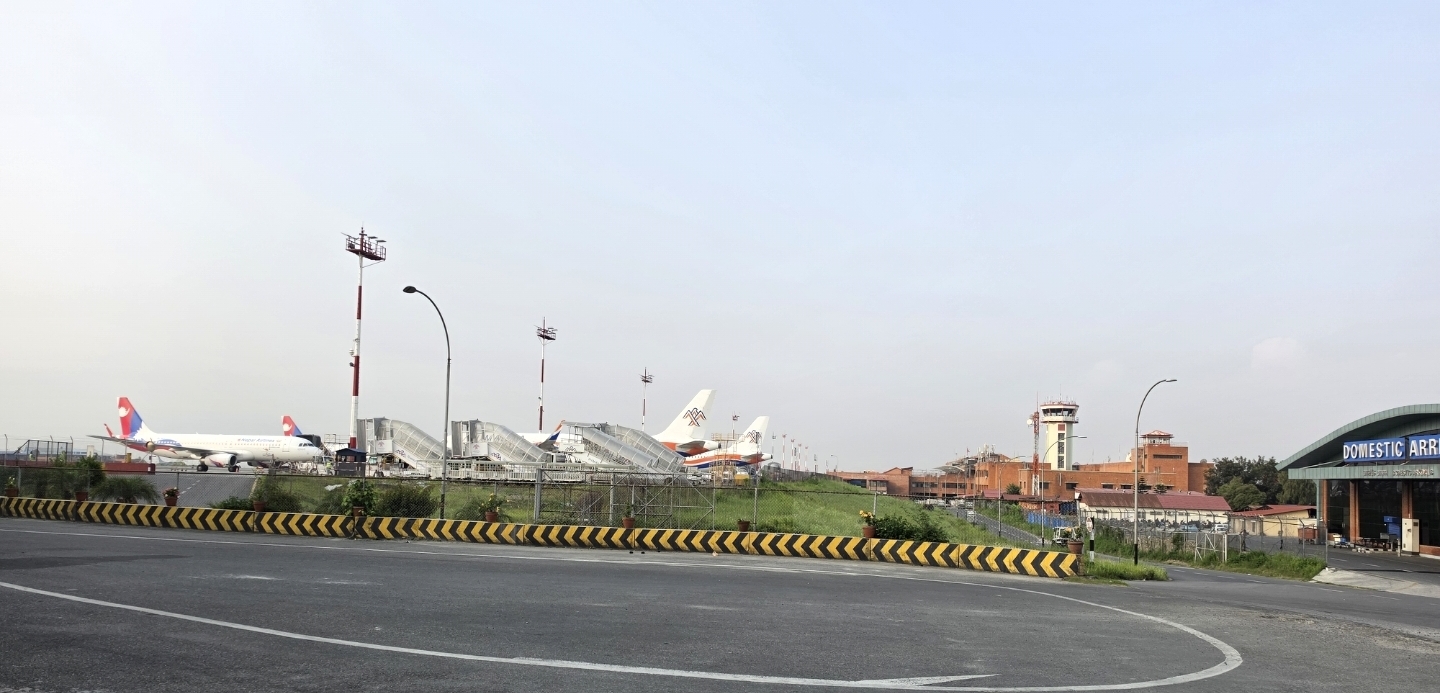
Photo Courtesy: European Union
By
Tourism Times
Published at : 4 Jun 2025, 12:00 AM
KATHMANDU: Nepal’s aviation sector continues to face restrictions in Europe as the European Commission (EC) has once again extended its ban on all Nepali airlines from operating in EU airspace—a prohibition now in place for 12 consecutive years since 2013.
The latest update, published in the EU Safety List on June 3, 2025, by the European Union Aviation Safety Agency (EASA), cites continuing safety concerns and lack of progress in Nepal’s civil aviation regulatory framework as the main reasons behind the prolonged ban. All air carriers certified by the Civil Aviation Authority of Nepal (CAAN) remain barred from entering the 28-nation bloc.
Despite the International Civil Aviation Organization (ICAO) lifting its safety-related ban on Nepali airlines back in July 2017, the EU has maintained its position. The EC continues to demand structural reforms, including the separation of CAAN’s regulatory and operational functions.
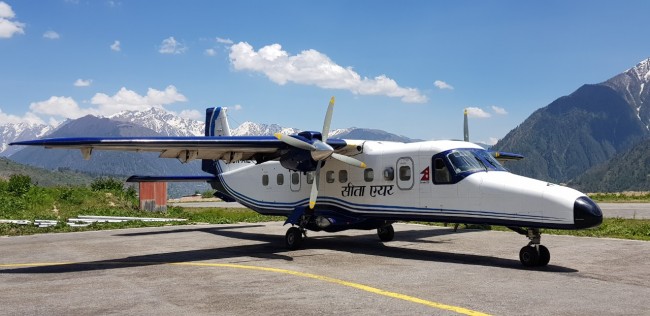
The blacklist affects both scheduled and non-scheduled flights, including any potential charter or repatriation flights to Europe. The ban applies to major Nepali airlines such as Nepal Airlines, Buddha Air, Himalaya Airlines, Yeti Airlines, Tara Air, and Shree Airlines, as well as multiple helicopter operators. Only wet-leased aircraft from non-banned countries are permitted to operate EU-bound flights under Nepali airline branding.
This prolonged restriction has significantly hindered Nepal’s tourism sector, particularly in tapping into the lucrative European market. The inability to operate direct flights has not only reduced air connectivity and convenience for European travellers but also discouraged potential tourism partnerships and investments from the region.
Industry observers and tourism stakeholders argue that improved regulatory compliance, strengthened safety oversight, and political will are essential to unlocking Nepal’s aviation potential and enhancing its global tourism appeal.
Until reforms are implemented and oversight credibility is restored, Nepali airlines will remain grounded from the EU skies—an issue with growing implications for Visit Nepal campaigns and tourism revival efforts post-pandemic.


 °C
°C 










Comment